
Convict: definition, legal status, history, and social issues
A convict is a person found guilty of a crime and sentenced. This article explains legal meanings, distinctions from other statuses, historical practices such as transportation, and modern issues like rehabilitation and reentry.
Overview
A convict is a person formally found guilty of a criminal offense by a court and given a sentence that commonly includes imprisonment. The label often applies while the sentence is being served; after release the person may be described as an ex-convict or "ex-con." The term is sometimes shortened colloquially to "con." In everyday and legal usage it is important to distinguish a convicted person from someone accused but not yet tried.
Image gallery
3 Images

Legal meaning and distinctions
Conviction follows a criminal process in which guilt must be established according to applicable law. A conviction can lead to different sentences: incarceration in a prison facility, probation, fines, community service, or other penalties. People who are convicted but receive non-custodial sentences are not always called "convicts" in common speech. Related designations include prisoner (someone held in custody), detainee (often held before trial), and felon (a term used in some jurisdictions for those convicted of serious crimes).
Historical practices: transportation and penal colonies
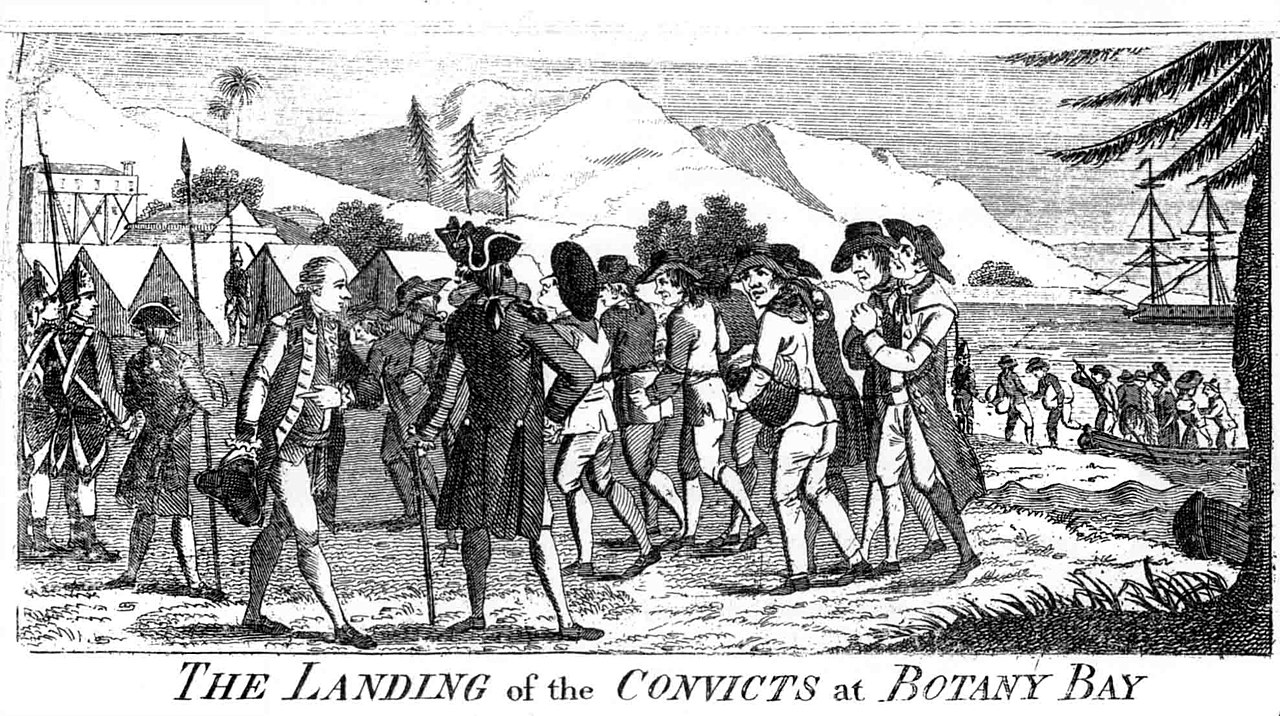
Historically, some states used transportation to remove convicts from the home country and employ them as laborers in distant colonies. From the 17th to the 19th centuries Britain sent convicts to North American colonies and, after the American Revolution, to Australia beginning in 1788 as part of colonial settlement. Transportation to Australia ended in the mid-19th century. Other European powers established penal settlements elsewhere: France used sites in French Guiana and New Caledonia, and the Russian Empire sent many prisoners to Siberia. Such systems combined punishment, labor, and colonization and have influenced debates about penal policy and human rights.
Modern systems, purposes, and practices
Today, incarceration remains a common sentence, but criminal justice systems increasingly consider goals beyond punishment: public safety, deterrence, rehabilitation, and restitution. Modern prison regimes range from maximum-security confinement to facilities focused on education, vocational training, and substance-abuse treatment. Alternatives to imprisonment—community corrections, restorative justice programs, and electronic monitoring—are used to reduce prison populations and support reintegration.
Reentry, rights, and social issues
Convicts leaving custody face legal and social challenges: restrictions on voting or employment in some places, stigma, and barriers to housing and services. Programs that support education, job training, and stable housing are associated with lower rates of reoffending. Debates over record sealing, expungement, and collateral consequences focus on how societies balance accountability with second chances. Prison reform advocates emphasize humane conditions and opportunities for rehabilitation as crucial to reducing crime and supporting communities.
Notable distinctions and facts
- Being convicted is a legal status that follows due process; being accused is not.
- "Prisoner" usually refers to physical custody, while "convict" emphasizes the underlying conviction and sentence.
- Penal transportation and colonies were once widespread but have largely been abandoned in favor of domestic incarceration and alternative sanctions.
Further reading and resources
- Definitions and legal framework for criminal conviction
- Sentencing principles and types of sentences
- Court procedures and conviction processes
- The conviction stage in criminal law
- Prisoner status and custody
- Modern prison systems and facility types
- History of penal colonies and transportation
- Convict labor in colonial North America
- Effects of political change on transportation to colonies
- Transportation to Australia and colonial settlement
- Early European settlement and penal policy
- European colonial contexts for penal transportation
- The end of penal transportation to Australia
- Convicts in Canada and other destinations
- Transportation to imperial holdings such as India
- French penal colonies and their administration
- Penal settlements in French Guiana
- New Caledonia as a historical penal site
- Russian use of Siberia for exile and punishment
- Siberian exile and its role in punishment systems
Author
AlegsaOnline.com Convict: definition, legal status, history, and social issues Leandro Alegsa
URL: https://en.alegsaonline.com/art/22847