
Siberia: geography, climate, history, and human settlement
Siberia is the vast Asian portion of Russia, stretching from the Urals to the Pacific. This article summarizes its geography, climate, people, economy, environment, history and major cities.
Overview
Siberia denotes the enormous region of the Russian Federation that lies in Asia. It stretches roughly from the Ural Mountains in the west to the Pacific Ocean in the east, and from the Arctic coast to the borders with China, Mongolia and Kazakhstan. The term is used in both geographic and administrative senses and includes a wide variety of landscapes and climates. Because of its size and diversity the region is commonly divided into western and eastern parts, with the Yenisei River often cited as a convenient east–west marker.
Image gallery
10 Images




Geography, rivers and permafrost
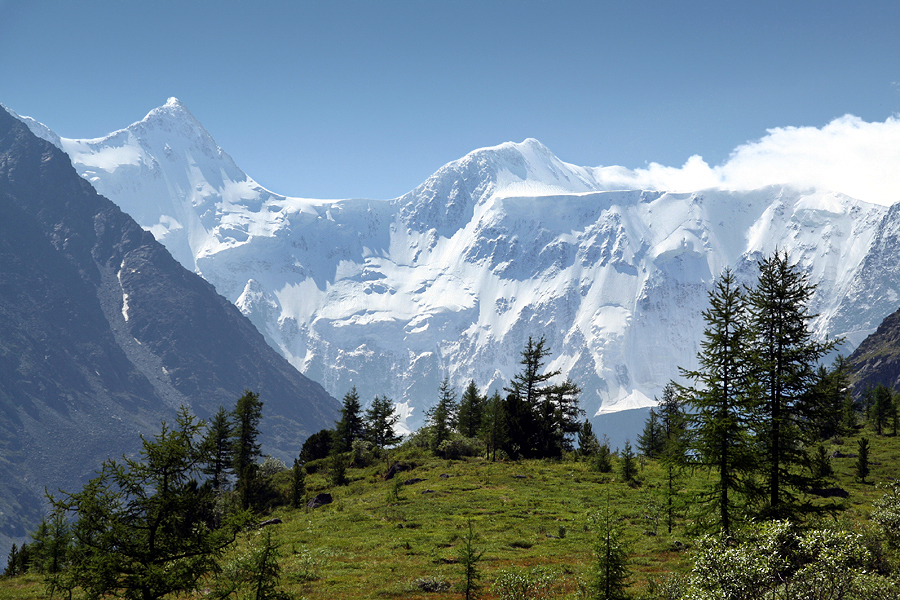
The landforms of Siberia include Arctic tundra along the northern shore, the vast boreal forests (taiga) that form one of the world's largest forest belts, extensive wetlands, mountain ranges and steppe in the south. Major rivers such as the Ob, Yenisei and Lena flow northward to the Arctic Ocean and have historically determined patterns of transport and settlement. Much of the territory is underlain by permafrost; in many areas the active layer thaws each summer while deeper ground remains frozen year-round, a condition that influences hydrology, vegetation and human infrastructure.
Climate
Siberia is known for its continental climate: winters are long and very cold in the interior, while summers can be short and warm, especially in southern regions. Coastal areas of the Arctic and the Pacific have moderated conditions and different seasonal patterns. The region contains some of the coldest permanently inhabited places on Earth, and climate variability, including warming trends, is an important factor affecting ecosystems and human activity.
Flora, fauna and ecosystems
The taiga biome covers much of central Siberia and supports coniferous forests of pine, spruce and larch. Northern tundra supports low-growing shrubs, mosses and lichens. Siberia is home to a range of wildlife including large mammals such as elk, reindeer, brown bear and the Siberian tiger in parts of the Far East, as well as numerous bird species and freshwater fish. Habitat fragmentation and resource development have affected some species and landscapes.
Population, settlement and cities
Siberia occupies a very large share of Russia’s territory — widely quoted as roughly 70% of the country’s land area — but contains only a small proportion of its population. Much of the population is concentrated in cities and regional centers; estimates indicate that a majority of residents live in urban areas. Novosibirsk is the largest city in the region and an important industrial, cultural and scientific center. Other major cities include Omsk and Krasnoyarsk, which are significant for industry and transport, and Tomsk and Kemerovo, both known for educational institutions and regional industry. Tomsk in particular has a reputation for its universities and cultural life, while some industrial cities have experienced environmental pressures including air pollution.
Economy and transport
Siberia is rich in natural resources such as oil, natural gas, coal, timber and various minerals; extraction and processing of these resources form a major part of the regional economy. Agriculture is limited by climate but practiced in southern areas and river valleys. Long-distance transport is supported by the Trans-Siberian Railway and a network of roads, rivers and pipelines that connect resource regions to domestic and export markets. Cities and regional hubs concentrate industry, research institutes and administrative functions.
History and peoples
For millennia Siberia has been home to diverse indigenous peoples with distinct languages, cultures and lifeways adapted to local environments. Russian expansion across the Urals accelerated in the late medieval and early modern periods, bringing trade, settlement, missionary activity and later industrialization. During the Soviet period large-scale projects, industrial development and population movements further transformed the region. Contemporary Siberia reflects a mixture of indigenous cultures, Russian settler traditions and later migrant communities.
Environmental issues and scientific importance
Key environmental concerns include the impact of resource extraction and infrastructure on ecosystems, the effects of permafrost thaw on buildings and transport routes, and the occurrence of large wildfires in some seasons. Siberia is also important for scientific research: permafrost, lake and peat records preserve information about past climates, and monitoring of the region contributes to understanding global climate processes.
Culture, tourism and conservation
Siberian culture combines indigenous traditions, Russian influences and regional variations in music, crafts and cuisine. Tourism is drawn to natural landscapes, historic towns, museums and opportunities for outdoor activities such as hiking, river travel and winter sports. Conservation efforts focus on protecting intact taiga and tundra ecosystems, key watersheds and wildlife populations, while balancing the demands of economic development.
References and further reading
Related articles
Author
AlegsaOnline.com Siberia: geography, climate, history, and human settlement Leandro Alegsa
URL: https://en.alegsaonline.com/art/90160
Sources
- web.archive.org : Russian Siberia: Ethnic History and Traditional Culture
- by.ethnology.ru : Russians: ethnographic description · web.archive.org · web.archive.org
- commons.wikimedia.org : Siberia
- simple.wiktionary.org : Siberian