
1788
Key events of 1788: British settlement at Sydney, the U.S. Constitution reaching ratification, and European political crises including King George III's illness and tensions in France and Sweden.
Overview
1788 was a year of consequential political, imperial and social developments across multiple continents. It is remembered for the establishment of the first permanent British settlement in Australia, the completion of the state ratification process that made the United States Constitution operative, and growing strains within European monarchies and states that contributed to wider upheavals at the end of the decade.
Image gallery
7 Images




British settlement of Australia
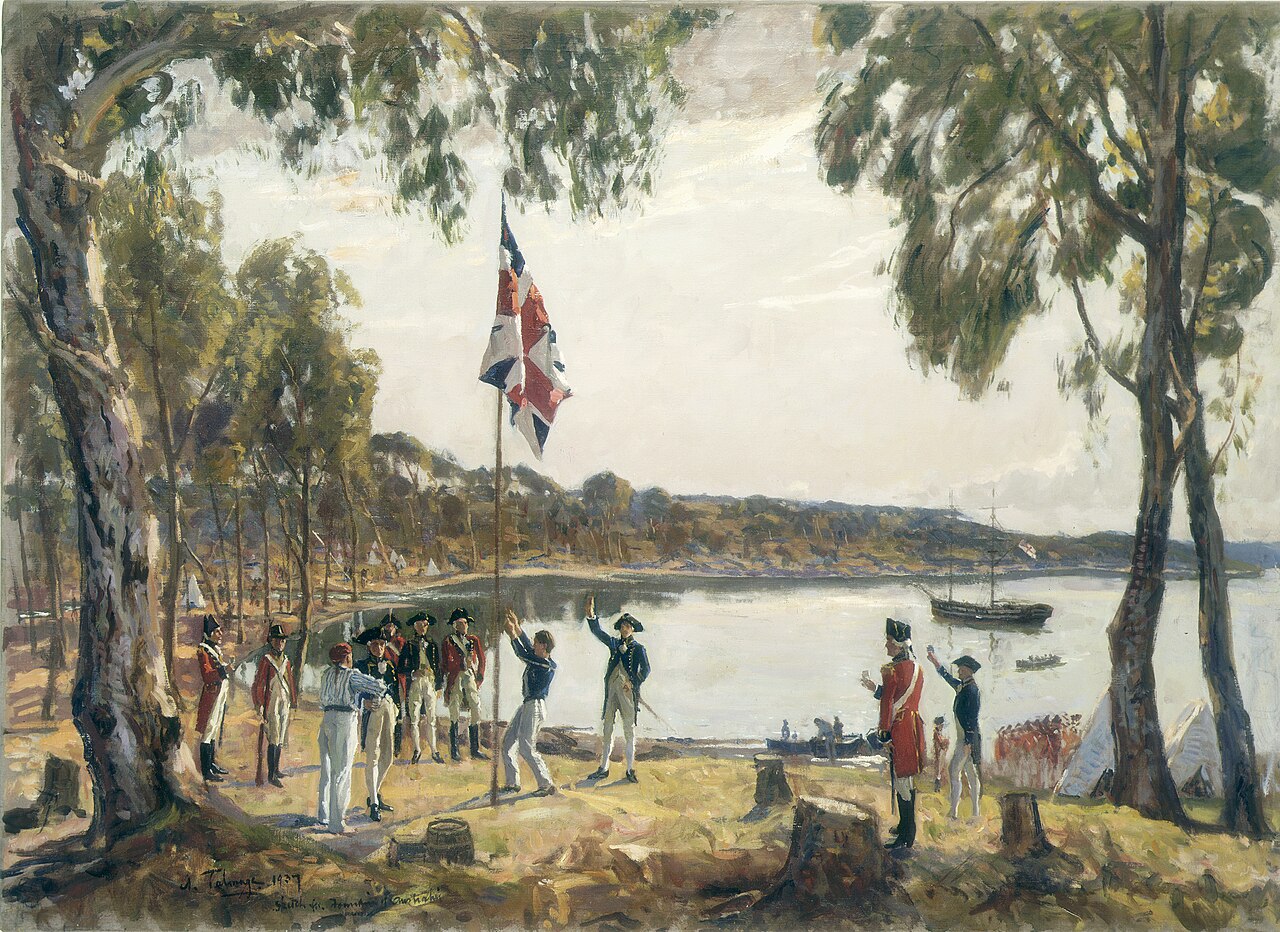
In January 1788 the First Fleet, under the command of Captain Arthur Phillip, reached Port Jackson and established a penal colony at the site of present‑day Sydney. The arrival marked the start of sustained British colonization on the Australian continent, the transportation of convicts from Britain, and the beginning of profound and often devastating changes for Indigenous populations. The new colony set patterns of administration, land use and penal policy that would shape Australian history.
United States: constitutional transition
During 1788 the required number of states ratified the federal Constitution, enabling the framework designed at the 1787 Philadelphia Convention to replace the Articles of Confederation. By mid‑1788 enough ratifications had been achieved to put the Constitution into effect; this completed phase made possible the organization of the new federal government, which would begin operating in 1789. Debates between Federalists and Anti‑Federalists over central authority and individual rights continued, soon prompting the proposal of a Bill of Rights.
Europe: royal illness, wars and French crisis
Several European states experienced political tension in 1788. King George III of Great Britain suffered a serious episode of mental illness late in the year that produced a regency controversy and constitutional anxieties in Britain. In northern Europe, the Russo–Swedish War opened in 1788 as Gustav III of Sweden pursued military aims against Russia. In France the fiscal crisis, deep budget deficits and poor harvests increased social distress and political friction; these pressures would help precipitate the convocation of the Estates‑General and wider revolutionary events in 1789.
Context and legacy
- Imperial expansion: The settlement at Sydney extended British imperial reach and introduced long‑term settler and penal institutions in Australia.
- Constitutional order: Ratification of the U.S. Constitution in 1788 set the United States on a new constitutional course with stronger federal institutions.
- European instability: Royal health crises, regional wars and fiscal distress in major states signalled the fragility of established orders across Europe.
Seen together, the events of 1788 illustrate how local actions—colonization, legal reform, fiscal choices—interacted with broader social and environmental stresses to produce long‑lasting political change. The year functions as an important hinge between the late‑18th century world of monarchies and empires and the modern political arrangements that emerged in the following decades.
Related articles
Author
AlegsaOnline.com 1788 Leandro Alegsa
URL: https://en.alegsaonline.com/art/111731