
Confectionery: Sweets, candy and sugary treats
Confectionery—commonly called candy, sweets or lollies—are foods made chiefly for sweetness and pleasure. This article covers types, ingredients, history, cultural roles, production and health considerations.
Overview
Confectionery refers to a wide range of food products designed primarily for sweetness and sensory pleasure. These items typically feature high concentrations of sugars, syrups, chocolate, fruit preparations, dairy components or alternative sweeteners. Regional names differ: candy in North America, sweets in the UK and Ireland, and lollies in Australia and New Zealand. For general introductions and reference material, see overview resources.
Image gallery
10 Images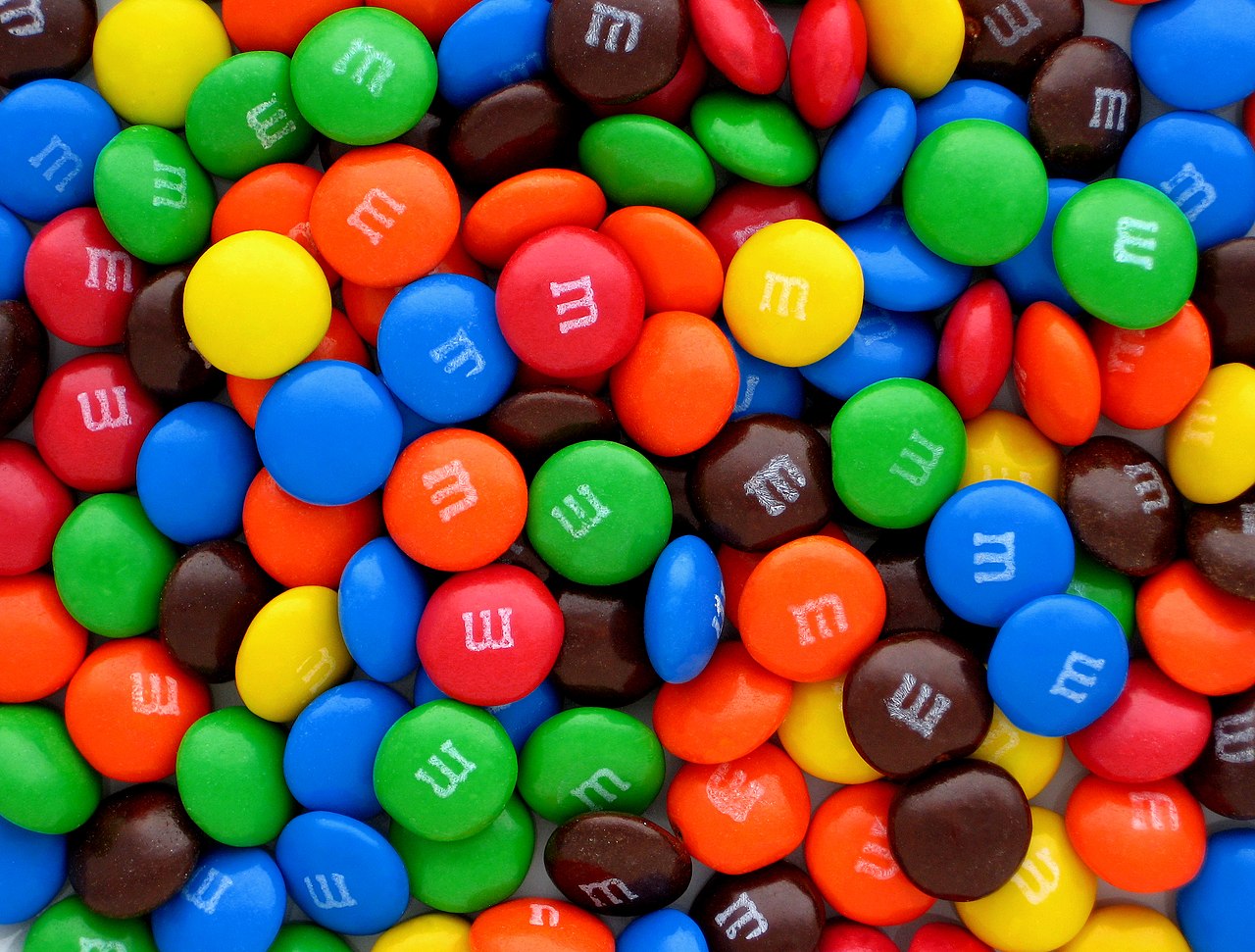




Composition and main categories
Most confections rely on concentrated sugars or substitutes to create structure, preserve the product and deliver sweetness. Common categories include:
- Sugar confections: hard candies, boiled sweets, caramels, toffees and fudges.
- Chocolate confections: bars, pralines, truffles and coated items.
- Gelled confections: gummies, jellies and marshmallows.
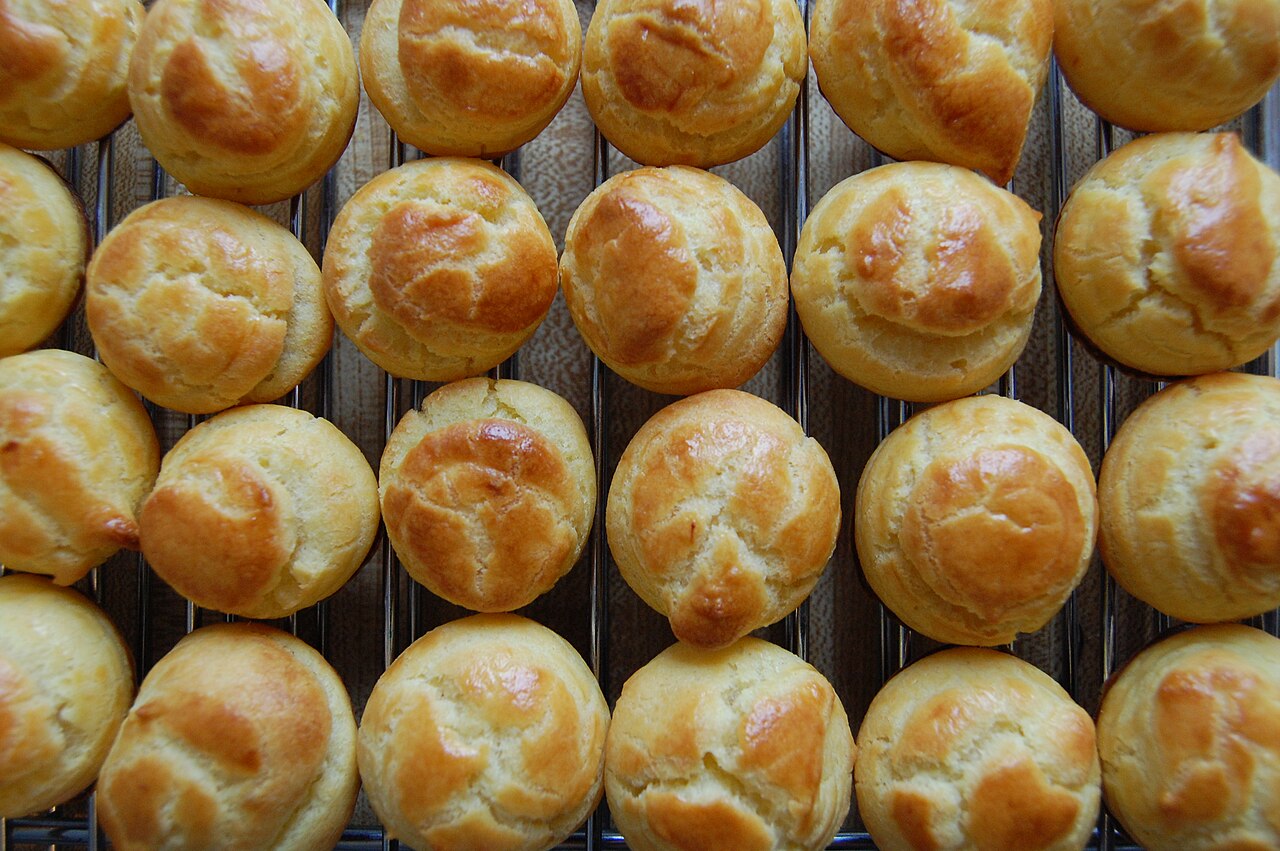
- Bakery and pastry confections: cakes, pastries and icings that overlap with desserts.
- Specialty and sugar-free products: items made with non-nutritive sweeteners or polyols.
Ingredients such as sucrose, glucose syrup, invert sugar, fats, milk solids, stabilizers, flavorings and colorants are combined to control crystallization, texture and shelf life. For information about sugars and sweetening agents, consult sugar guidance and artificial sweetener information.
History and cultural role
Sweet foods have ancient roots: preserving fruit in honey and reducing syrups predates refined sugar. Industrial-scale sugar refining, advances in cocoa processing and mechanized production in the 18th–20th centuries broadened access and variety. Confectionery often plays a role in celebrations, rituals and gift-giving, and specific sweets are associated with holidays and regional traditions. See notes on terminology and regional practice at regional terms.
Health, nutrition and regulation
Confections tend to be energy-dense and low in essential micronutrients. Public health guidance in many countries recommends limiting intake of added sugars and treating confections as occasional treats within a balanced diet. Sugar-free alternatives can lower added-sugar intake but may differ in calories and can cause gastrointestinal effects when consumed in excess. For nutrition guidance and general caloric information, consult nutrition resources and calorie references.
Production, storage and varieties
Commercial producers focus on consistency, safety and shelf stability, while small-scale and artisanal makers emphasize ingredient quality and craft techniques. Proper storage—cool, dry and away from direct light—helps maintain texture and flavor. Examples of widely known products include hard candies, chocolate bars, gummies, caramels, nougats and fondants. The variety and presentation of confectionery continue to evolve with changing consumer tastes, ingredient innovations and dietary trends.
Related articles
Author
AlegsaOnline.com Confectionery: Sweets, candy and sugary treats Leandro Alegsa
URL: https://en.alegsaonline.com/art/22460