
Cookbook (Cookery Book): Definition, Structure, History and Uses
A cookbook is a collection of recipes and culinary guidance. This article explains what cookbooks contain, their history, types, practical uses, and how they differ from related food writing.
A cookbook, often called a cookery book, is a type of book that explains how to prepare food for eating using one or more structured recipes. Modern cookbooks vary from short pamphlets with a handful of dishes to large illustrated volumes that combine practical instructions with narrative, cultural context, or scientific explanation. They serve both home cooks and professionals as a reference, teaching tool, and source of inspiration.
Image gallery
7 Images



Typical structure and common elements
Most cookbooks follow a predictable format to make recipes easy to follow. Key elements include:
- Title and description: a name for the recipe and a short note about its origin, flavor, or suitability.
- Ingredients list: quantities and specific items, sometimes with alternatives or substitutions; often annotated for clarity (ingredients).
- Yield and timing: how many servings and an estimate of preparation and cooking time.
- Step-by-step instructions: ordered actions the cook should take, sometimes numbered or broken into stages (instructions).
- Equipment and technique notes: special pans, heat levels, or culinary skills required.
- Presentation and serving suggestions: plating, storage, and pairing tips (presentation).
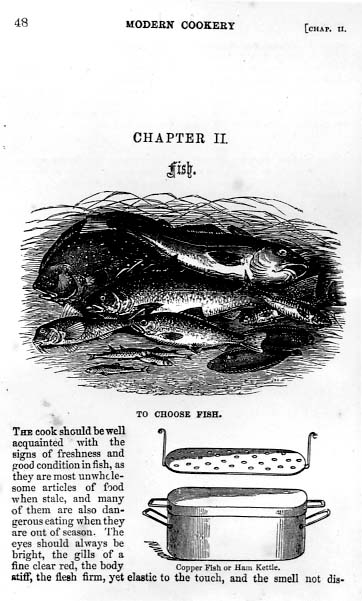
Illustrations, photographs and nutritional information are common in contemporary books; older texts often relied on concise prose. Some volumes also include indexes, glossaries and conversion charts to help readers adapt recipes to different kitchens.
History, development and types
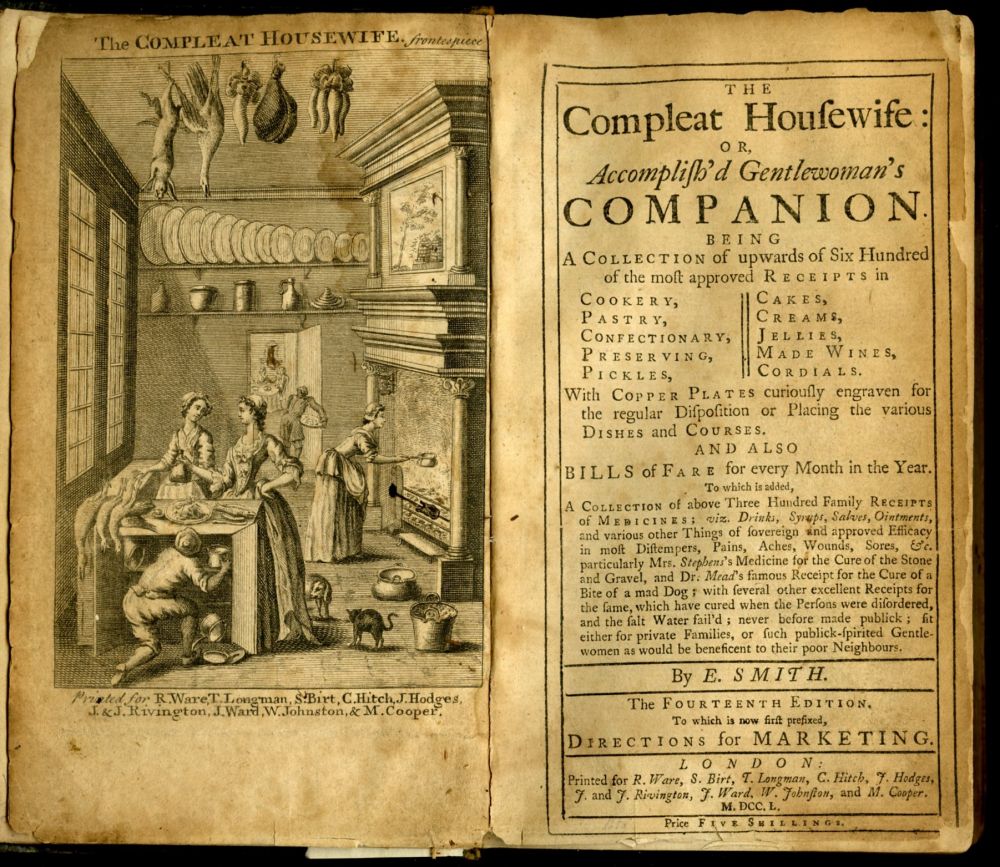
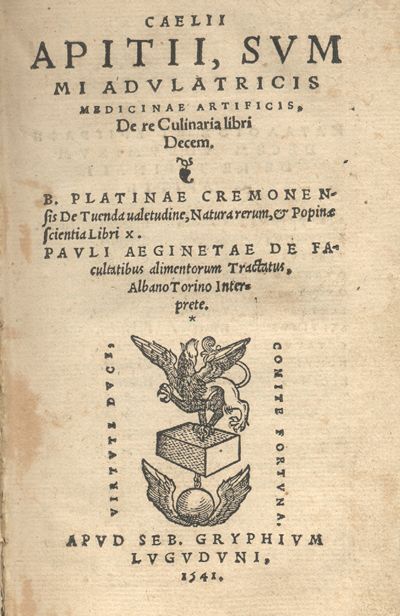
Collections of recipes exist in many cultures and eras. Handwritten and compiled manuscripts preserved culinary traditions long before printing made recipes widely available. With print technology, domestic manuals, regional compendia, and specialised guides proliferated. Today cookbooks come in many forms: regional or national cuisine, single-ingredient or technique-focused works, diet-specific guides, celebrity chef tomes, and community or heritage collections that document foodways.
Cookbooks are used for practical cooking, culinary education, preserving cultural memory, and as literary or photographic projects. Professional kitchens may rely on different formats—concise technical sheets or standardized recipe cards—than home cookbooks, which often prioritize storytelling and visuals. Digital apps and blogs now extend the cookbook tradition into searchable databases and user-generated content.
When using a cookbook, readers learn to scale quantities, substitute ingredients, adjust cook times for altitude or equipment, and interpret vague historical instructions into modern practice. While recipes promise reproducible results, they also leave room for personal judgment and local adaptation—part of what keeps cookbooks relevant across generations.
As a category, cookbooks sit at the intersection of practical manual, cultural record, and creative expression. They differ from single-sheet recipes or menus by offering context and breadth, and they differ from food criticism or journalism by emphasizing how to make a dish as well as why it matters. For further reading and examples, consult introductory surveys and specialized collections across culinary literature (book, food).
Additional resources and practical guides are available in many libraries and online collections, where users can compare formats, techniques, and approaches to cooking as both craft and culture.
Related articles
Author
AlegsaOnline.com Cookbook (Cookery Book): Definition, Structure, History and Uses Leandro Alegsa
URL: https://en.alegsaonline.com/art/22873