
Artificial sweetener (sugar substitute)
A non-sugar substance used to impart sweetness without the calories of sucrose; includes types, uses, history, regulation, and health considerations.
An artificial sweetener, often called a sugar substitute, is a manufactured chemical added to food and drink to provide a sweet taste without the caloric content of table sugar. These substances are used in a wide range of food products and beverages to mimic the sensory effect of sugar while reducing energy intake. Many artificial sweeteners aim to taste similar to sugar or corn syrup but supply far fewer calories per serving than sugar sources such as sucrose or glucose syrup (lower energy value).
Image gallery
4 Images
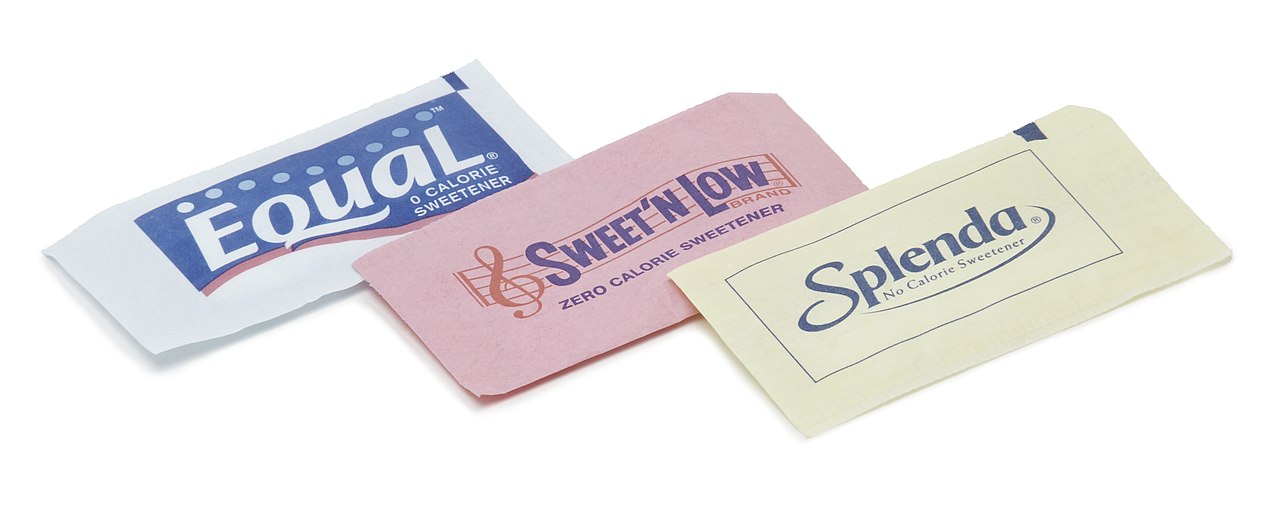

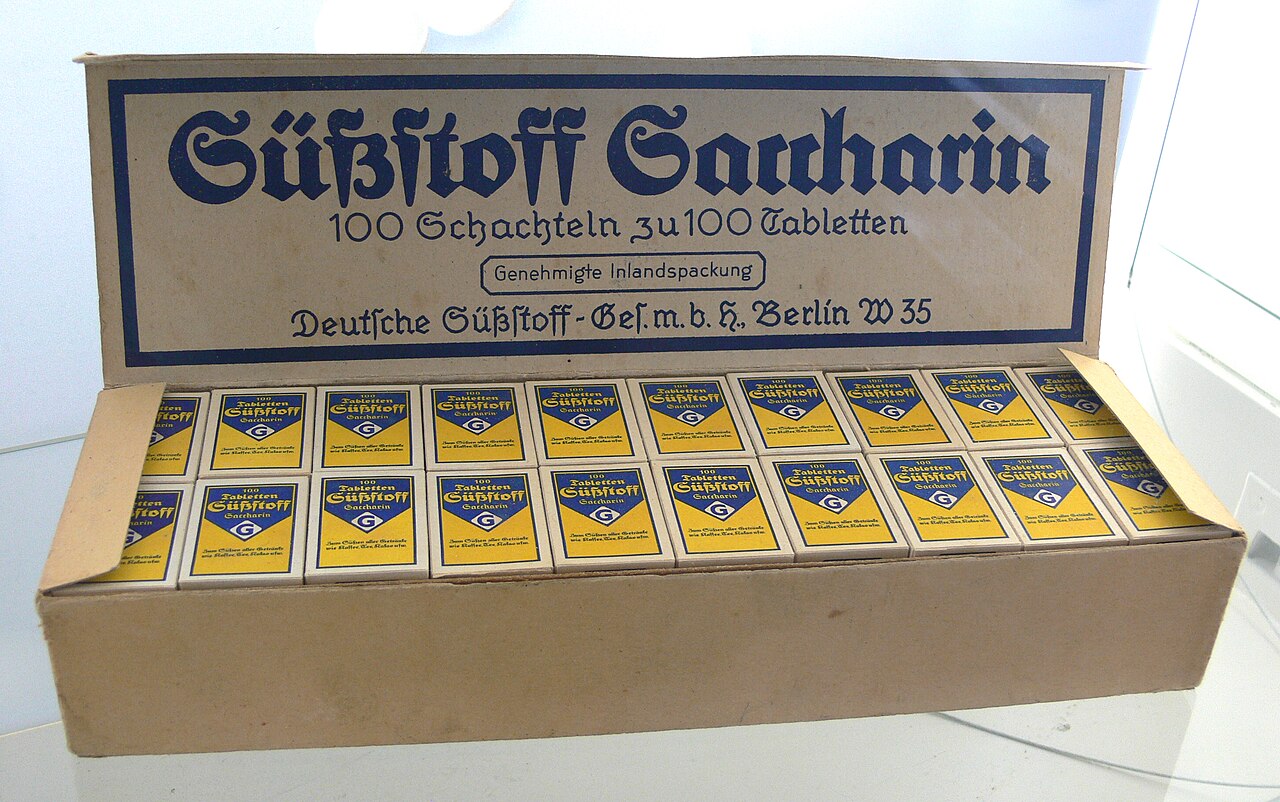
Characteristics
Artificial sweeteners vary in chemical structure and sweetness intensity. Some are several times sweeter than sucrose by weight, so only small amounts are needed to achieve the desired sweetness. They may be stable under heat and in acidic conditions, which affects their suitability for cooking, baking, and soft drinks. Taste profile, aftertaste, solubility, and stability differ among compounds and influence product formulation. Because they contribute little or no metabolizable carbohydrate, they are commonly used where calorie reduction is desired.
Types and examples
- Common synthetic sweeteners include aspartame, sucralose, saccharin, and acesulfame potassium.
- Some sugar alcohols (like xylitol and erythritol) are often grouped with substitutes; they provide fewer calories than sugar but are not non-nutritive in the strictest sense.
- Newer sweetening agents and blends seek to combine favorable taste with improved stability and safety profiles.
History and regulation
Artificial sweeteners have been developed and commercialized since the late 19th and 20th centuries, often originating from laboratory discoveries of sweet-tasting chemical byproducts. Their adoption accelerated with interest in weight management, diabetes care, and food industry innovation. Regulatory agencies in many countries evaluate safety evidence before approval; approved sweeteners are subject to acceptable daily intake guidelines and ongoing review. Public debate and research have continued about long-term effects, which has led to varying guidance and consumer preferences worldwide.
Uses, benefits and considerations
Uses include diet soft drinks, reduced-calorie foods, tabletop sweeteners and products labeled Light or Diet. Benefits often cited are lower calorie intake, dental advantages compared with sugar, and glycemic management for people with diabetes. Considerations include possible differences in taste perception, digestive effects for some sugar alcohols, and the need to maintain overall dietary balance. Health organizations generally recommend moderation; individuals with specific medical conditions should consult health professionals.
Notable distinctions
Artificial sweeteners are distinct from natural sugars and from non-caloric sweeteners derived from plants (such as stevia extracts), although both may serve similar roles in food. When choosing substitutes, formulators weigh sweetness quality, mouthfeel, stability, cost and regulatory status. Ongoing research explores metabolic outcomes, consumer behavior, and novel sweetening molecules to balance taste and health objectives.
Questions and answers
Q: What is an artificial sweetener?
A: An artificial sweetener is a chemical that is added to some foods to make them taste sweet. It is made to taste like sugar or corn syrup.
Q: What is the energy value of an artificial sweetener compared to sugar?
A: Usually, the energy value of an artificial sweetener is much lower than sugar.
Q: In which types of products can artificial sweeteners be found?
A: Artificial sweeteners can be found in many products that say "Light" or "Diet" in their name.
Q: Why do consumers use artificial sweeteners?
A: Consumers use artificial sweeteners for one of the following reasons:
1. To reduce their calorie intake
2. To control their blood sugar levels
3. To reduce their risk of tooth decay
Q: Does sugar have a higher energy value than artificial sweeteners?
A: Yes, sugar typically has a higher energy value than artificial sweeteners.
Q: Is an artificial sweetener a natural product?
A: No, an artificial sweetener is a chemical, and therefore not a natural product.
Q: Are all "Light" or "Diet" products sweetened with artificial sweeteners?
A: Not necessarily. While many products labeled as "Light" or "Diet" contain artificial sweeteners, some may use natural sweeteners instead.
Related articles
Author
AlegsaOnline.com Artificial sweetener (sugar substitute) Leandro Alegsa
URL: https://en.alegsaonline.com/art/6356