
Common sage (Salvia officinalis): description, cultivation, uses and history
Salvia officinalis, or common sage, is an aromatic evergreen subshrub from the Mediterranean used in cooking, traditional medicine and gardens. This article covers its features, cultivation and notable facts.
Common sage (Salvia officinalis) is a perennial, aromatic plant valued for its leaves and flowers. It is typically a low-growing subshrub with woody branches, gray-green foliage and blooms that range from blue to violet. Native to southern Europe and the broader Mediterranean area, it has been cultivated for centuries for culinary, medicinal and ornamental uses.
Image gallery
10 Images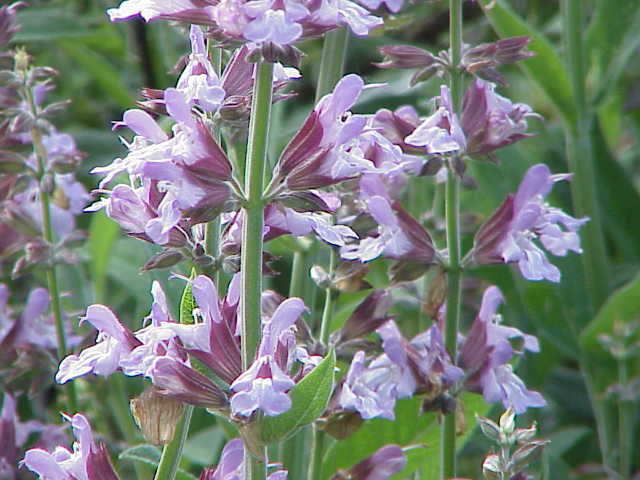





Characteristics and identification
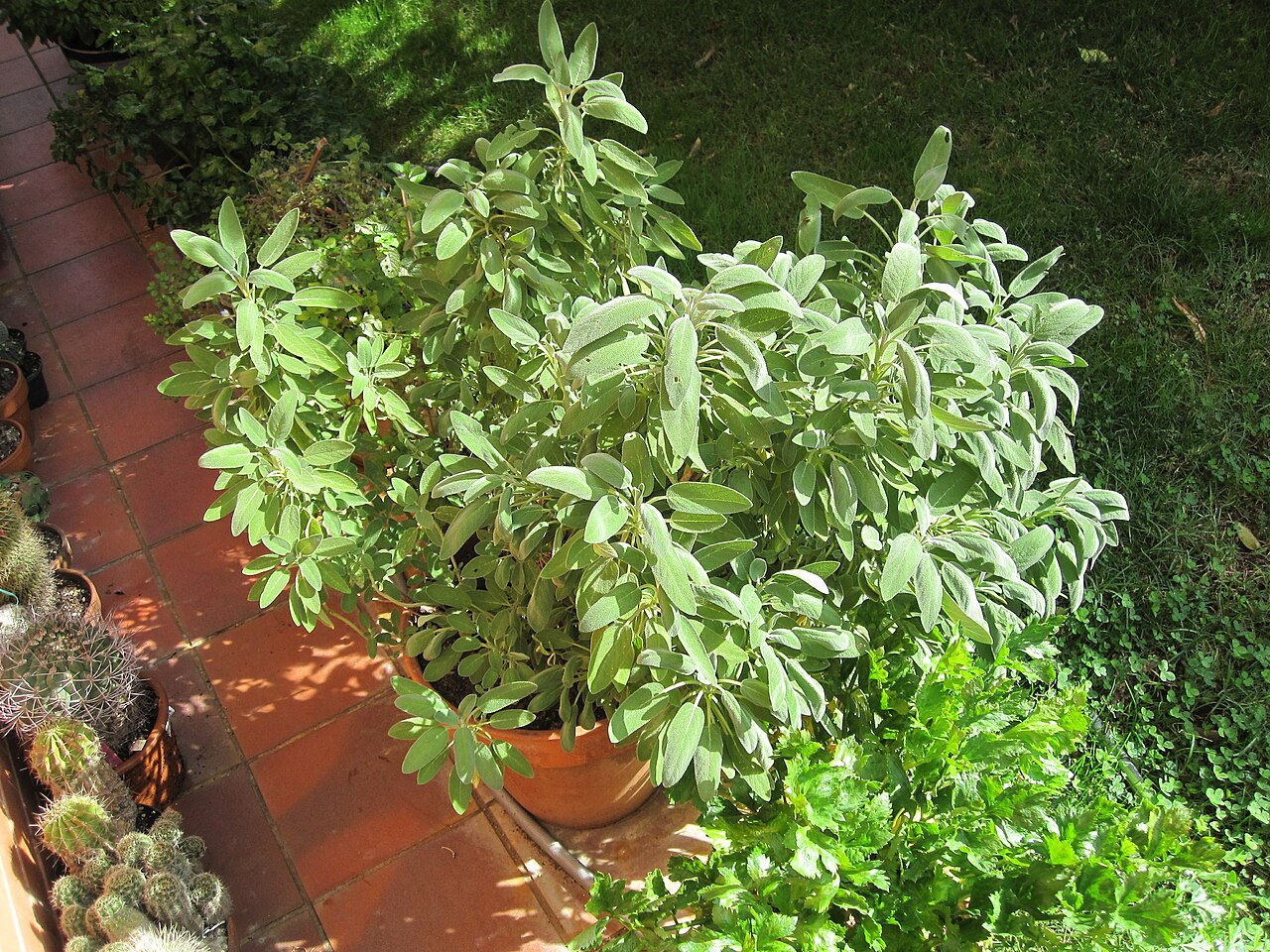
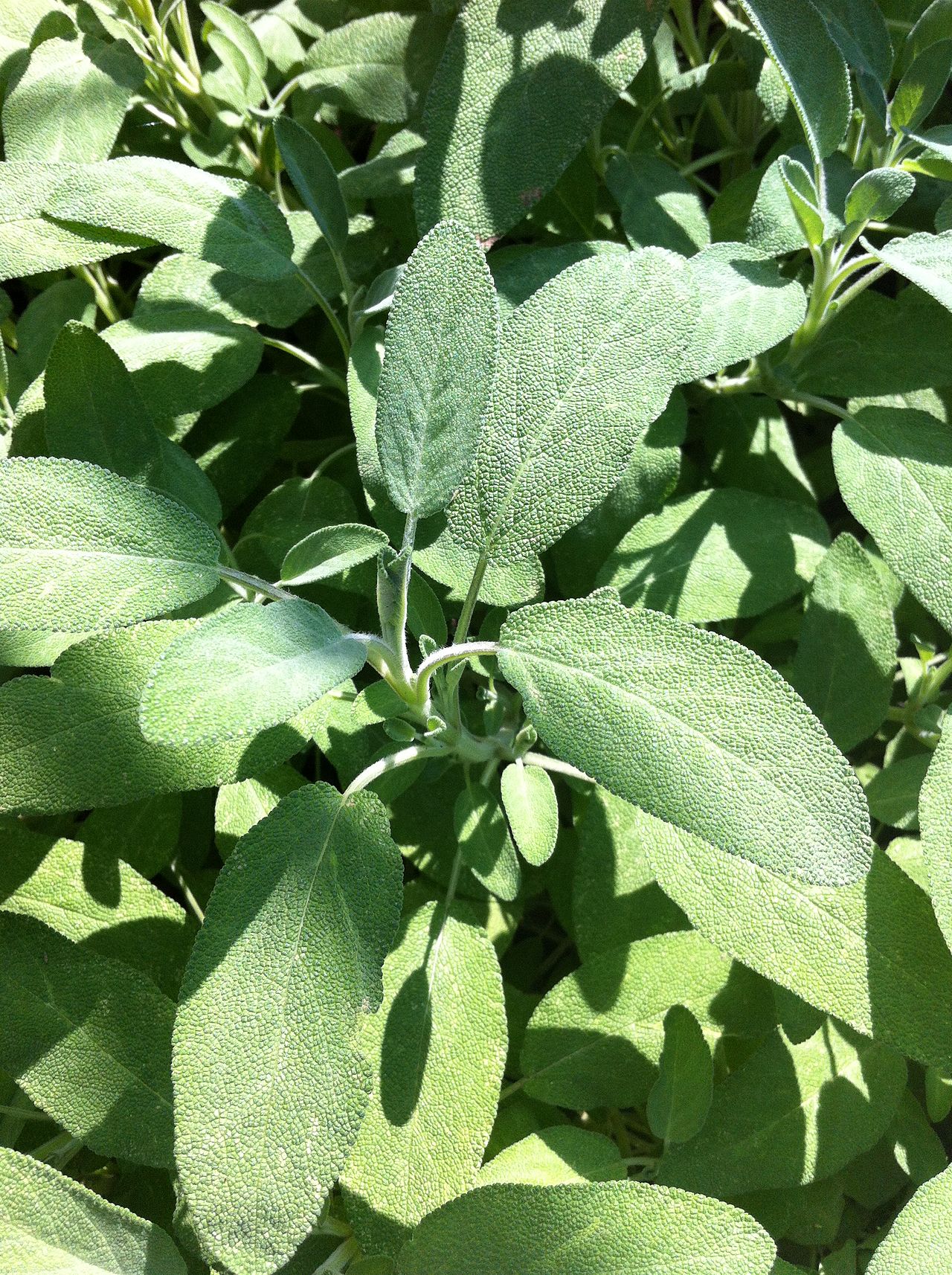
Salvia officinalis forms a compact mound of soft, downy leaves on woody stems. The leaves are covered in fine hairs that give them a grayish cast and concentrate the plant's aromatic oils. Flowers appear in terminal spikes and attract pollinators. Typical traits include slow woody growth, evergreen or semi-evergreen foliage in mild climates, and a lifespan for productive plants often lasting only a few years before vigor declines.
Cultivation and care
Sage prefers warm, well-drained sites and tolerates relatively dry conditions; it is not suited to permanently waterlogged soils. For best results plant it in sunny positions with light to moderate shade in hot afternoons. It adapts to many garden soils but favors the kind of free-draining, slightly alkaline conditions common in the Mediterranean. Good pruning and occasional division help maintain a healthy shape and encourage new growth. Propagation is commonly by stem cuttings or division rather than seed for true-to-type cultivars.
Uses and applications
Sage is widely used as a kitchen herb to flavor meats, stuffings, sauces and oils; its leaves are used fresh or dried. It also has a long history as a medicinal herb in traditional systems, where preparations were applied topically or taken in small amounts; modern advice recommends caution with concentrated extracts because of potent compounds present in the essential oil. In landscaping it is appreciated for texture, scent and pollinator value.
History, names and related species
Common sage has been grown since antiquity around the Mediterranean and became established in kitchen and monastery gardens throughout Europe. It is known by several English names such as garden sage, kitchen sage and Dalmatian sage. In cultivation other related Salvia species and hybrids are sometimes grown for similar uses and may be confused with S. officinalis; horticultural selections offer a range of leaf colors and flower hues.
Practical notes and distinctions
- Longevity: many plants are most productive for three to five years before they benefit from replacement or rejuvenation pruning.
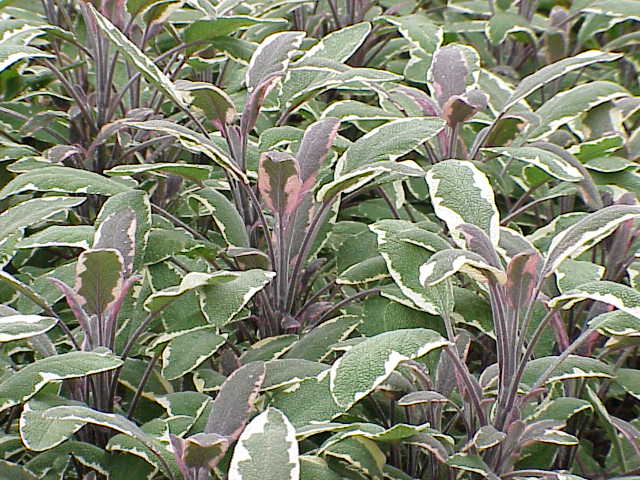
- Varieties: garden cultivars differ in leaf color, size and aroma; some are bred for ornamental value.
- Precautions: essential oils contain active constituents and concentrated forms should be used carefully, especially during pregnancy or by people with certain medical conditions.
- Similar taxa: several Mediterranean Salvia species are used in the same ways and can be mistaken for common sage; careful identification is important for culinary and medicinal uses.
For cultivation tips and regional varieties consult horticultural guides and reputable herb references: soil and site advice, plant type information and resources on Mediterranean flora and on how to distinguish similar Salvia species. For more on uses and safety see general herb compendia: plant overview and technical notes at stem and structure, culinary uses and traditional medicinal uses.
Related articles
Author
AlegsaOnline.com Common sage (Salvia officinalis): description, cultivation, uses and history Leandro Alegsa
URL: https://en.alegsaonline.com/art/22017