
Conifer cone (strobilus): structure, function and uses
A conifer cone (strobilus) is the reproductive organ of conifers. This article explains male and female cones, their anatomy, reproduction, ecological roles, uses, and notable variations including fire-adapted species.
The conifer cone, formally known in botany as a strobilus (plural strobili), is the reproductive organ produced by members of the division Pinophyta. Commonly called a pine cone when from certain genera, the cone houses the structures that generate pollen or seeds and plays a central role in the life cycle of conifers. For general information on plant organs see plant organ and for the group that produces cones consult Pinophyta or more specifically conifers.
Image gallery
10 Images



Overview and terminology
Cones come in two main functional types: male (pollen) cones and female (seed) cones. The familiar woody cone found beneath the branches is usually the female form; it bears ovules that, after pollination and fertilization, develop into seeds. Male cones are typically smaller and less conspicuous; their primary output is pollen, released into the air to reach receptive female cones of the same or nearby trees. Conifers are generally wind-pollinated, and the process enables long-distance gene flow between individuals and populations. For the role of cones in reproduction more broadly, see reproduction and for pollen production see pollen.
Structure and anatomy
Both cone types are built around a central axis bearing modified leaves. In male cones these are microsporophylls, each carrying one or several pollen sacs called microsporangia; these sacs produce and release pollen grains. In female cones the axis supports a series of seed scales, each of which may subtend one or more ovules on a small stalk (the ovuliferous scale). The visible plates of a cone are commonly referred to as scales. Anatomical details — scale arrangement, woody thickness, presence of resin — vary by species and influence how seeds are protected and dispersed. Technical descriptions of sporangia and related structures are discussed under microsporangia.
Reproduction, seed release and ecological roles
After pollination, seed development can take months to years depending on the species. Most cones respond to moisture: many close when wet and open as they dry, a hygroscopic mechanism that times seed release to favorable conditions. Some species have evolved serotiny, where cones remain closed until exposed to high temperatures from fire; this adaptation allows seeds to colonize open ground after a burn. Cones and their seeds are important food and nesting resources for wildlife such as birds, squirrels and insects, and they contribute to forest regeneration dynamics.
Uses, cultural and economic importance
Humans have long used cones and their seeds in diverse ways. Decorative wreaths and holiday ornaments commonly feature cones, and in crafts they are prized for texture and shape. Certain species produce edible seeds; for example, pine nuts from pinyon pines are incorporated into cooking and baking (pine nuts and baking) across many cuisines. Cones also serve in education and natural history displays, and wood and resin from cone-bearing trees supply timber, turpentine and other products. For general tree context see tree.
Variations, notable facts and distinctions
- Size and form: cones range from tiny pollen cones to large seed cones several decimeters long in some species.
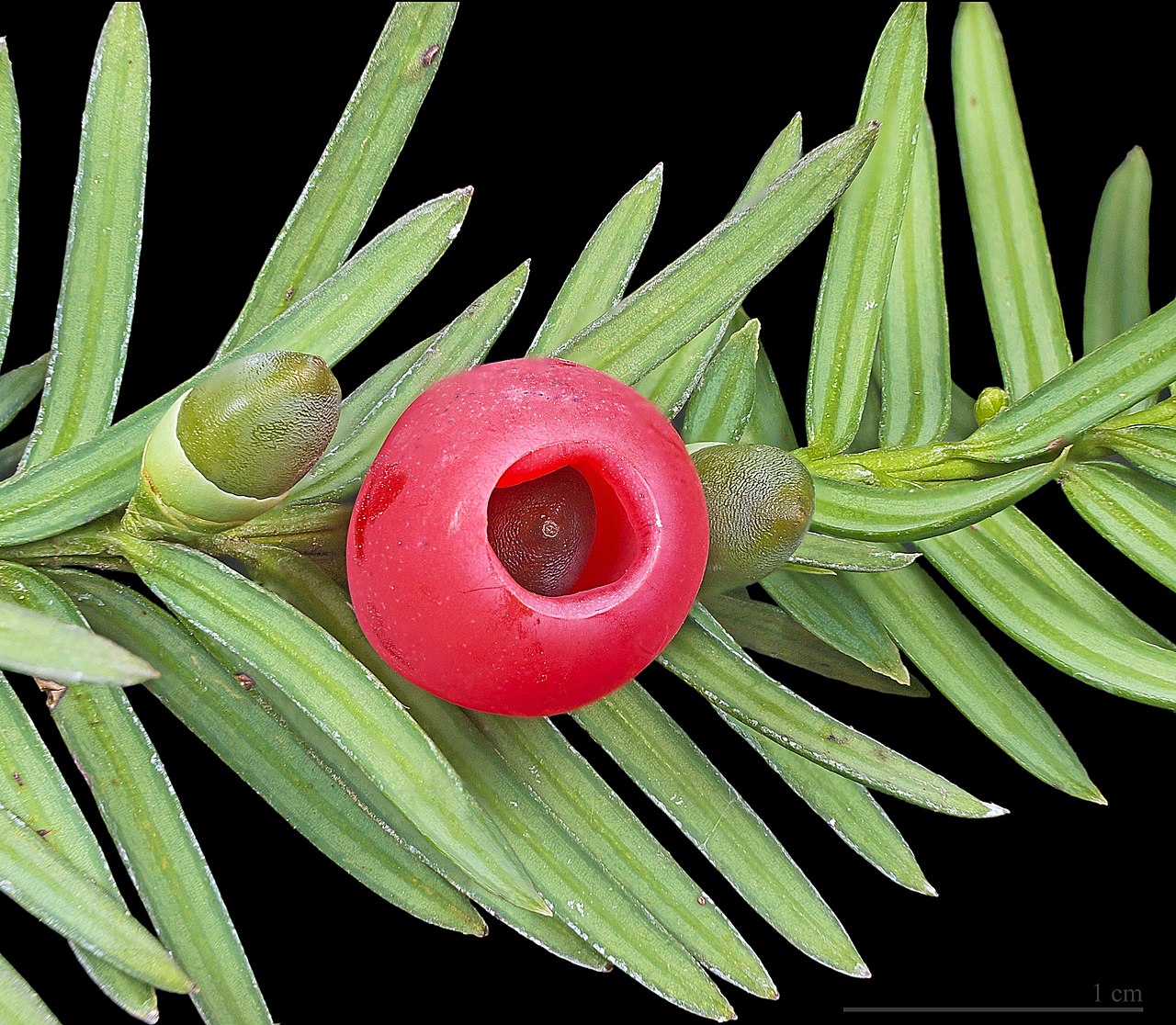
- Fleshy vs. woody: not all cones are woody; some genera have fleshy seed-bearing structures that resemble berries.
- Fire adaptation: serotinous cones open in response to heat, an ecological strategy in fire-prone habitats.
- Human uses: beyond ornament and food, cones are studied in paleobotany because fossil strobili illuminate the evolution of seed plants.
Conifer cones illustrate a successful reproductive design that has persisted for hundreds of millions of years. Their variety reflects ecological pressures, dispersal strategies and human uses, making them both biologically important and culturally familiar objects across temperate and boreal landscapes. For further reading and species-specific details consult targeted sources such as field guides and botanical references via plant organ, Pinophyta, conifers, tree, reproduction, pollen, microsporangia and culinary resources pine nuts and baking.
Questions and answers
Q: What is a confier cone?
A: A confier cone is an organ on plants in the division Pinophyta (conifers) that contains the reproductive structures.
Q: What is the formal name of a confier cone in botany?
A: Its formal name in botany is strobilus, plural strobili.
Q: What is the female cone of a tree?
A: The female cone is the part of a tree that produces seeds.
Q: What are the male cones of a tree?
A: The male cones are the parts of a tree that produce pollen.
Q: What is the microsporophylls of a cone?
A: The microsporophylls are modified leaves that extend from a central axis in a male cone.
Q: What are some uses of conifer cones and their seeds?
A: They are often used for decorations and some seeds are used in prepared foods and baking.
Q: What happens to most mature cones when they are wet and dry?
A: Most mature cones are closed when wet and open when dry.
Related articles
Author
AlegsaOnline.com Conifer cone (strobilus): structure, function and uses Leandro Alegsa
URL: https://en.alegsaonline.com/art/22527
Sources
- commons.wikimedia.org : Conifer cones
- pinetum.org : Arboretum de Villardebelle
- thesprucecrafts.com : "[Cone] Results from TheSpruceCrafts.com"