
Aggregate, multiple, and compound-ovary fruits: classification and developmental differences
Overview of aggregate, multiple and compound-ovary fruits: clear definitions, developmental origins and diagnostic features to distinguish fruits from one flower, many flowers, or fused carpels
Compound fruit is an imprecise term sometimes applied to fruits that consist of more than a single simple unit. Because the phrase is not a strict botanical category, authors often clarify the structure by using the specific terms described below.
Image gallery
4 Images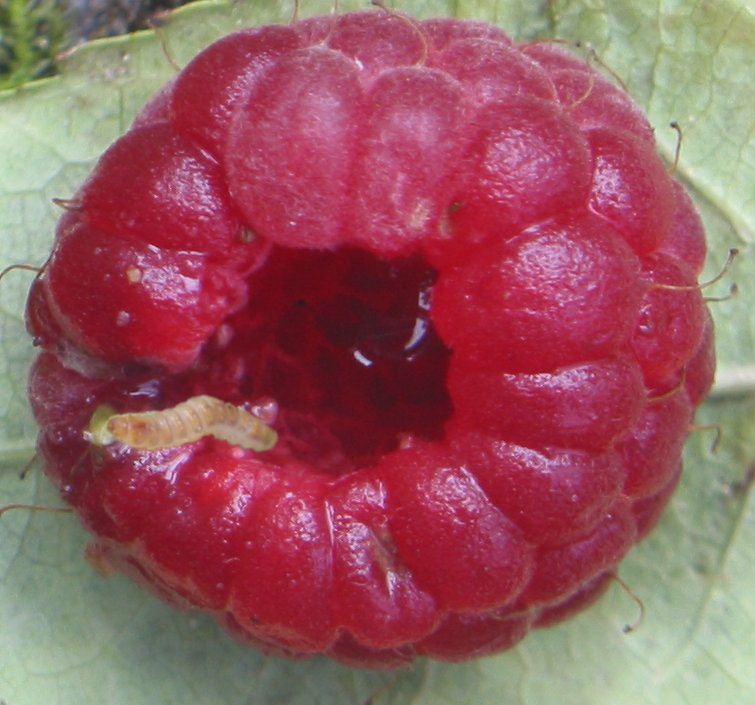


Forms commonly called compound fruits
- An aggregate fruit, which develops from one flower that contains several distinct ovaries; the separate ovaries mature as a group of small fruitlets associated with the same flower.
- A multiple fruit, produced when many flowers in an inflorescence each form a small fruit and those fruits fuse or press together into a single larger structure during development.
- A simple fruit that originates from a compound ovary, meaning one flower has an ovary formed by the fusion of several carpels; the resulting fruit is technically simple but develops from a multi-part ovary.
As an example of what is not a compound fruit, grapes occur in clusters but each grape is a separate berry formed from a single ovary of a single flower; the berries are not fused into a single fruit.
In technical contexts, it is clearer to avoid the catch-all label and to specify whether a fruit is aggregate, multiple, or a simple fruit from a compound ovary, since each describes a different developmental origin.
Questions and answers
Q: What is a compound fruit?
A: A compound fruit is a fruit that is composed of two or more similar parts.
Q: When is the term compound fruit used?
A: The term compound fruit is used when it is not clear which of several fruit types a fruit belongs to.
Q: What are the different types of compound fruits?
A: The different types of compound fruits are aggregate fruits, multiple fruits, and simple fruits formed from a compound ovary.
Q: What is an aggregate fruit?
A: An aggregate fruit is a compound fruit in which one flower contains several separate ovaries that grow together during development.
Q: What is a multiple fruit?
A: A multiple fruit is a compound fruit in which several flowers, each with an ovary, develop into small fruits that grow together into a larger fruit.
Q: Are grapes considered as compound fruits?
A: No, grapes are not considered as compound fruits because each grape is grown from one ovary in one flower, and they are not attached to one another.
Q: Can a simple fruit be considered as a compound fruit?
A: Yes, a simple fruit can be considered as a compound fruit if it is formed from a compound ovary.
Related articles
Author
AlegsaOnline.com Aggregate, multiple, and compound-ovary fruits: classification and developmental differences Leandro Alegsa
URL: https://en.alegsaonline.com/art/22272