
Container Gardening: Growing Plants in Pots, Boxes and Small Spaces
Practical encyclopedia entry on container gardening: container types, potting mix, plant selection, care, design, benefits and limitations for balconies, patios and indoor spaces.
Container gardening is the practice of growing plants in movable or fixed receptacles rather than directly in the ground. A typical container can be a pot, box, tub, basket, barrel or hanging planter; the limited root volume of a container creates specific cultural needs for watering, feeding and winter protection. Container gardening suits balconies, patios, rooftops, windowsills and interiors where soil is poor or space is limited.
Image gallery
6 Images

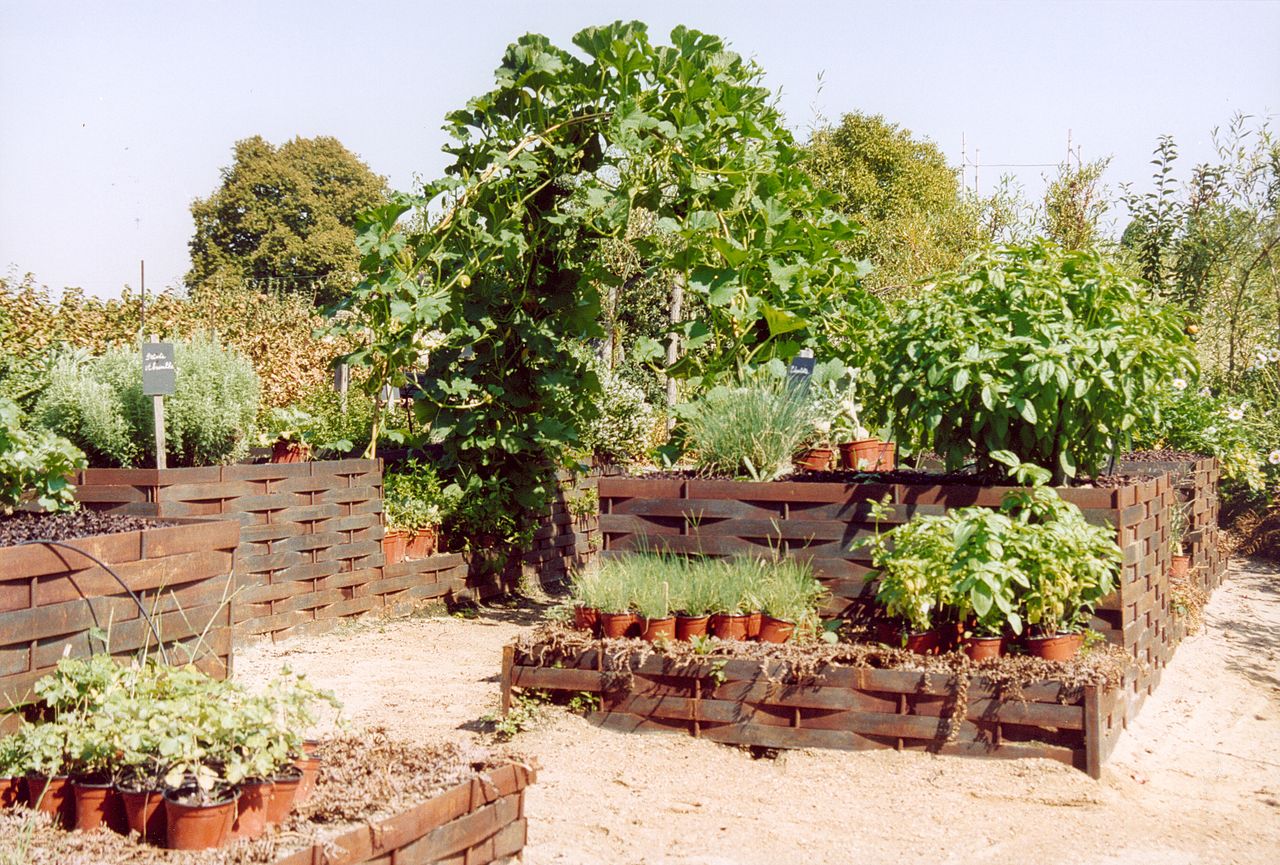


Common container types
- Pots — freestanding vessels in clay, plastic, ceramic or resin; see general pot guidance for material advantages and drawbacks.
- Window and balcony boxes — long, shallow flower box arrangements appropriate for herbs and trailing annuals.
- Hanging baskets — suspended planters that add vertical interest and save floor space; practical notes at hanging basket resources.
- Large containers — tubs, half-barrels and grow bags suitable for vegetables, small shrubs or dwarf trees.
Soil, drainage and materials
Use a free-draining, lightweight potting mix formulated for containers rather than garden soil. Good mixes combine a porous component (e.g., bark, perlite) with organic matter to retain moisture and nutrients. Ensure containers have drainage holes or internal drainage systems to avoid waterlogging. Material affects performance: terracotta breathes and dries faster, plastic holds moisture and is lighter, and metal can heat quickly in sun; adjust watering and placement accordingly.
Plant selection and placement
Many species adapt well to containers: herbs, salad greens, compact tomatoes, peppers, strawberries, bedding annuals, small shrubs and many houseplants. Consider mature root depth and spread when choosing container size: deeper roots need proportionally deeper containers. Combine upright, mounding and trailing plants in a single container for balanced visual interest and fuller appearance.
Care and maintenance
- Watering: Containers dry more rapidly than beds; frequency depends on container size, material and weather. Check soil moisture and water thoroughly until excess drains from holes.
- Feeding: Nutrients leach with regular watering; use balanced liquid feeds, slow-release granules or organic topdressings according to label guidance.
- Repotting: Refresh potting mix every one to three years, divide overcrowded plants and repot into larger containers when rootbound.
- Seasonal care: Move tender plants indoors before frost, insulate containers in winter or empty and store fragile pots.
Design, benefits and limitations
Container gardening offers mobility, greater control over soil conditions and the ability to create microclimates and layered displays. It also makes gardening more accessible for people with limited mobility. Limitations include restricted root volume, more frequent watering and greater sensitivity to temperature swings. Thoughtful container selection, appropriate potting mix and diligent watering and feeding will maximize success in small-space gardening.
Practical considerations
Avoid using containers that can leach harmful substances into edible crops; choose food-safe materials for vegetables and herbs. Reuse and recycle containers thoughtfully, provide adequate weight support for large pots, and consider self-watering systems or mulch to reduce irrigation needs. Container gardening is a flexible, centuries-old practice that continues to expand access to plants for urban and indoor gardeners.
Questions and answers
Q: What is a container garden?
A: A container garden is a type of garden that is grown in containers instead of the ground.
Q: What are the different sizes of containers used in container gardening?
A: Containers used in container gardening may come in various sizes.
Q: Are containers used in container gardening portable?
A: Containers used in container gardening may or may not be easily portable.
Q: What is the function of containers in container gardening?
A: Containers in container gardening are used to display live flowers or plants.
Q: What are some examples of containers used in container gardening?
A: Some examples of containers used in container gardening are pots, flower boxes, tubs, baskets, tins, barrels, and hanging baskets.
Q: Are container gardens limited to a certain range of plants?
A: Container gardens can house various types of plants, with the limitation being the size of the container and the plant species.
Q: What is a benefit of container gardening?
A: A benefit of container gardening is that it is a great option for those who lack space for a traditional ground-based garden, such as in apartments, balconies, or small outdoor areas.
Related articles
Author
AlegsaOnline.com Container Gardening: Growing Plants in Pots, Boxes and Small Spaces Leandro Alegsa
URL: https://en.alegsaonline.com/art/22725
Sources
- lvrj.com : "Reap Benefits Of Container Gardening"
- urbanext.illinois.edu : "Welcome To The World Of Container Gardening"