
Collar (clothing): types, parts, history and uses
A collar is the part of a garment that frames the neck. This article explains common collar parts and types, traces its development, and outlines uses, maintenance, and notable variations.
Overview
A collar is the portion of a garment that encircles, frames, or supports the neck. Collars appear on many kinds of clothing, notably on a shirt, dress, coat or blouse. They may be integral to the garment or made as a separate, detachable piece. Beyond basic function, collars contribute to style, silhouette and the formality of an outfit.
Image gallery
10 Images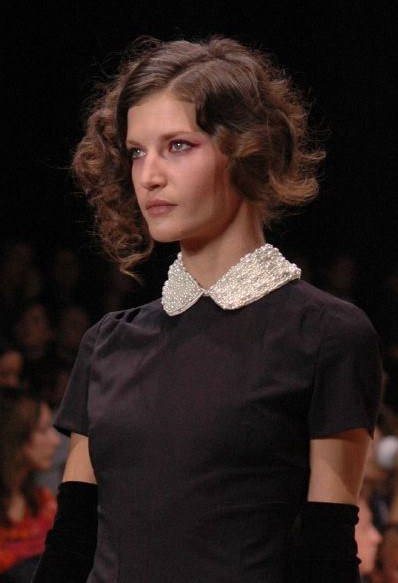




Parts and characteristics
Collars vary in shape, construction and stiffness. Typical components include a collar band or stand, the points or tips, the roll where the collar folds, and internal supports such as stays. Fabrics, interlining and finishing—starch, stitching and edge treatments—determine how a collar sits and how formal it appears.
Common types
- Turn-down: the classic shirt collar that folds over and creates a visible spread.
- Band or stand: a narrow, upright band that may be low-profile or high like a mandarin collar.
- Peter Pan: rounded and flat, often used on dresses and blouses for a soft look.
- Wing and shawl: used for formal wear; the wing is small and pointed, the shawl is continuous and curved.
- Ruffled or detachable: decorative or historical styles that can be removed for laundering or varied appearance.
History and development
The idea of ornamenting the neck has ancient roots, but structured collars evolved through the Middle Ages into the elaborate ruffs and then into simpler, detachable collars of the 18th and 19th centuries. Industrial textile production and changing fashion norms led to the wide variety of styles seen today.
Uses, care and notable facts
Collars frame the face, indicate formality, and sometimes signal profession or rank (for example, clerical collars). They interact with neckwear such as ties and bows and affect overall proportion. Maintenance commonly includes pressing, occasional starching and using collar stays to maintain shape. Regional and historical fashions influence collar width, height and ornamentation, making this small garment component a significant element of dress vocabulary.
For further reading on garments and related details, consult sources on general clothing and specific garments like the shirt and dress, outerwear such as the coat, and blouses and neck finishes noted on blouse guides and neck studies at reference collections.
Related articles
Author
AlegsaOnline.com Collar (clothing): types, parts, history and uses Leandro Alegsa
URL: https://en.alegsaonline.com/art/21558