
Cosplay: Costume Play, Culture, and Community
Cosplay is the practice of dressing and performing as fictional characters, combining costume making, performance, and fandom across global communities, events, and online networks.
Overview
Cosplay, short for "costume play," is the activity of creating and wearing costumes to represent characters from media such as anime, manga, video games, music scenes like Japanese rock and K-pop, films, comics and original designs. Practitioners, called cosplayers, may focus purely on accurate visual reproduction or add acting, choreography and skits to portray mannerisms and voice. Cosplay exists both as a hobby and, for some, a profession involving commissions, sponsorships and paid appearances.
Image gallery
10 Images

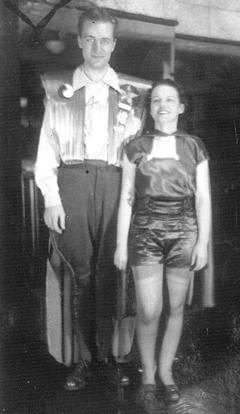


Typical components and skills
Successful cosplay combines several disciplines. Costume construction draws on sewing, patterning, foam or thermoplastic molding and increasingly 3D printing. Wig styling, makeup and body painting create facial likeness and hair shapes; propmaking produces weapons, accessories and armor. Performance skills—posing, walking in character, and short stage acts—are often used at photoshoots and competitions. Many cosplayers also manage social media profiles to document progress and connect with fans.
Events, competitions and community spaces
Cosplayers gather at conventions, fan meetups, photoshoots and local workshops. A common feature of larger gatherings is the masquerade: a judged stage show where participants present costumes and skits, highlighting craftsmanship and performance. Informal meetups focus on photography, trading tips or collaborative shoots. Online forums and platforms support tutorials, pattern sharing and commission requests, creating a global exchange of skills and inspiration.
History and global spread
The modern practice traces its visible roots to fan costuming at science fiction and anime conventions. The English term "cosplay" is often attributed to a Japanese writer who described the practice after seeing Western fan costuming in the 1980s; from Japan it spread widely as anime and other pop culture exports grew. Today active cosplay communities can be found worldwide, with regional styles and conventions reflecting local fandoms and cultural norms.
Variations, etiquette and legal notes
Cosplay includes many subgenres: closet cosplay (simple outfits made from everyday clothes), crossplay (dressing as a character of a different gender), original character creation, and competition-focused builds. Communities usually emphasize consent and safety—asking before taking photos and following venue rules about prop sizes. Copyright and trademark concerns occasionally arise when selling reproductions; professional cosplayers often navigate permissions, commissions and sponsorship agreements.
Importance and notable facts
Cosplay fosters technical skill development, creative expression and social bonds. Many practitioners learn tailoring, electronics (to light costumes) and public speaking. Cosplay has influenced fashion, hobby electronics and maker culture, and has helped some performers build careers as models, entertainers or craft entrepreneurs. Fans and newcomers can find resources through convention panels, local groups and online tutorials; communities of enthusiasts and skilled builders—sometimes described as otaku in certain contexts—continue to shape how cosplay evolves globally.
- Common pursuits: costume construction, wig and makeup work, propmaking
- Event types: casual meetups, photoshoots, masquerade competitions
- Social aspects: collaboration, education, and professional opportunities
For practical guides, technique tutorials and community listings, look for local convention pages, maker spaces and online guides that specialize in the media you enjoy—whether anime, manga, video games, Japanese rock or K-pop.
Related articles
Author
AlegsaOnline.com Cosplay: Costume Play, Culture, and Community Leandro Alegsa
URL: https://en.alegsaonline.com/art/23322