
Coloborhynchus — a toothed, crested pterosaur of the Lower Cretaceous
Coloborhynchus is a genus of toothed pterosaur known from fragmentary jaws in Lower Cretaceous rocks. It is notable for a distinctive tooth arrangement and a complicated taxonomic history.
Overview
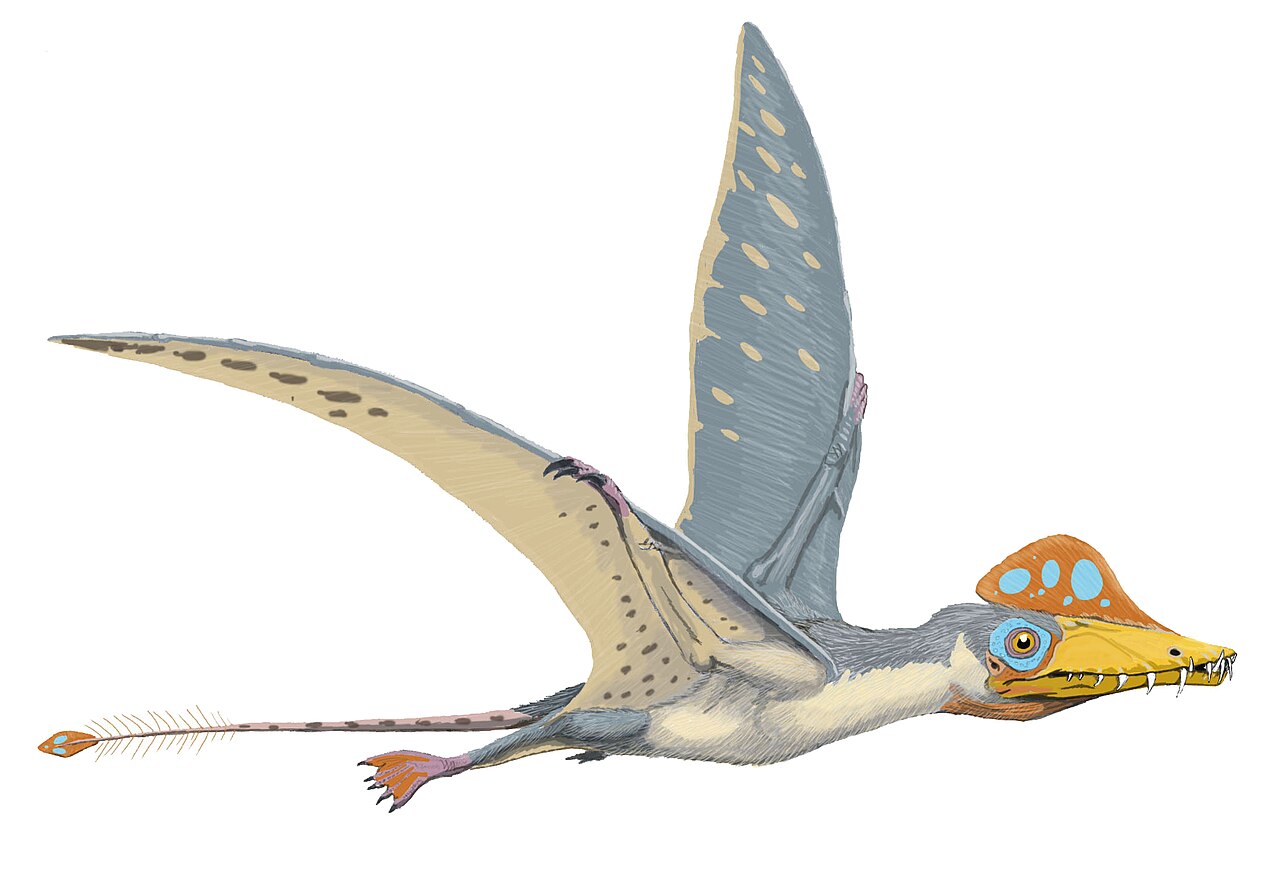
Coloborhynchus is an extinct genus of flying reptile in the broader group of pterosaurs. Fossils attributed to this genus come mainly from Lower Cretaceous deposits and are best known from material found in England and fragments reported from Brazil. Coloborhynchus belongs to a cluster of closely related toothed pterosaurs that includes forms similar to Anhanguera and Ornithocheirus, and it is primarily recognized from parts of the upper jaw and tooth-bearing snout.
Image gallery
10 Images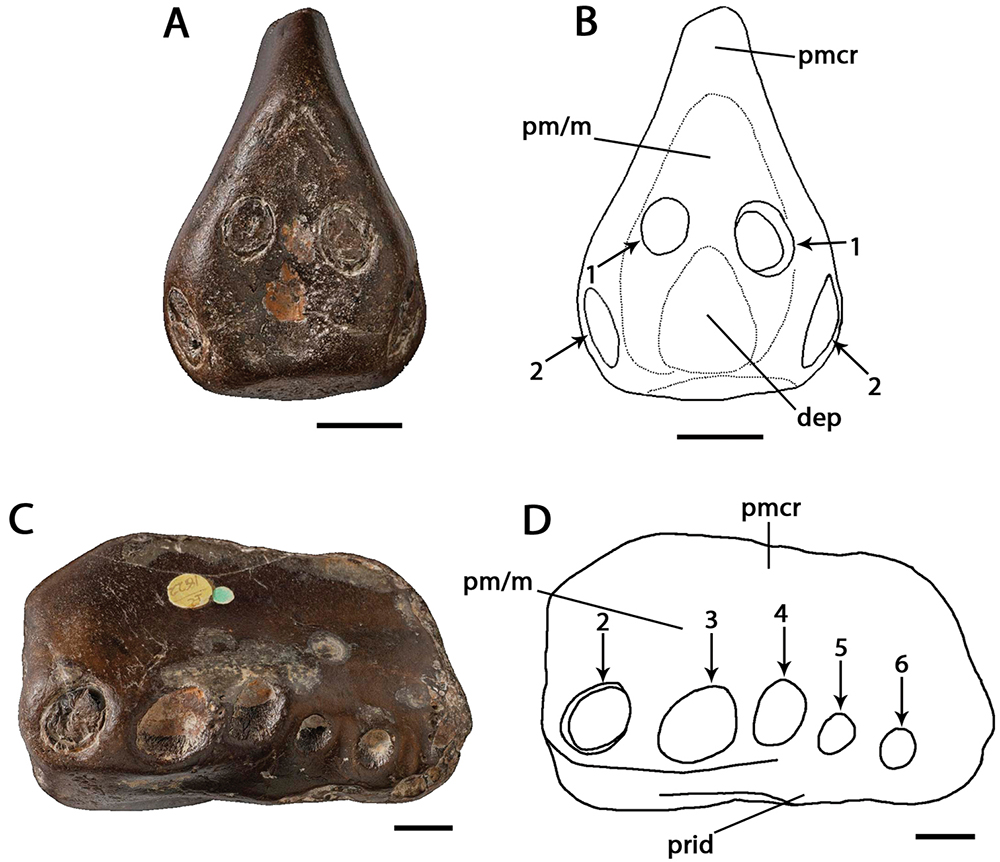





Anatomy and diagnostic features
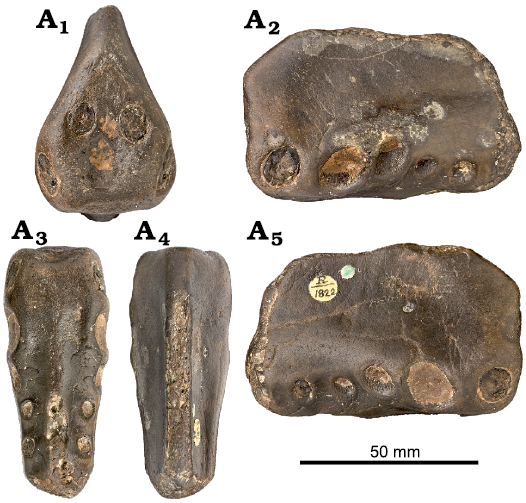
Only partial remains are securely associated with the genus, so identification relies on distinctive features of the snout. The best-known material is an incomplete upper jaw or rostral tip (the type specimen), which shows a unique pattern of tooth sockets. In that specimen the foremost two teeth project forward and sit higher on the jaw than the other teeth; the next several pairs point laterally, and the rearmost pairs trend downward. An oval depression beneath the first tooth pair is another character often used to distinguish Coloborhynchus from related genera.
Key features
- Toothed snout with enlarged anterior teeth forming a rosette-like tip.
- Distinct orientation of tooth sockets (forward, lateral, then downward).
- Presence of a subterminal oval depression or groove beneath the front teeth.
- Fragmentary material limits certainty about crest shape and postcranial anatomy.
Fossil record, distribution and size
Specimens attributed to Coloborhynchus are fragmentary and come from marine or nearshore sediments, consistent with a lifestyle closely associated with coasts and open water. One of the larger and more debated specimens, often referred to under the species name Coloborhynchus capito, is represented by a sizeable jaw tip recovered from the Cambridge Greensand. That bone shows very large tooth bases and, if proportions matched better-known relatives, implies a skull hundreds of millimetres long and a wingspan possibly approaching several metres. Such estimates are necessarily tentative because they depend on comparisons with better-preserved but different genera.
Taxonomy and history of study
The classification of Coloborhynchus has proven complex. Over the years many species have been named, reassigned, or debated by researchers as new fossils and analyses have appeared. Because most specimens are isolated jaw fragments, distinguishing species and separating Coloborhynchus from similar genera is challenging. Consequently, the genus is often discussed in reviews of Ornithocheiridae-like pterosaurs and in broader reassessments of Cretaceous pterosaur diversity.
Paleobiology and significance
Like other toothed, crested pterosaurs, Coloborhynchus was almost certainly piscivorous, using its pointed teeth and often expanded snout tip to catch fish and other small prey near the water surface. Its fossils, though rare and fragmentary, contribute to understanding the diversity of coastal flying reptiles during the Early Cretaceous and illuminate patterns of geographic distribution—bearing on links between European and South American faunas. Ongoing discoveries and comparative studies continue to refine which fossils truly belong to Coloborhynchus and what this animal looked like in life.
For further contextual information, see discussions of related genera and pterosaur paleontology: related genera, Anhanguera, Ornithocheirus, and resources on the pterosaur fossil record.
Questions and answers
Q: What is Coloborhynchus?
A: Coloborhynchus was a type of pterosaur.
Q: Where has Coloborhynchus been found?
A: Coloborhynchus has been found in Lower Cretaceous rocks in England and Brazil.
Q: What is unique about Coloborhynchus?
A: The unique combination of tooth socket positions in Coloborhynchus distinguishes it from its relatives, with the two front teeth pointing forward and higher on the jaw than the other teeth, and the final two pairs of teeth pointing downward.
Q: What is the largest known toothed pterosaur?
A: The possible species Coloborhynchus capito is the largest toothed pterosaur known.
Q: What is unique about the jaw of Coloborhynchus capito?
A: The jaw tip of Coloborhynchus capito is nearly 10 cm tall and 5.6 cm wide, with teeth up to 1.3 cm in base diameter, and displays the typical teeth which distinguish C. capito from other species.
Q: What is the estimated wingspan of Coloborhynchus?
A: The total skull length of Coloborhynchus could have been up to 75 cm, leading to an estimated wingspan of 7 metres (23 ft).
Q: How can Coloborhynchus be distinguished from its relatives?
A: Coloborhynchus can be distinguished from its relatives by its unique combination of tooth socket positions, with the two front teeth pointing forward and being higher on the jaw than the other teeth, while the next three pairs of teeth pointed to the sides, and the final two pairs of teeth pointed downward.
Related articles
Author
AlegsaOnline.com Coloborhynchus — a toothed, crested pterosaur of the Lower Cretaceous Leandro Alegsa
URL: https://en.alegsaonline.com/art/21678
Sources
- dx.doi.org : 10.1016/j.cretres.2011.09.003