
Colobinae: the leaf‑eating Old World monkey subfamily
Colobinae are a subfamily of Old World monkeys notable for folivorous diets, complex stomachs and diverse African and Asian genera including colobus, langurs and odd‑nosed monkeys.
Overview
The Colobinae are a subfamily of primates within the Old World monkey radiation. They comprise numerous tree‑living species collectively adapted to a largely leaf‑based diet. Current treatments recognize about 61 species grouped into 11 genera, including familiar forms such as the Colobus monkeys and the large‑nosed proboscis monkey. The group is conventionally referred to as a subfamily within the family of Old World monkeys.
Image gallery
7 Images

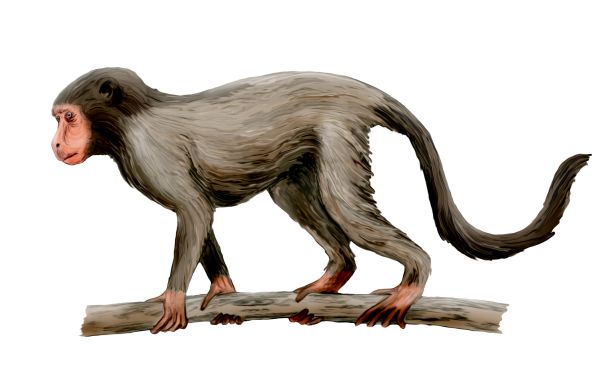
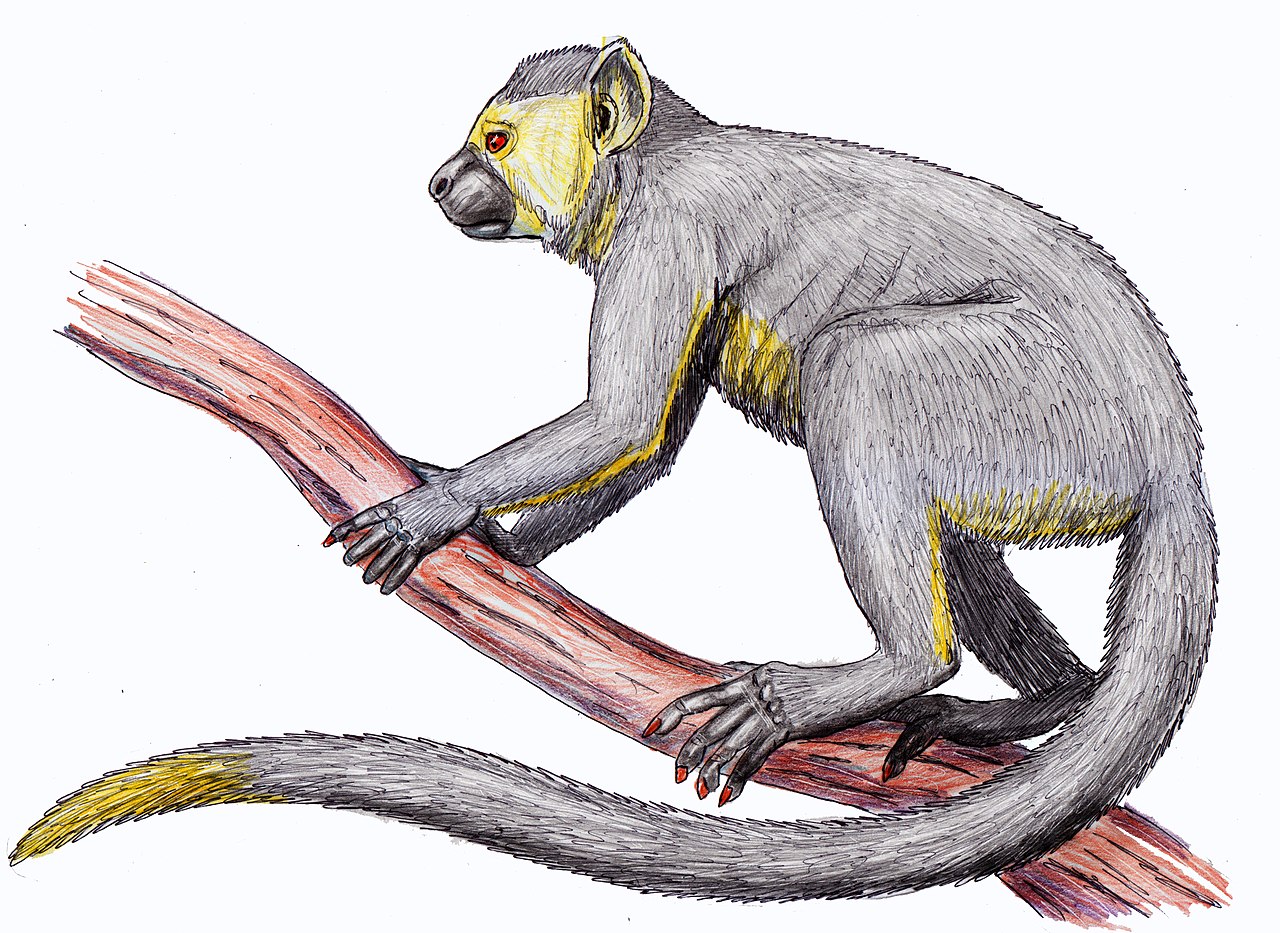


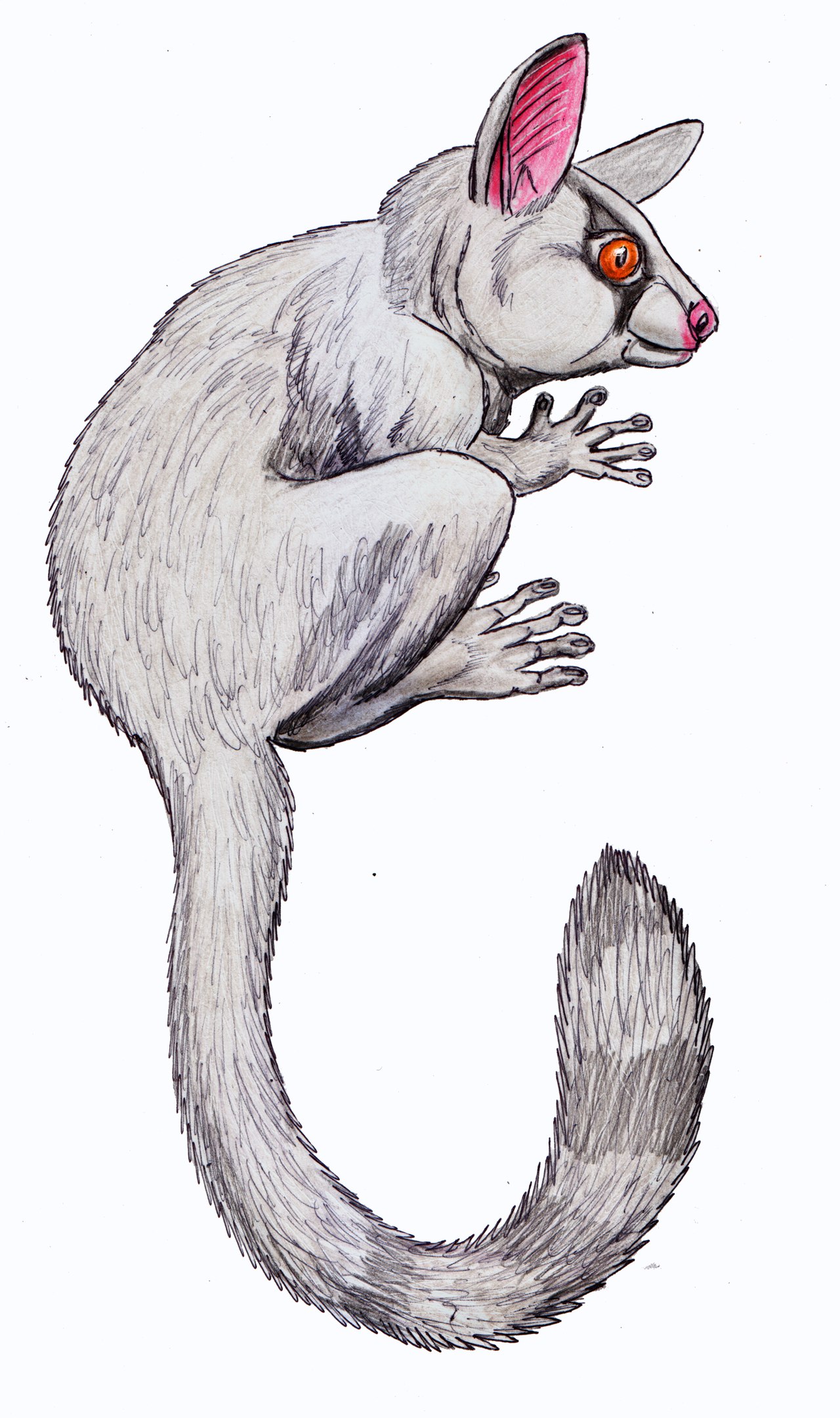
Distinctive anatomy and diet
Colobines are best known for digestive specializations that allow them to extract nutrients from leaves and other fibrous plant material. Many species possess a multi‑chambered, sacculated stomach that houses symbiotic microbes for fermenting cellulose. Dental and jaw features — high‑crowned molars and strong chewing muscles — further suit them for folivory. Several African genera show marked thumb reduction (a tiny or absent thumb) that influences how they grasp and move among branches.
Taxonomy and evolutionary relationships
Classification of Colobinae has varied: some systems split the subfamily into two tribes, others into three groups. All schemes place the three African genera (Colobus, Piliocolobus and Procolobus) together; their Greek‑derived name reflects the shortened thumb (kolobós, “docked”). Asian colobines are commonly separated into langur‑type and so‑called "odd‑nosed" clades. Molecular studies of mitochondrial DNA (mtDNA) support a deep split among Asian lineages, while some genera such as the grey langurs historically occupy uncertain positions in different treatments.
Behavior, ecology and distribution
Colobines are primarily arboreal and occur across much of sub‑Saharan Africa and large parts of South and Southeast Asia. Their folivorous diet shapes daily activity: many spend long periods resting and digesting, interspersed with selective feeding on young leaves, fruits and seeds. Social organization varies by species and ecology — from small family units to larger multi‑male, multi‑female groups — and many species exhibit vocal and visual signals used in group cohesion and territorial displays.
Representative genera
- Colobus (African colobus monkeys)
- Nasalis and other odd‑nosed Asian monkeys
- Piliocolobus and Procolobus (related African genera)
- Langurs (several Asian genera often treated separately)
Conservation and notable facts
Many colobine species face threats from habitat loss, hunting and fragmentation; several are classified as vulnerable or endangered. Their digestive adaptations make them important ecological agents of foliar turnover and sometimes seed dispersal. Colobines are also contrasted repeatedly with the cercopithecine monkeys (the cheek‑pouched group): colobines are more specialized leaf‑eaters with different dentition, digestive anatomy and often reduced thumbs. For further background on broad primate groups and classifications see resources on primate taxonomy (subfamily, Old World monkeys) and molecular studies (mtDNA).
Because the subfamily spans both African and Asian faunas, it remains a focus for studies of biogeography, adaptation to folivory and the evolutionary processes that produce diverse social systems and morphologies across related primates.
For additional reading and species lists consult specialist primatology references and databases (species counts, genera overviews), or accounts of characteristic taxa such as the Colobus and the distinctive proboscis monkey.
Related articles
Author
AlegsaOnline.com Colobinae: the leaf‑eating Old World monkey subfamily Leandro Alegsa
URL: https://en.alegsaonline.com/art/21677
Sources
- ncbi.nlm.nih.gov : PMID 16500120