
Collard greens: cultivation, uses, and characteristics
Collard greens are loose-leaf Brassica oleracea cultivars in the acephala group, prized for large edible leaves. This article covers their traits, history, cultivation, nutrition, and culinary uses.
Overview
Collard greens, often called collards, are loose-leaf cultivars of Brassica oleracea belonging to the acephala group. This group also includes kale and spring greens. Collards are grown for their sizable, dark green, edible leaves rather than a central head. They are an important leafy vegetable in many cuisines and are valued for their hearty texture and ability to tolerate cool weather.
Image gallery
5 Images


Characteristics
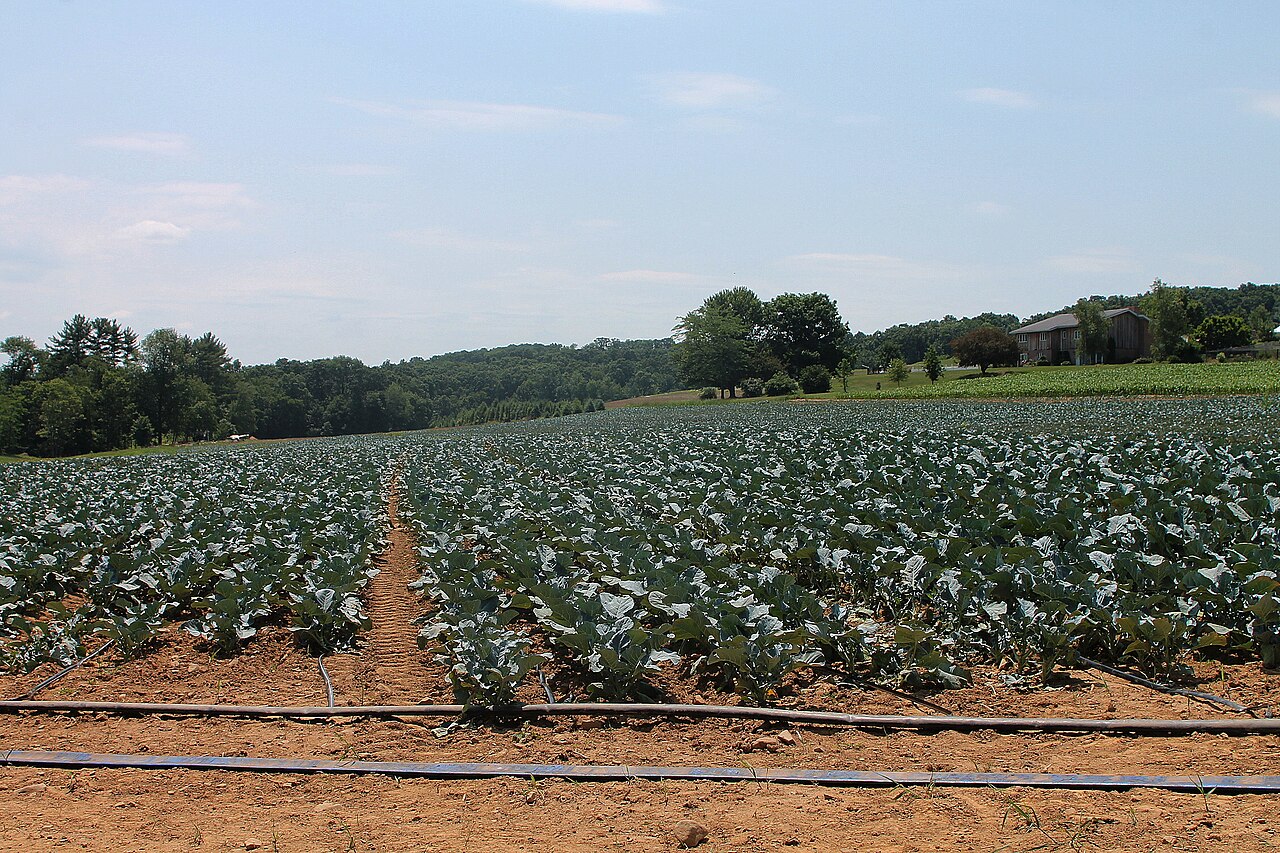
Typical collard leaves are broad, flat, and slightly waxy, with a prominent midrib. Plants form loose rosettes and can reach substantial size before harvest. Leaves are harvested individually, which extends the harvest period. Flavor is mildly bitter and earthy; a light frost often reduces bitterness and can make leaves taste sweeter.
History and origin
Collards derive from the same species that produced other domesticated cole crops and trace their ancestry to wild Brassica populations native to coastal southern and western Europe. They have been cultivated in Europe for centuries and were carried to the Americas by early colonists and enslaved Africans, who helped establish collards in the culinary traditions of the southern United States and parts of the Caribbean.
Uses and nutrition
Collard greens are eaten cooked or, less commonly, raw in salads. Common preparations include braising, boiling, steaming, stir-frying, and slow cooking with smoked or cured meats in traditional dishes. They are rich in vitamins A, C, and K, provide dietary fiber and calcium, and contain phytonutrients associated with Brassica vegetables.
Cultivation and varieties
- Climate: cool-season crop tolerant of light frost; often grown in spring and fall.
- Soil: prefers fertile, well-drained soil with steady moisture.
- Harvest: pick outer leaves as needed; plants may live through multiple seasons in mild climates.
- Varieties: garden types range from traditional southern collards to baby-leaf cultivars; see resources on collard cultivars for selection.
Notable distinctions
Unlike headed cabbages, collards do not form a dense central head. They belong to the acephala (headless) group of B. oleracea, a classification that explains their loose-leaf habit and links them closely to kale and related greens.
Related articles
Author
AlegsaOnline.com Collard greens: cultivation, uses, and characteristics Leandro Alegsa
URL: https://en.alegsaonline.com/art/21559
Sources
- floridata.com : "Brassica Oleracea"
- cdispatch.com : "Amazing Collards"