
Commelinaceae: the dayflower and spiderwort family
A family of monocot flowering plants (around 40 genera, over 600 species) including dayflowers and spiderworts. Mostly herbaceous, widespread in tropical and temperate regions, valued as ornamentals and groundcovers.
Overview
The Commelinaceae are a family of monocotyledonous flowering plants commonly called the dayflower or spiderwort family. It comprises roughly 40 genera and more than 600 species of predominantly herbaceous plants, many of which are familiar as garden ornamentals, houseplants or common weeds.
Image gallery
3 Images

Description and key features
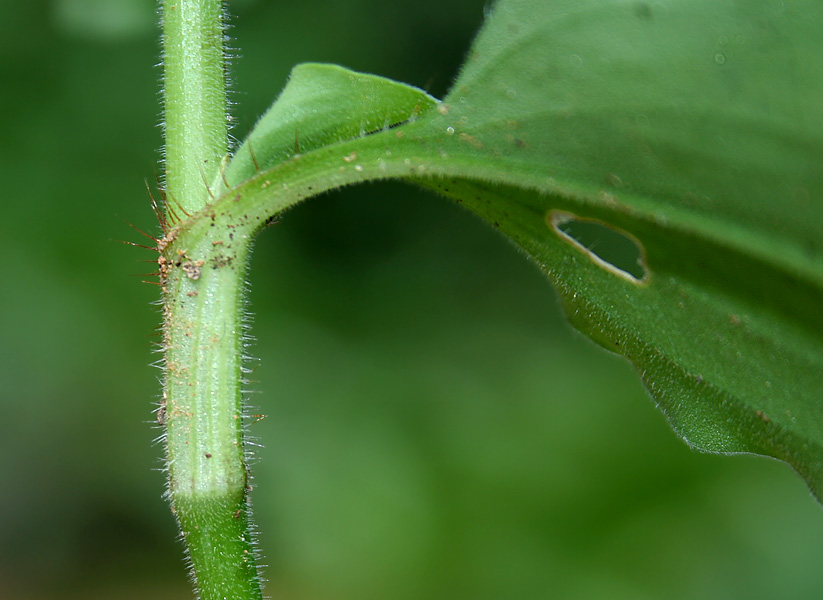
Members of this family are generally perennial or annual herbs with simple, alternate leaves that have a sheathing base and parallel venation typical of monocots. Stems are often succulent or jointed. Flowers are usually showy and trimerous (organized in parts of three), frequently subtended by conspicuous bracts. Inflorescences sometimes occur inside a folded or spathe-like bract. Fruits are most often dry capsules containing multiple seeds.
Notable genera and species
- Commelina — dayflowers, several species are common weeds and have ephemeral blossoms.
- Tradescantia — spiderworts and inch plants, many cultivated for foliage and flowers.
- Other genera commonly cultivated or encountered include Callisia, Cyanotis and Rhoeo.
Distribution and ecology
Commelinaceae are primarily tropical and subtropical but extend into temperate regions across the world. They occur in a wide range of habitats from forest understories and roadsides to disturbed ground and cultivated beds. Flowers attract a variety of pollinators, and some species have seeds adapted for short-distance dispersal by animals or water.
Uses, importance and impacts
Several species are popular as ornamental plants and houseplants because of colorful foliage or persistent flowers; Tradescantia species are common indoor plants and groundcovers. Some species are used in traditional medicine in local contexts. Conversely, a few members of the family behave as invasive weeds in agricultural or natural settings, competing with crops and native vegetation.
Taxonomy, history and further reading
The family belongs to the order Commelinales. The name derives from the genus Commelina, which was named in honor of the Commelijn brothers by Linnaeus. For general summaries and taxonomic treatments see resources on plant families and floras; more specialized literature treats anatomy, pollination biology, and horticultural varieties. For an introductory overview consult Commelinaceae resources and regional floras such as those linked at regional plant guides.
Related articles
Author
AlegsaOnline.com Commelinaceae: the dayflower and spiderwort family Leandro Alegsa
URL: https://en.alegsaonline.com/art/21945