
Classics (classical studies): disciplines, history, and cultural influence
Classics studies the languages, literature, history, art, philosophy and archaeology of ancient Greece and Rome, its scholarly methods, historical development, and continuing cultural impact.
Overview
Classics, often called classical studies, is the academic field that examines the civilizations of ancient Greece and Rome and their wider Mediterranean context. It treats literary works, languages, material culture, institutions and ideas produced in antiquity and considers how they shaped later societies. Scholars in the field are commonly known as classicists.
Image gallery
9 Images



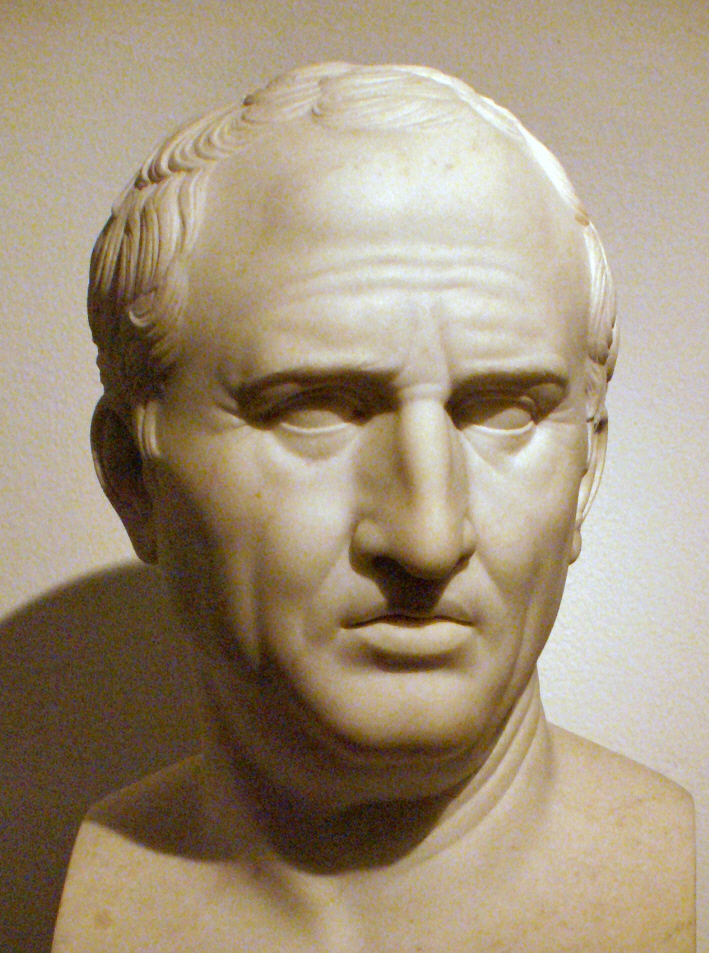
Core subjects and components
Classical studies is interdisciplinary. Core areas include:
- Languages and philology — the study of Ancient Greek and Latin, their grammar and textual transmission.
- Literature — epic, drama, poetry, rhetoric and prose that form the literary canon of antiquity.
- History and institutions — political, social and economic history of city-states, empires and communities.
- Philosophy and thought — ethics, metaphysics, political theory and scientific ideas originating in classical authors.
- Art, architecture and archaeology — material remains, monuments, inscriptions, and artifacts that document ancient life.
Methods and approaches
Classicists use a mix of textual analysis, comparative history, material culture studies and specialized techniques such as epigraphy (inscription study), papyrology (manuscript fragments), and archaeological fieldwork. Reception studies examine how classical texts and images were reused in later ages. Many projects combine close reading of primary texts with evidence from coins, pottery, architectural remains and scientific dating.
History of the discipline
The organized study of classical antiquity has roots in the Renaissance humanist revival of Greek and Roman texts, but it developed into a modern academic discipline during the 18th and 19th centuries. Over time the field broadened from a focus on literary education to encompass archaeology, social history and critical theory. Contemporary classics is more global and methodologically diverse than its origins.
Uses, relevance and debates
Classical studies informs fields such as comparative literature, legal history, philosophy and art history. It contributes to understanding the origins of Western political thought, languages, and artistic conventions while also raising methodological questions about representation, colonialism and the canon. Debates continue about curriculum, access to ancient texts, and how to integrate scientific discoveries with traditional philology.
Further reading and resources
- General introduction to classics
- Overview of classical antiquity
- Classical history resources
- Ancient philosophy and primary texts
- Classical art and architecture
- Historical languages and grammar
- Classical literature collections
- Archaeology of the Mediterranean
- Reception of classics in the modern West
- Ancient Greece resources
- Ancient Rome resources
For those beginning study, a balanced program combines language training with exposure to archaeological reports and modern critical approaches. Classicists continue to refine methods and expand the field’s geographical and thematic scope while maintaining attention to the primary sources that define antiquity.
Related articles
Author
AlegsaOnline.com Classics (classical studies): disciplines, history, and cultural influence Leandro Alegsa
URL: https://en.alegsaonline.com/art/20785