
Antioxidant
Molecules that slow or prevent oxidation by neutralizing free radicals. Present in foods and produced in the body, antioxidants play roles in nutrition, physiology, food preservation and research.
Overview
An antioxidant is a substance that slows or prevents the chemical process of oxidation — the loss of electrons from atoms or molecules — and thereby limits the formation or propagation of reactive species often called free radicals. In biology and nutrition the term describes compounds that reduce oxidative damage to cells, proteins and lipids. Antioxidants occur naturally within organisms and are also obtained from dietary sources or used in industrial applications.
Image gallery
4 Images


How antioxidants work
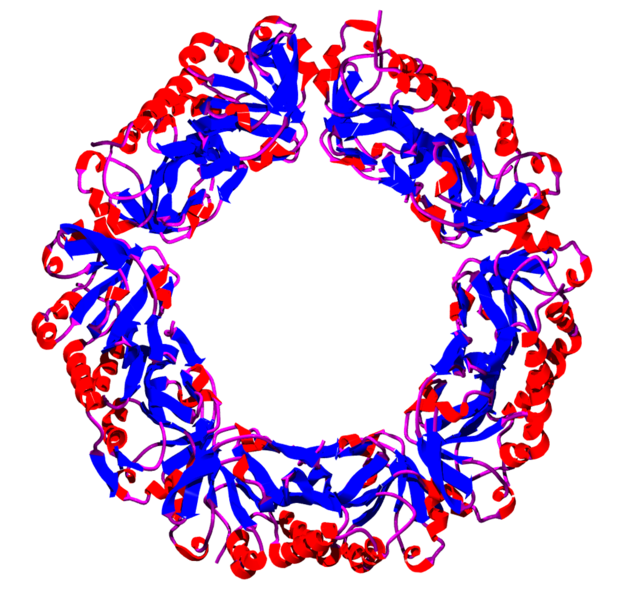
At the molecular level many antioxidants act by donating an electron or a hydrogen atom to a free radical, converting it to a less reactive form and terminating chain reactions of radical formation. Others chelate metal ions that catalyze oxidation or repair damaged molecules. The underlying chemical phenomenon involves electron transfer and stabilization of reactive intermediates. Biological systems combine small-molecule antioxidants with enzyme systems to manage oxidative processes.
Types and common examples
Antioxidants can be classified by origin (endogenous or exogenous) and by chemical nature. Important examples include:
- Endogenous enzymes: superoxide dismutase, catalase and glutathione peroxidase — proteins that catalyze the neutralization of reactive oxygen species.
- Vitamins and small molecules: vitamin C (ascorbic acid), vitamin E (tocopherols and tocotrienols), and glutathione.
- Phytochemicals: carotenoids, flavonoids and other polyphenols found in plant-based foods.
Sources and uses
Dietary antioxidants are abundant in fruits, vegetables, nuts, whole grains, tea and certain beverages. They contribute to food preservation by slowing spoilage and rancidity. In medicine and research antioxidants are studied for potential protective effects against oxidative stress-related conditions; in industry they are added to materials and cosmetics to improve shelf life.
History and development
The concept of antioxidant activity emerged from early 20th-century chemistry and food science, where compounds were identified that prevented rancidity. Over decades the idea expanded into physiology as researchers traced how oxygen-derived species can damage biomolecules and how organisms evolved defensive systems. Interest in dietary antioxidants rose in the late 20th century with increased study of vitamins and plant polyphenols.
Limitations and notable facts
While antioxidants can neutralize harmful radicals, reactive oxygen species also serve important signaling roles in cells; an excess of exogenous antioxidants can sometimes interfere with normal physiology. Clinical evidence for broad health benefits of high-dose antioxidant supplements is mixed, and outcomes depend on dose, form and individual context. Current guidance favors obtaining antioxidants through a balanced diet rich in plant foods rather than routine high-dose supplementation. Research into mechanisms and applications remains active.
Tags
Related articles
Author
AlegsaOnline.com Antioxidant Leandro Alegsa
URL: https://en.alegsaonline.com/art/4677
Sources
- acudoc.com : acudoc.com/Antioxidants.PDF