
B vitamins (B-complex): roles, types, sources and deficiency
Group of eight water‑soluble vitamins essential as coenzymes for metabolism, nervous system and blood; found in varied foods. Covers types, functions, deficiency signs, history and supplementation notes.
Overview
The B vitamins, often called the B vitamin complex, are a set of eight water‑soluble vitamins that play central roles in cellular energy metabolism and other biochemical pathways. They function mainly as coenzymes or as precursors to coenzymes required for the metabolism of carbohydrates, fats and proteins and for maintenance of the nervous and hematologic systems. Their activity is critical within metabolic processes that occur in every living cell.
Image gallery
2 Images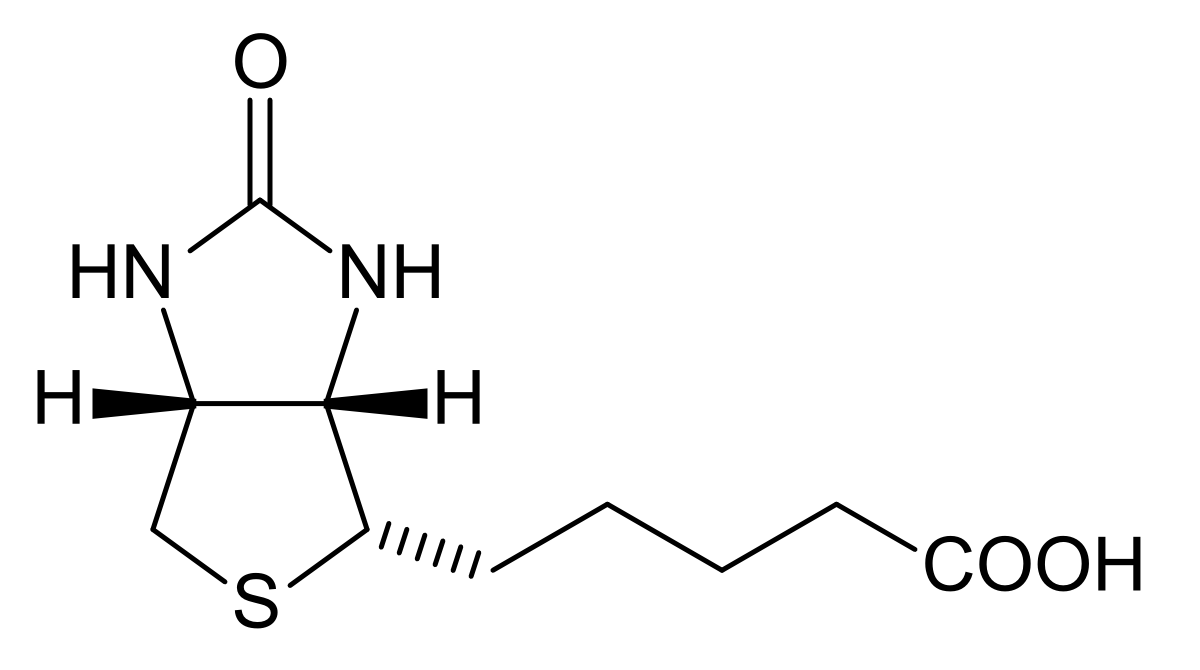

Names and characteristics
The group consists of eight distinct vitamins, each with a common name and specific biochemical roles. Historically they were once thought to be different forms of a single vitamin, in the way other vitamin groups have been reconceptualized (for example Vitamin D), but research showed they are chemically separate substances that frequently coexist in the same foods.
- Vitamin B1 (thiamine) — important for carbohydrate metabolism and nerve function.
- Vitamin B2 (riboflavin) — a component of flavoproteins involved in redox reactions.
- Vitamin B3 (niacin) — precursor of NAD/NADP, central to energy transfer reactions.
- Vitamin B5 (pantothenic acid) — part of coenzyme A, required for fatty acid metabolism.
- Vitamin B6 (pyridoxine and related forms) — involved in amino acid metabolism and neurotransmitter synthesis.
- Vitamin B7 (biotin) — a cofactor for carboxylase enzymes important in lipid and carbohydrate metabolism.
- Vitamin B12 (cobalamin) — essential for DNA synthesis, nervous system health and red blood cell formation; its absorption depends on intrinsic factor.
- Vitamin B9 (folate, folic acid) — required for single‑carbon transfers in nucleotide synthesis and methylation reactions.
Food sources and availability
B vitamins occur widely in both animal and plant foods. Rich sources include meat, milk, eggs, fish, whole grains, legumes and a range of fresh vegetables. Because they are water‑soluble, many B vitamins are leached during prolonged cooking or food processing; certain populations (for example people with restrictive diets, older adults, or those with absorption disorders) are at increased risk of inadequate intake.
Deficiency, clinical importance and history
Deficiencies in specific B vitamins produce distinctive clinical syndromes. Classic examples include beriberi from severe thiamine deficiency, and the neuropsychiatric condition Wernicke–Korsakoff syndrome that is linked to thiamine deficiency in the context of alcohol misuse. Niacin deficiency causes pellagra (dermatitis, diarrhea, dementia), while inadequate folate or vitamin B12 can lead to megaloblastic anemia and neurologic symptoms. Some conditions are grouped as medical syndromes associated with particular deficiencies. Optic neuropathy and peripheral neuropathy can also be consequences of insufficient intake or malabsorption.
Uses, supplementation and safety
When dietary intake is insufficient or absorption is impaired, targeted supplementation corrects deficiency and prevents complications. Multivitamin or B‑complex supplements are widely used for prevention, therapeutic replacement and, in certain settings, to support recovery from deficiency. However, not all B vitamins behave the same when taken in large amounts: for example, high doses of niacin commonly cause flushing and large amounts of pyridoxine (vitamin B6) over prolonged periods have been linked to sensory neuropathy. Vitamin B12 has specific absorption requirements (intrinsic factor) and may need injections when oral absorption is compromised.
Notable distinctions and practical points
Because the B vitamins work in connected pathways, low status of one can influence related processes even when others are adequate. Vegetarians and vegans are commonly advised to monitor vitamin B12 status because reliable dietary B12 is largely found in animal products. Public health measures such as food fortification with folic acid and other B vitamins have been used in many countries to reduce the risk of deficiency‑related disorders. For more detailed technical or clinical references and guidance on diagnosis, treatment and recommended intake, consult authoritative sources and clinical guidelines (overview, metabolism, cellular roles, historical context, thiamine, riboflavin, niacin, pantothenic acid, vitamin B6, vitamin B12, dietary sources, milk and dairy, vegetable sources, syndromes, beriberi).
Understanding the B vitamins as a group helps explain why balanced diets or appropriate supplementation protect energy metabolism, nervous system function and hematologic health. Where deficiency is suspected, laboratory testing and professional medical advice are important to identify which specific vitamin is low and to plan effective treatment.
Questions and answers
Q: What is the B vitamin complex?
A: The B vitamin complex is a group of 8 vitamins that are important for the metabolism of cells.
Q: How many vitamins make up the B vitamin complex?
A: There are 8 vitamins in the B vitamin complex, including Vitamin B1/Thiamine, Vitamin B2/Riboflavin, Vitamin B3/Vitamin P/Vitamin PP/Niacin,Vitamin B5/Pantothenic acid, Vitamin B6, Vitamin B7/Vitamin H/Biotin, Vitamin B9/Vitamin M/Vitamin B-c/Folate and Vitamin B12.
Q: Where can you find these vitamins?
A: These vitamins can be found in meat, milk, whole grains and fresh vegetables.
Q: What are some symptoms of a deficiency in these vitamins?
A: Symptoms of a deficiency in these vitamins include mental problems heart palpitations heart arrhythmias exhaustion paranoia vague fears fear that something dreadful is about to happen nervousness ADD (attention deficiency) inability to concentrate thoughts of dying frustration inability to sleep restlessness tingling in hands tingling fingers and toes crying spells inability to cope soreness all over.
Q: Are there any well-known medical syndromes caused by thiamine deficiencies?
A: Yes, well-known medical syndromes caused by thiamine deficiencies include beri-beri Wernicke–Korsakoff syndrome (WKS) and optic neuropathy.
Tags
Related articles
Author
AlegsaOnline.com B vitamins (B-complex): roles, types, sources and deficiency Leandro Alegsa
URL: https://en.alegsaonline.com/art/7986