
Aerobic organism
An organism that requires or uses molecular oxygen for energy production. Covers types, cellular processes, evolutionary origins, ecological roles, and laboratory distinctions.
Aerobic organisms—often called aerobes—are life forms that use molecular oxygen (O2) in their metabolism. Rather than being limited to microscopic life, aerobes include many bacteria, archaea, fungi, plants and animals. The defining biochemical trait is respiration that employs oxygen as the terminal electron acceptor in the electron transport chain, providing more efficient ATP generation than strictly anaerobic pathways.
Image gallery
1 Image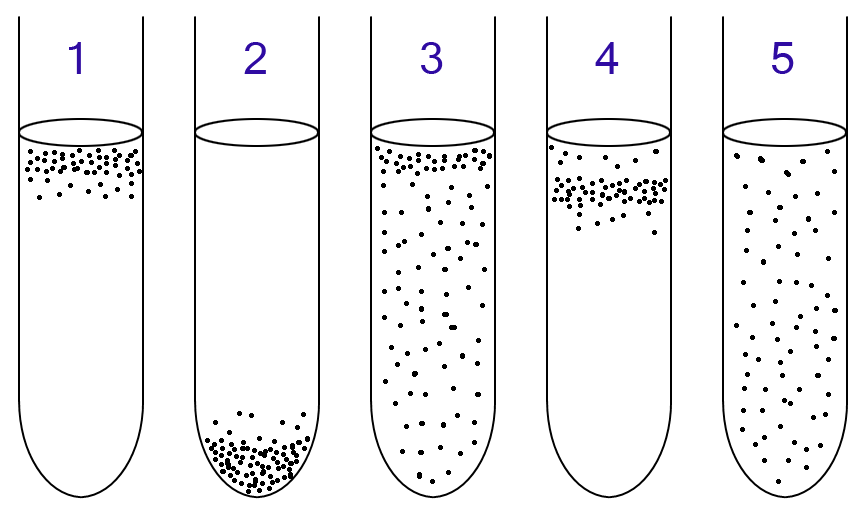
Characteristics and common types
Aerobes differ in how much oxygen they tolerate or require. Common categories include:
- Obligate aerobes: require oxygen for growth and cannot carry out anaerobic respiration.
- Facultative anaerobes: grow better with oxygen but can switch to fermentation or anaerobic respiration when O2 is absent.
- Microaerophiles: need oxygen but at lower concentrations than the atmosphere provides.
- Aerotolerant organisms: ignore oxygen and grow equally well with or without it, using non‑oxygen metabolic pathways.
Origins and evolution
The rise of aerobic metabolism is tied to the evolution of oxygenic photosynthesis and the subsequent increase of atmospheric oxygen during the Great Oxidation Event about 2.4 billion years ago. Access to oxygen enabled organisms to harvest far more energy per organic molecule, which supported greater cellular complexity and the diversification of multicellular life.
Roles, examples and applications
Aerobes play central roles in ecosystems and human activity: they drive decomposition, respiration in plants and animals, and many nutrient cycles. In biotechnology and environmental engineering, aerobic processes are used in composting, activated sludge and aerobic bioreactors for treatment and production. In medical microbiology, oxygen requirements help classify microbes and guide culture conditions; for example, laboratories use specific atmospheres to grow organisms that need reduced or elevated O2 levels. For basic information about oxygen and respiration see oxygen resources and for applied processes consult engineering summaries.
Distinctions and practical identification
A key contrast is with anaerobes, which are harmed or killed by oxygen in some cases because reactive oxygen species damage cellular components. Aerobic organisms commonly possess enzymes such as catalase and superoxide dismutase that detoxify these reactive byproducts. Microbiologists determine oxygen preferences using gradients (e.g., thioglycollate medium), sealed incubators, and specialized culture chambers to reproduce the oxygen levels different organisms need.
Tags
Related articles
Author
AlegsaOnline.com Aerobic organism Leandro Alegsa
URL: https://en.alegsaonline.com/art/1162