
Classicism: the influence of Ancient Greek and Roman art
Classicism is an aesthetic rooted in ancient Greek and Roman models, valuing order, proportion and restraint. It shaped Renaissance, Enlightenment and later Neoclassical movements across many arts.
Overview
Classicism describes an artistic and intellectual approach that draws on ideals associated with Ancient Greece and Rome. It emphasizes harmony, proportion, clarity of form and measured emotion rather than dramatic excess. The term is commonly applied across the arts and to broader cultural tastes that favor balance, tradition and formal discipline.
Image gallery
8 Images


Key characteristics
Works described as classical typically exhibit several recurring traits: a clear compositional structure, reverence for symmetry and geometric proportion, restraint in emotional display, and an interest in timeless ideals such as beauty and civic virtue. Classicism often uses examples from antiquity as models to be imitated or adapted rather than copied literally.
History and development
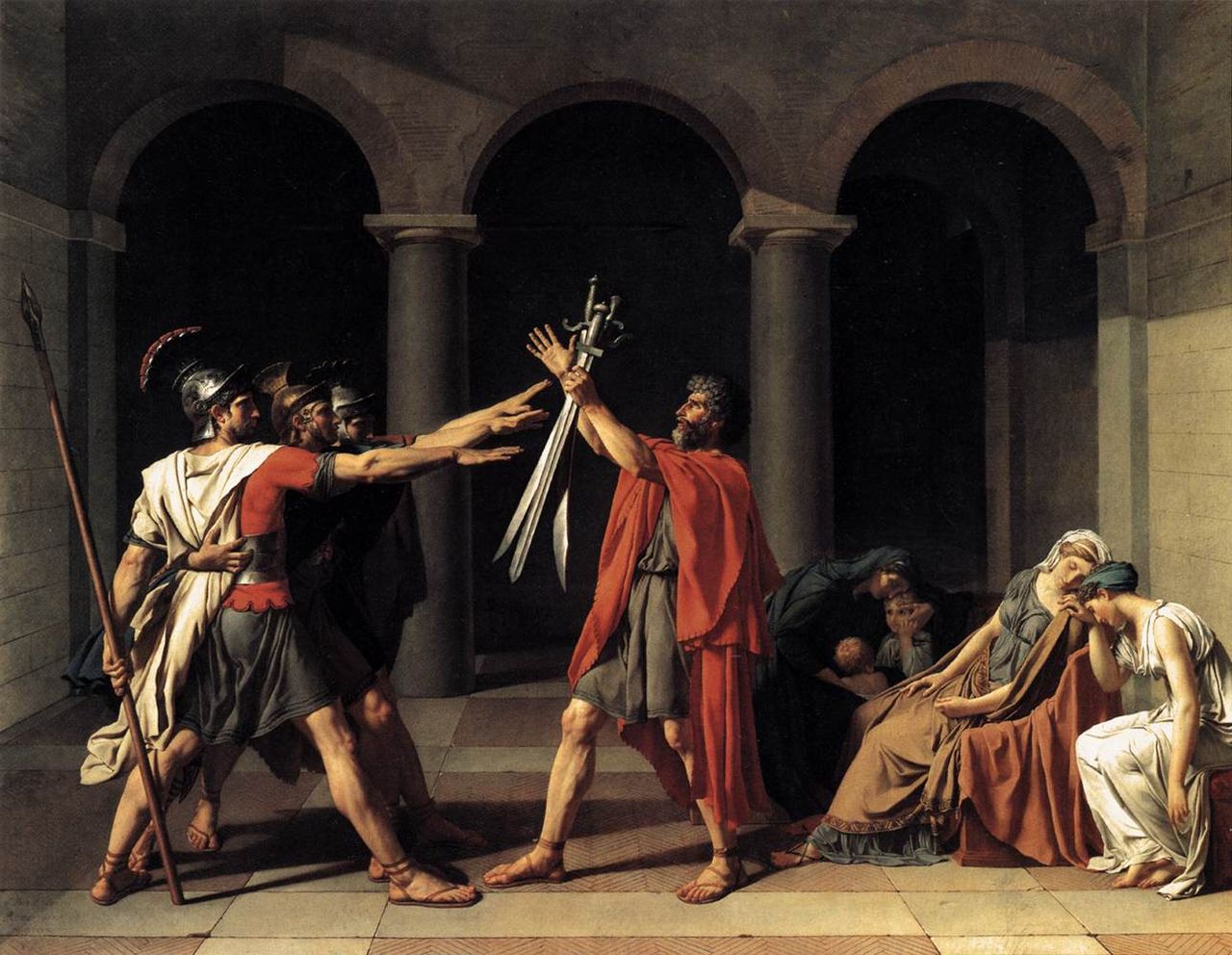
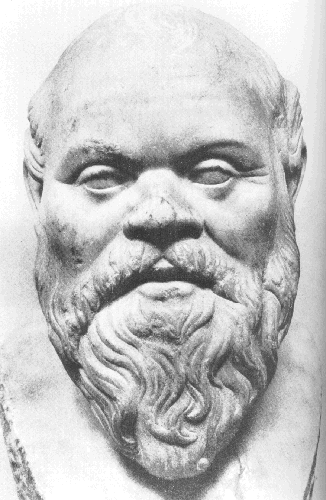
Classical models originate in the literature, philosophy, sculpture and architecture of the Greco-Roman world. Those ideals were revived and reinterpreted at several moments in later European history. During the Renaissance in Italy, artists and thinkers studied ancient texts and ruins to rebuild artistic technique and theory. In the 17th and 18th centuries classical principles were debated during the Enlightenment and the broader European cultural sphere, and they underpinned the 18th-century Neoclassical movement that reacted against ornate Baroque and Rococo styles. Elements of classicism also reappeared within some strains of Modernism, often as a counterpoint to experimentation.
Forms and examples
Classicism is not limited to visual arts. It informs painting (painting), sculpture (sculpture) and architecture, where columns, pediments and proportional modules recall ancient building practices. It also shaped music (music), dance (dance), literature (literature), and philosophical discourse (philosophy), producing works that favor clarity, formal unity and ethical themes. Examples range from Renaissance frescoes that adopt ancient narrative modes to Neoclassical civic monuments and eighteenth-century stage drama that invokes classical plots and unities.
Importance and distinctions
Classicism served both as a source of technical standards and as an ideological ideal: it legitimized certain educational curricula and public art while promoting civic values. It is often contrasted with movements that prize emotional intensity or individual expression, such as Romanticism or some forms of Baroque art. Scholars distinguish between direct archaeological imitation, academic classicism taught in academies, and broader classical taste that can be adapted across periods and styles.
Legacy
Today classicism remains a reference point in art education, preservation and public architecture. Its vocabulary—columns, symmetry, narrative restraint—continues to be used, revived and reinterpreted in diverse contexts. For introductions and further reading consult general resources on classical art and its later revivals, or explore specialized studies on particular periods and disciplines.
Tags
Related articles
Author
AlegsaOnline.com Classicism: the influence of Ancient Greek and Roman art Leandro Alegsa
URL: https://en.alegsaonline.com/art/20784