
Chlorite (ClO2−): chemistry, preparation, uses and safety
Chlorite is the ClO2− oxyanion with chlorine in oxidation state +3. Common as salts (notably sodium chlorite), it is an oxidizer used in bleaching and disinfection and requires careful handling and regulation.
Overview
Chlorite refers to the oxyanion ClO2−, the conjugate base of chlorous acid. In this anion chlorine is formally in the +3 oxidation state. Chlorite occurs most commonly as stable salts, of which sodium chlorite is the principal commercial example. In chemical literature the name can refer either to the free ion or to crystalline salts that contain it.
Image gallery
6 Images


Structure and chemical properties
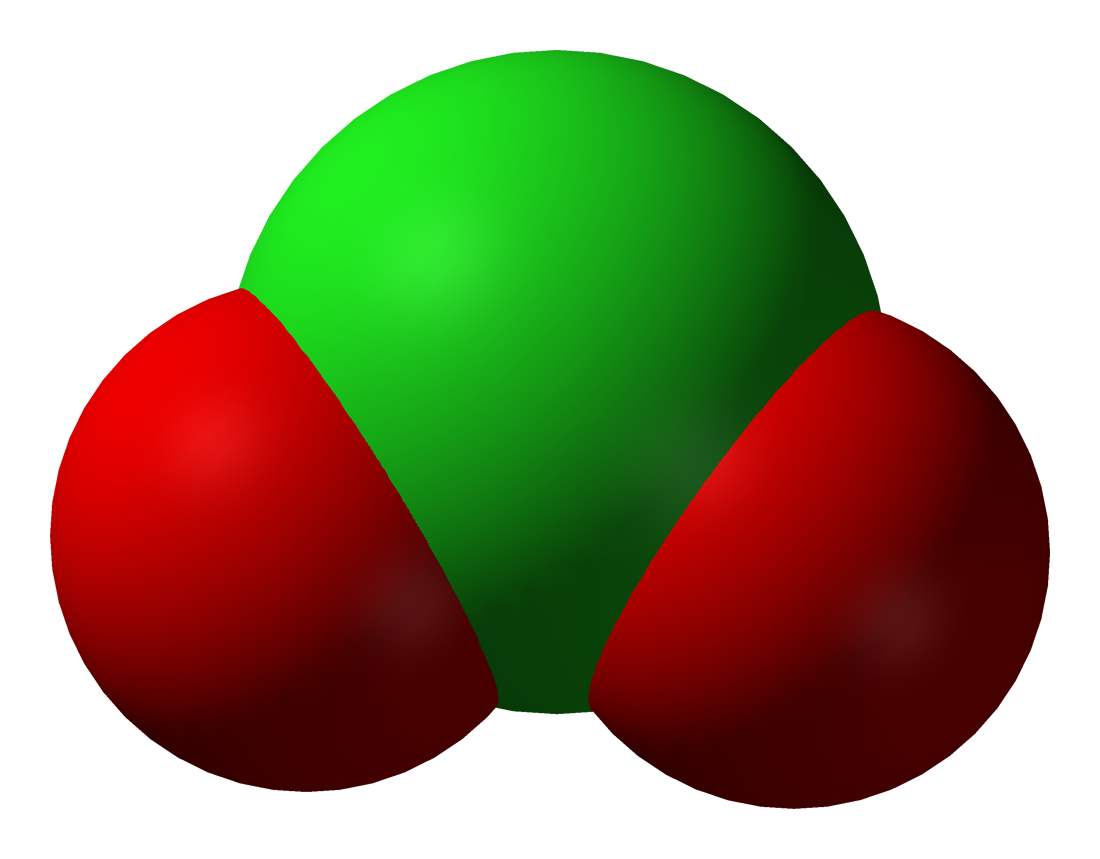
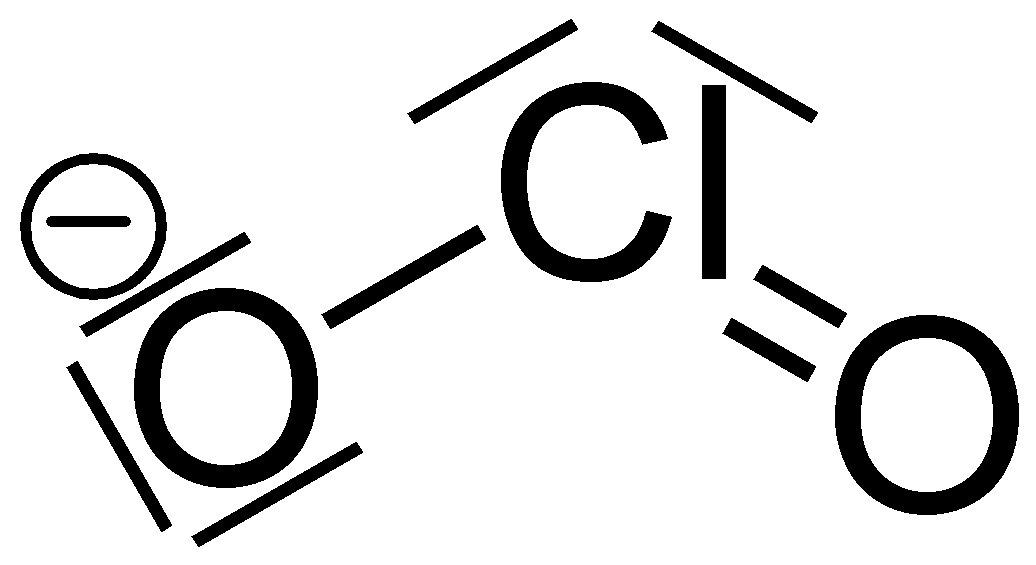
The chlorite ion is an oxyanion in which a central chlorine is bonded to two oxygen atoms; resonance and electron distribution give it a bent geometry rather than a linear shape. Chlorite is an oxidizing species: in redox series of chlorine oxyanions it lies between hypochlorite (lower oxidation state) and chlorate and perchlorate (higher states). As an oxidizer it can accept electrons in reactions with reducing agents and organic substrates, and its behaviour depends strongly on pH and surrounding redox conditions.
Preparation
Commercial and laboratory production of chlorite salts uses a few common routes. One industrial method is to dissolve or absorb chlorine dioxide into an alkaline solution to give chlorite. Another route reduces chlorate compounds under controlled conditions to yield chlorite; for example, reduction with reagents such as hydrogen peroxide is documented. Careful control of pH and reagents is needed to avoid evolution of chlorine dioxide gas or further reduction to chloride. Chlorite is available commercially as salts such as sodium chlorite and as other alkali or alkaline-earth chlorite salts.
Uses and applications
Chlorite salts are used primarily for their oxidizing properties. Sodium chlorite is widely used in pulp and paper bleaching, textile processing and as a precursor for in situ generation of oxidizing species in water treatment and disinfection when used under controlled conditions. In analytical and synthetic chemistry chlorite can act as an oxidant for specific transformations. When acidified, solutions of chlorite can produce active oxidizing species, including chlorine dioxide, which is itself used as a bleaching and disinfecting agent.
Reactivity and related species
It is important to distinguish the chlorite ion from related chlorine-oxygen species: the chlorite ion (ClO2−) differs from molecular chlorine dioxide (ClO2) and from chlorate (ClO3−) and perchlorate (ClO4−). Chlorite derives from chlorous acid and can form salts often described simply as chlorite salts. Because chlorite is an oxidizing agent, it participates in redox equilibria and can be reduced to chloride or oxidized under the right conditions.
Safety, hazards and handling
Chlorite compounds are oxidizers and can increase the risk of fire or explosion if mixed with organic materials or strong reducing agents; some chlorite salts are shock-sensitive or have hazardous decomposition behaviours. Acidifying chlorite solutions can generate chlorine dioxide, a reactive gas with respiratory and explosive hazards. For these reasons, chlorite products require appropriate personal protective equipment, storage away from incompatible substances, and adherence to handling regulations and guidelines.
Environmental and regulatory considerations
Because chlorite and its reaction products can affect water quality, many jurisdictions apply limits or controls on chlorite concentrations in drinking water and on its use in treatment processes. Disposal and release to the environment should follow local regulations. Monitoring methods such as redox-based tests and instrumental techniques are used to quantify chlorite in process streams and environmental samples.
Analysis and detection
Determination of chlorite in laboratory or environmental samples commonly uses ion-selective techniques and instrumental methods such as ion chromatography, often complemented by chemical titration approaches under defined conditions. Accurate analysis typically requires attention to interferences from other chlorine oxyanions and control of sample pH.
Other notes and distinctions
The name chlorite can be confused with the chlorite mineral group (a class of phyllosilicate minerals); these are unrelated chemically to the ClO2− oxyanion and should not be conflated. Common chlorite salts besides sodium chlorite include potassium and calcium chlorites; their properties vary with the cation present. Overall, chlorite is a useful but reactive oxidant whose applications and risks require informed controls.
For further technical details and safety data, consult material safety resources and technical literature specific to the chlorite salt you are using, and follow applicable regulations in your region. More information on related species and reaction pathways can be found in specialist inorganic chemistry texts and regulatory guidance documents.
See also: chlorite ion reference, oxidizing agents overview, chlorine oxidation states, chlorite salts, chlorous acid, chlorine dioxide, alkaline media, reduction methods, chlorate, hydrogen peroxide, sodium chlorite.
Related articles
Author
AlegsaOnline.com Chlorite (ClO2−): chemistry, preparation, uses and safety Leandro Alegsa
URL: https://en.alegsaonline.com/art/19894