
Chloroform (trichloromethane): properties, uses, history and safety
Comprehensive overview of chloroform (trichloromethane): chemical identity, physical characteristics, historical role as an anesthetic, industrial uses including PTFE production, and health and safety issues.
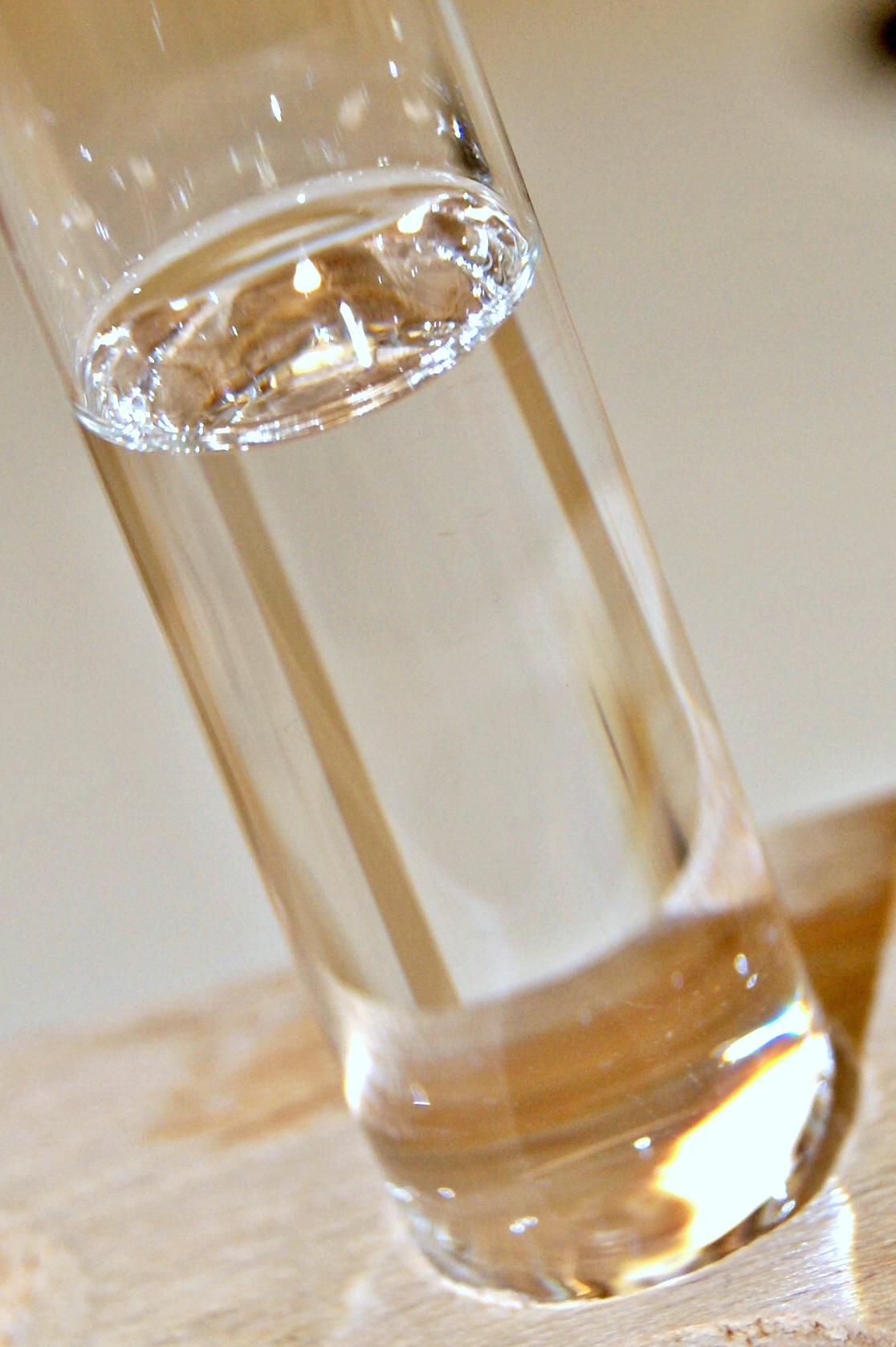
Chloroform, also known by its systematic name trichloromethane (chemical formula CHCl3), is a volatile, colorless liquid with a distinctive sweet odor. It is an organic compound and widely recognized in chemistry and industry for its solvent properties. Historically and in modern reference works it is described simply as a chemical substance of significant practical interest.
Image gallery
7 Images


Physical and chemical characteristics
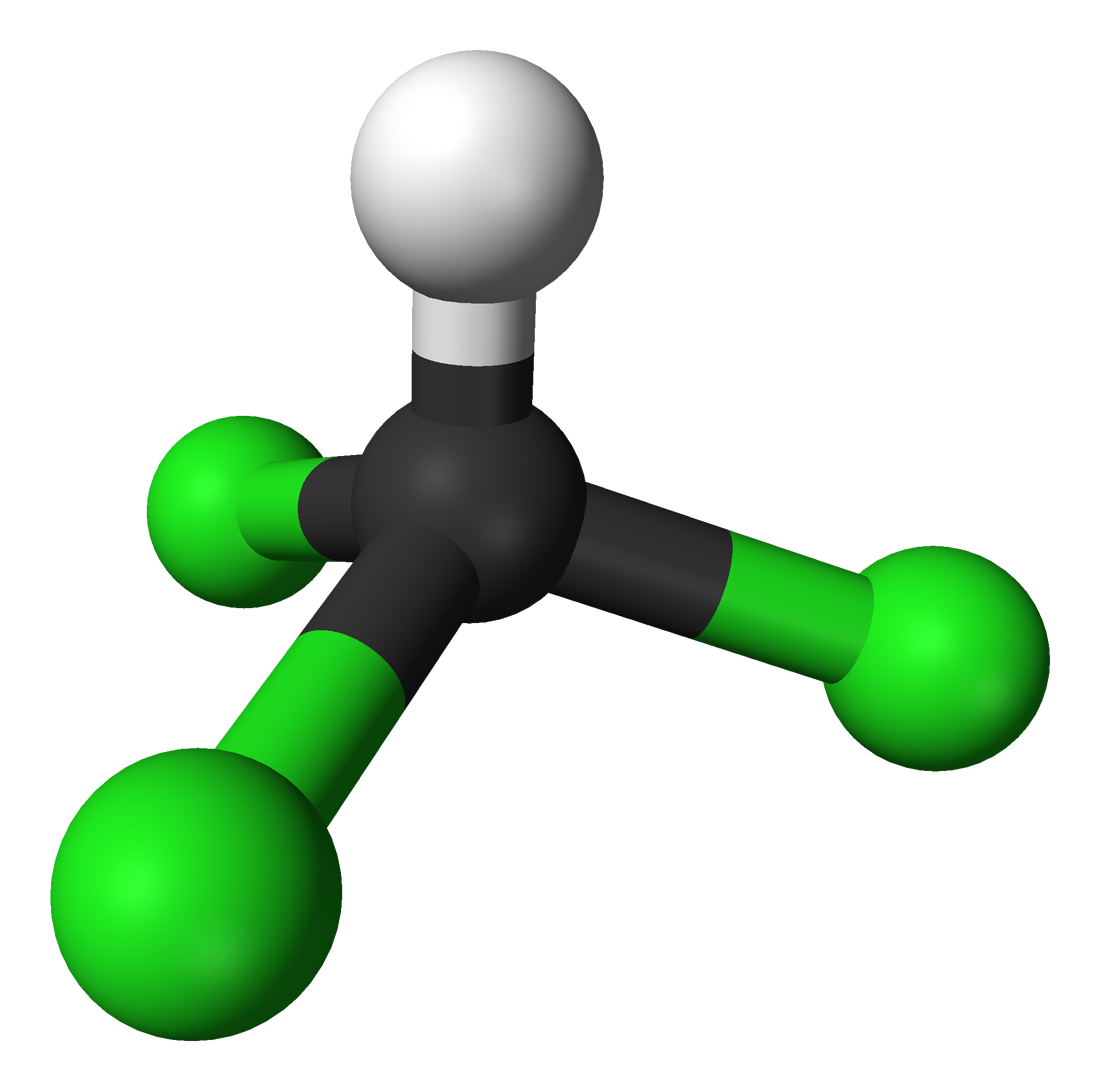
Chloroform is heavier than water and only sparingly soluble in it; it evaporates readily at room temperature. It is relatively non-flammable under normal conditions, but it can react or degrade to form hazardous byproducts if exposed to air and light over time. In structure it contains one carbon atom bonded to one hydrogen and three chlorine atoms (hence "tri"chloromethane). Its reactivity makes it useful in many organic reactions and separations.
History and medical use
In the 19th century chloroform became widely used as a general anesthetic and was celebrated for its rapid induction of unconsciousness. Its use was popular in surgery and obstetrics for a time, but concerns about unpredictable toxicity, including cardiac complications and sudden death, led to its abandonment as a routine anesthetic. A readable historical perspective notes this medical role and its eventual replacement by safer agents; see an overview on historical anesthetics.
Industrial production and applications
Today chloroform is produced industrially, often as a result of controlled chlorination reactions, and has several applications. It serves as a solvent in laboratories and industry — for example in extraction procedures and certain synthetic steps — and as an intermediate in manufacture of other chemicals. One notable industrial link is its role as a precursor or intermediate in processes related to polytetrafluoroethylene (PTFE), commercially known as Teflon. Chloroform's solvent uses are commonly referenced in chemical supply information about solvents.
Uses, distinctions and examples
- Common laboratory use: organic extractions, reagent carrier and chromatography solvent.
- Industrial intermediates: feedstock for the synthesis of other chlorinated compounds and fluorochemical precursors.
- Distinct from related chemicals such as carbon tetrachloride and methylene chloride in toxicity profile and reactivity; it is properly called trichloromethane to distinguish it from other chlorinated methanes (compound comparisons).
Health, environmental and regulatory considerations
Chloroform is a central nervous system depressant; acute exposure can cause dizziness, nausea and loss of consciousness. Chronic or high-level exposure has been associated with liver and kidney damage and is treated cautiously by regulatory agencies as a potential carcinogen. It can also degrade to form phosgene and other harmful byproducts if stored improperly, so stabilized grades and controlled storage are standard practice. Use is subject to workplace controls, handling precautions and environmental regulations in many jurisdictions.
For topical chemical summaries and safety guidelines see general references on solvents and anesthetic history: chemical summaries, organic compound guides, and industry notes on solvents and intermediates solvent information, PTFE production. Further background on historical medical use is available here.
Questions and answers
Q: What is chloroform?
A: Chloroform is a chemical substance that belongs to the class of organic compounds.
Q: What is the alternative name for chloroform?
A: Chloroform is also known as trichloromethane.
Q: What is chloroform used for?
A: Chloroform is used as a solvent and was previously used as an anesthetic in the 19th century.
Q: In what process is chloroform an intermediate substance?
A: Chloroform is an intermediate substance in the production of Polytetrafluoroethylene, which is commonly referred to as Teflon.
Q: Is chloroform a naturally occurring substance?
A: Chloroform is not a naturally occurring substance but is instead made through chemical synthesis.
Q: Is chloroform still used as an anesthetic today?
A: Chloroform is not commonly used as an anesthetic today due to its potential harmful effects on the liver and kidneys.
Q: What is the main use of chloroform today?
A: The main use of chloroform today is as a solvent in various industries such as pharmaceuticals, pesticides, and plastic manufacturing.
Related articles
Author
AlegsaOnline.com Chloroform (trichloromethane): properties, uses, history and safety Leandro Alegsa
URL: https://en.alegsaonline.com/art/19897
Sources
- discoveriesinmedicine.com : "Chloroform - used, first, anesthetic, blood, body, Anesthetic Chloroform, Simpson Discovers Chloroforms Potency"
- doi.org : 10.1002/jlac.18320010203
- doi.org : 10.1002/andp.18341074103