
Sodium chlorite: properties, uses, and safety overview
An accessible summary of sodium chlorite (NaClO2): its chemistry, common applications, handling precautions, and how it differs from related chlorine oxyanions.
Overview
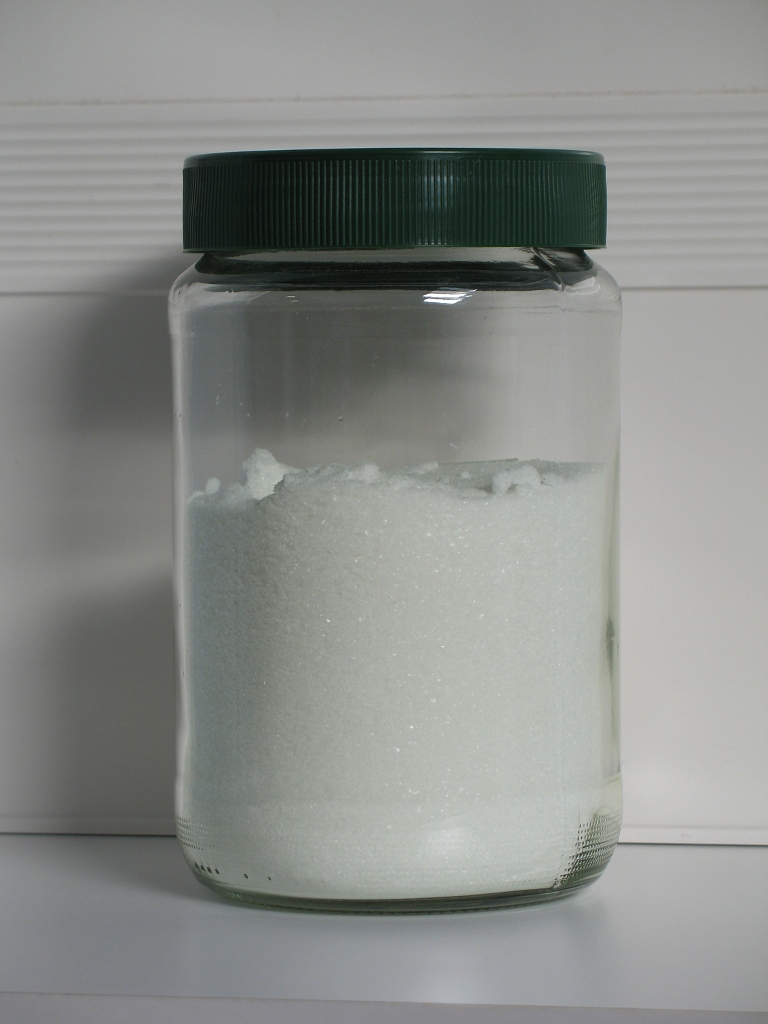
Sodium chlorite is an inorganic compound with the formula NaClO2. It is the sodium salt of chlorous acid and appears as a white to slightly yellowish crystalline powder in its typical commercial form. It functions primarily as an oxidizing agent and is used in industrial and municipal processes that take advantage of its ability to produce chlorine dioxide under controlled conditions. For general chemical data see compound reference.
Image gallery
4 Images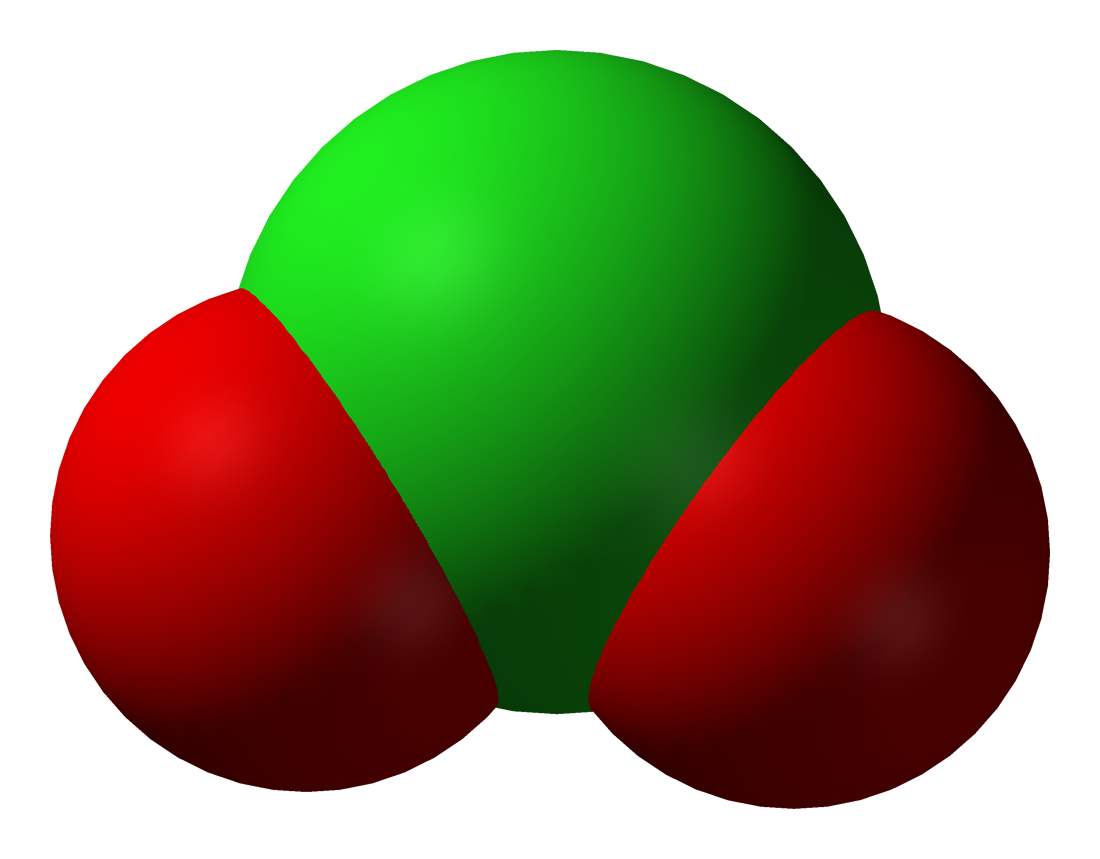


Chemical characteristics
The substance comprises sodium cations and chlorite anions; the latter contain chlorine in the +3 oxidation state. Key practical properties include high solubility in water and strong oxidizing behavior, especially when acidified. Important identifiers and related ions include the sodium ion and the chlorite ion. Sodium chlorite differs from sodium chlorate and sodium hypochlorite by chlorine oxidation state and reactivity.
Production and historical notes
Sodium chlorite is produced industrially from chlorine dioxide or by reduction of higher oxidation-state chlorine compounds. It entered broader commercial use in the 20th century as demand grew for bleaching agents and disinfectants that could generate chlorine dioxide on site. Its manufacture and distribution are regulated to ensure purity and to limit hazardous byproducts.
Uses and examples
- Generation of chlorine dioxide for bleaching of pulp and paper and for some water-treatment processes.
- Intermediate in chemical synthesis and specialty disinfection applications where a controlled oxidant is needed.
- Occasional use in odor control, textile processing, and sanitation within industrial settings.
Handling, hazards, and distinctions
Sodium chlorite is an oxidizer and can enhance combustion of organic material; it may liberate toxic chlorine dioxide gas if mixed with strong acids or reducers. Typical safety measures include wearing appropriate personal protective equipment, storing away from acids and combustible materials, and following the supplier's safety data sheet and local regulations. For safety guidance consult safety resources.
Notable distinctions: do not confuse sodium chlorite with common table salt (sodium chloride) or with sodium chlorate/hypochlorite; each has different oxidation states of chlorine and different uses and hazards.
Related articles
Author
AlegsaOnline.com Sodium chlorite: properties, uses, and safety overview Leandro Alegsa
URL: https://en.alegsaonline.com/art/91523