
Charlie Hebdo — French satirical weekly: history, controversies and impact
Charlie Hebdo is a French satirical weekly known for irreverent cartoons and political commentary. This article summarizes its origins, editorial stance, controversies, the 2015 attack and ongoing debates about free expression.
Charlie Hebdo is a French satirical weekly magazine best known for irreverent cartoons, opinion pieces and investigative sketches that target politics, religion and social institutions. Launched in 1970 by contributors who had previously worked on other satirical titles, it developed a distinctive aesthetic combining bold cartooning with provocative editorial lines. The publication participates in a long French tradition of satirical press that uses humour and caricature to question authority.
Image gallery
9 Images


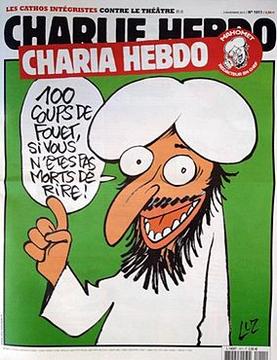
Editorial character and content
The magazine publishes cartoons, columns and short reports; many pieces are drawn by regular and guest cartoonists. Its visual work is part of a broader practice of cartooning and caricature, tools that exaggerate features to make political or social points. Ideologically, Charlie Hebdo has been associated with leftist and anti-authoritarian positions and often deploys political satire aimed at parties, institutions and public figures. In the French context its approach is connected to a tradition of anti-clericalism and vigorous public debate over secularism (laïcité).
Controversies and legal context
Because Charlie Hebdo targets religion as well as politics, it has sparked recurrent controversy. Critics accuse it of offending minority communities, while defenders argue the magazine treats all religions and ideologies as legitimate subjects of satire. These disputes intersect with French laws on hate speech, libel and religious defamation and have produced legal complaints and public debates. The magazine’s work shows the tension between satire’s irreverence and protections against incitement; this tension shapes editorial decisions and court rulings alike.
The 2015 attack and immediate aftermath
On 7 January 2015 gunmen attacked the magazine’s Paris office in an assault that killed staff and visitors and shocked audiences worldwide. The attackers said they were avenging published depictions of the Prophet Muhammad, a claim that linked the violence to extremist motivations. The event provoked an outpouring of solidarity—often summarized by the slogan “Je suis Charlie”—as well as renewed international reflection on the limits and responsibilities of satirical speech. Coverage and commentary invoked themes of the 2015 attack, responses by Islamist militants identified with the assault, and questions about security for journalists.
Legacy and ongoing debates
After the attack the magazine continued to publish and remained central to debates about freedom of expression, press safety and multicultural coexistence. Supporters emphasize satire’s democratic role in challenging power and hypocrisy; opponents point to the pain caused by certain depictions and call for sensitivity. The discussion involves legal, ethical and cultural dimensions of democratic debate and shows how a single publication can influence wider conversations about rights, responsibilities and the public sphere.
- Origins: post-1968 French satire and the magazine’s founding figures linked to earlier titles (founders).
- Format: weekly issues combining cartoons, essays and columns.
- Recurring theme: equal-opportunity mockery of institutions and personalities.
Charlie Hebdo remains a polarizing but influential voice in modern French media, illustrating how satire, law and social values interact in contemporary democracies.
Related articles
Author
AlegsaOnline.com Charlie Hebdo — French satirical weekly: history, controversies and impact Leandro Alegsa
URL: https://en.alegsaonline.com/art/18807