
Cheka: The Soviet Revolutionary Security Service
The Cheka was the Bolshevik 'extraordinary commission' formed in December 1917 to combat counter‑revolution and sabotage; it pioneered practices later used by Soviet security services.
The Cheka was established on 20 December 1917 as an "extraordinary" security commission tasked with defending the new Bolshevik regime. Created by decree and reporting to the Soviet government, it became the first centralized Soviet state security organization. Its initial leader was Felix Dzerzhinsky, a Bolshevik often associated with the agency's rigid discipline and uncompromising methods; references to him sometimes use the name Felix Dzerzhinsky.
Image gallery
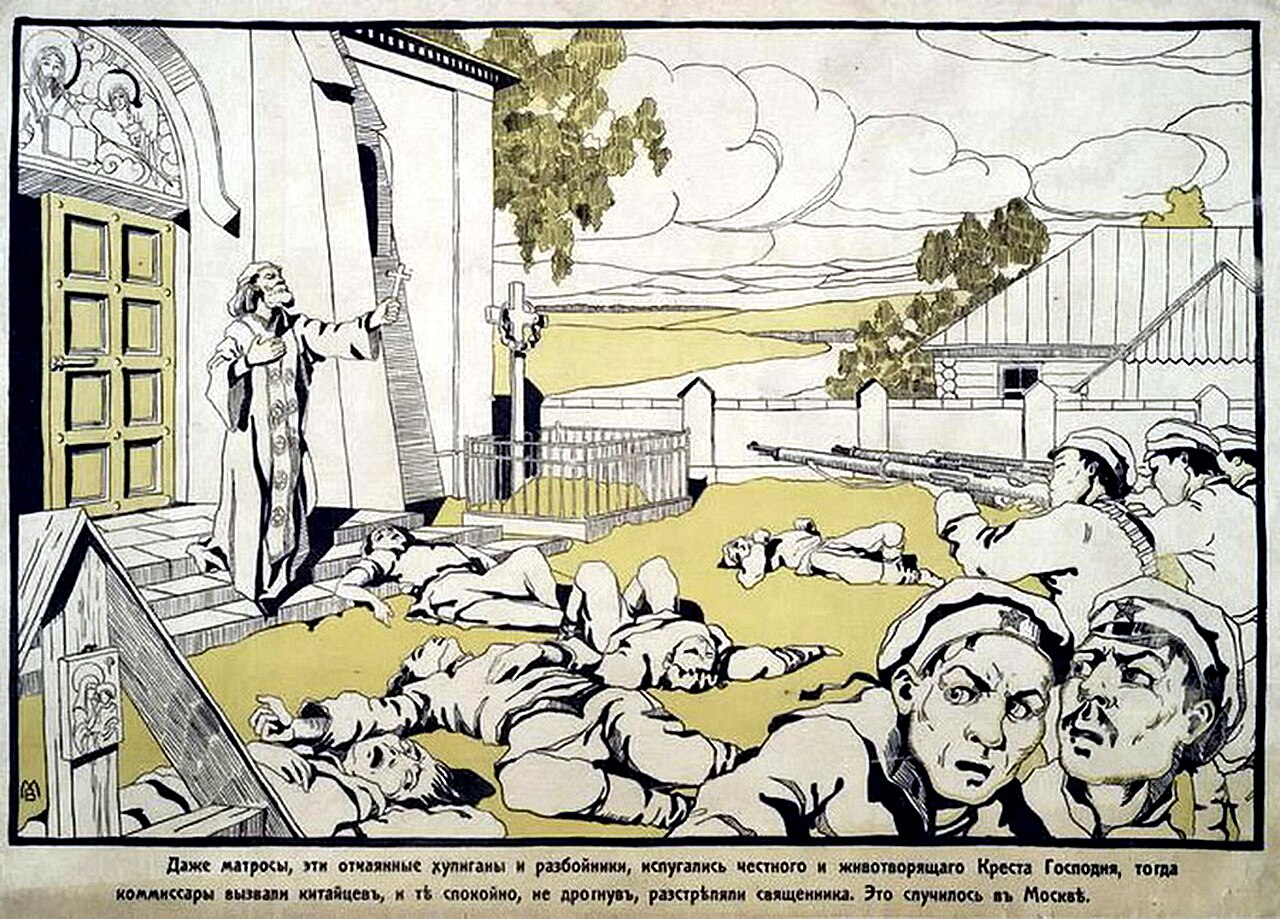
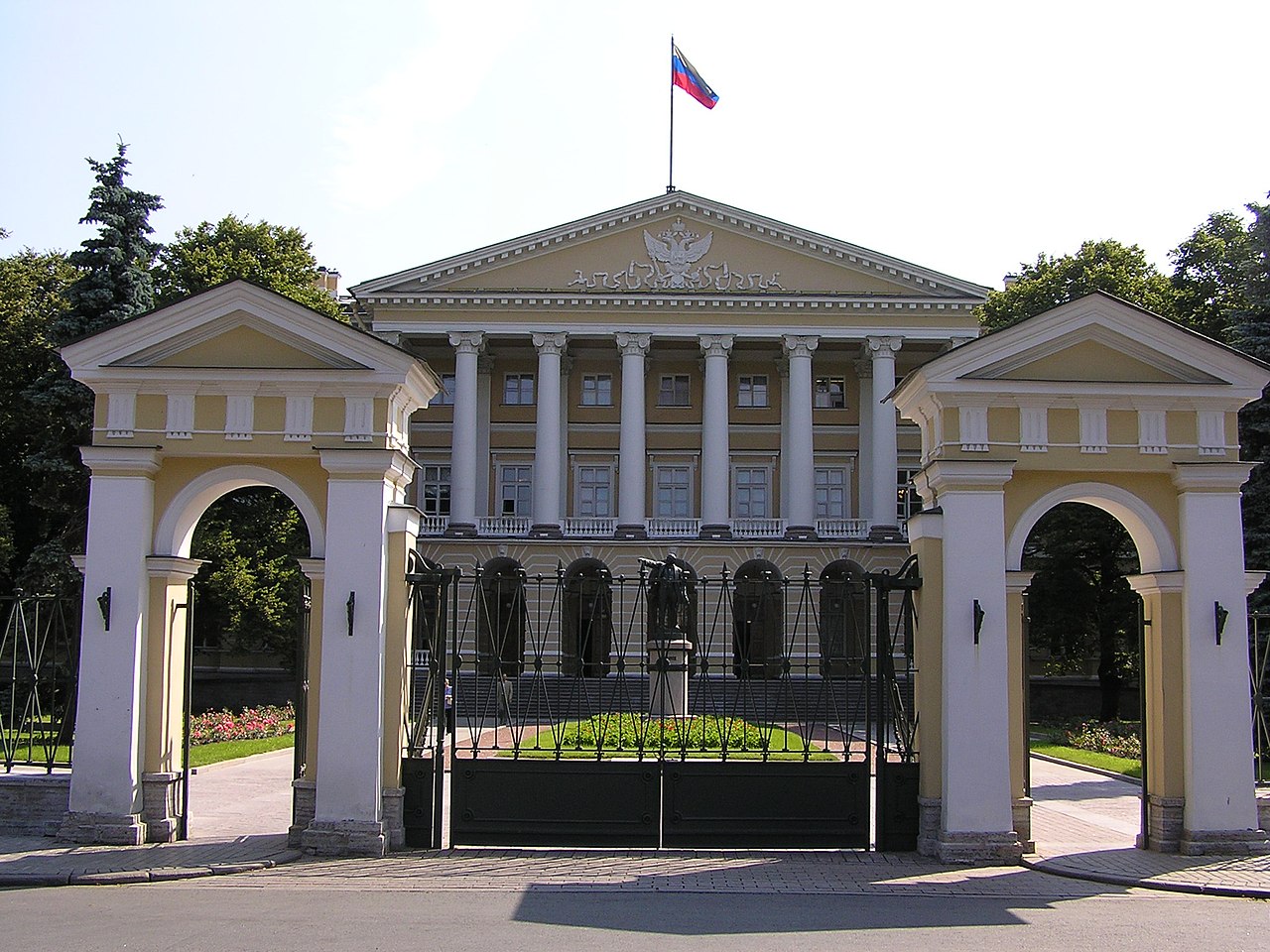
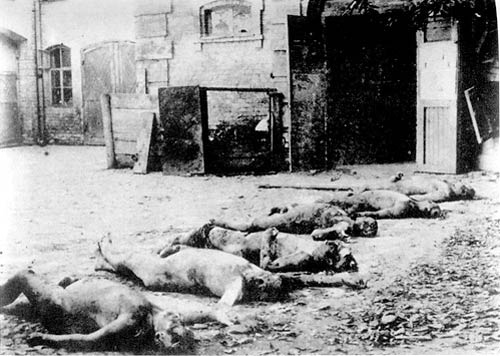
10 Images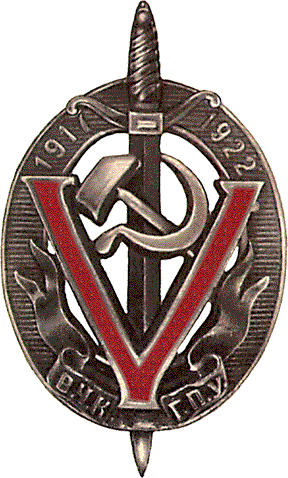





Origins, mandate and structure
The group’s formal name in Russian translates as the All‑Russian Extraordinary Commission for Combating Counter‑Revolution and Sabotage. The Cheka was given wide, vaguely defined powers to arrest, try and punish perceived enemies of the revolution. Its creation followed a decree by Lenin and reflected Bolshevik leaders' belief that emergency measures were necessary during a period of war, political upheaval and social unrest.
Organizationally the Cheka set up local branches across cities and territories, maintained detention facilities and operated mobile units. It combined investigative, policing and penal roles rather than functioning as a conventional judiciary body. Over time its personnel became known as 'Chekists' and the institution developed informal networks of informers and agents.
During the Russian Civil War the Cheka played a central role in suppressing armed opposition, counter‑revolutionary groups and sabotage of military and industrial resources. Methods attributed to the organization included surveillance, arrests without formal trials, summary executions and deportations. These practices were justified at the time by Bolshevik leaders as necessary for survival in a situation they characterized as existentially perilous.
In the early 1920s the Cheka was formally reorganized and its functions passed to successor agencies that were further restructured over the Soviet period. While institutional names changed—GPU, OGPU, NKVD and later the KGB—many operational patterns and personnel lineages traced back to the Cheka. Its legacy is debated: historians emphasize both its role in consolidating Bolshevik power and the precedent it set for state repression in the Soviet system.
Notable facts and legacy
- The term 'Chekist' endured as a label for security officers in later Soviet and post‑Soviet contexts.
- Cheka practices influenced policing, intelligence and penal systems, including early forced‑labor arrangements that foreshadowed later camp systems.
- Its Moscow headquarters and the culture of secrecy around political policing became defining features of Soviet security governance.
History
On December 20, 1917, the Soviet Russian government, chaired by Lenin, instructed Feliks Dzierżyński, a member of the Petrograd Military Revolutionary Committee (MRKP), to form a special commission to combat the opposition.
From August 1918, on Lenin's instructions, the first prison camps were set up in Penza province to house political opponents and were officially called concentration camps. The number of detainees in the camps organized by the Cheka was about 16,000 in May 1921 and rose to over 70,000 prisoners by September 1921.
In February 1922, the Cheka was dissolved and the organization's archives were destroyed on Lenin's orders; its functions were transferred to the newly formed military GPU.
Development of employee numbers
- March 1918: 600
- June 1918: 12,000
- End 1918: 40,000
- Beginning of 1921: 280,000
Questions and answers
Q: What is the Cheka?
A: The Cheka was the first Soviet state security organization.
Q: When was the Cheka created?
A: The Cheka was created on 20 December 1917.
Q: Who issued the decree that created the Cheka?
A: The decree that created the Cheka was issued by Vladimir Lenin.
Q: Who was the first leader of the Cheka?
A: The first leader of the Cheka was Felix Dzerzhinsky.
Q: What was Felix Dzerzhinsky's background before becoming the leader of the Cheka?
A: Felix Dzerzhinsky was a Polish aristocrat who became a communist.
Q: Why was the Cheka created?
A: The Cheka was created as a state security organization.
Q: Was the Cheka the only state security organization in the Soviet Union?
A: No, the Cheka was not the only state security organization in the Soviet Union.
Related articles
Author
AlegsaOnline.com Cheka: The Soviet Revolutionary Security Service Leandro Alegsa
URL: https://en.alegsaonline.com/art/19129
Sources
- books.google.com : pages 383-385
- lcweb2.loc.gov : "Library of Congress / Federal Research Division / Country Studies / Area Handbook Series/ Soviet Union / Glossary"
- themoscowtimes.com : "A Stalin slip and Putin trick | Opinion"