
Cartoon: forms, history, techniques and cultural role
An overview of cartoons: visual works ranging from single-panel drawings and comic strips to animated films. Covers forms, production methods, history, uses, and distinctions from related genres.
Overview
A cartoon is a deliberately simplified or exaggerated visual representation, often created to entertain, comment, or explain. The term covers single-panel drawings, sequential comic strips, editorial or political cartoons and moving-image animations. Cartoons can be realistic, stylized, or deliberately surreal, and they rely on line, color, and timing to convey idea, mood or narrative.
Image gallery
9 Images




Forms and common techniques
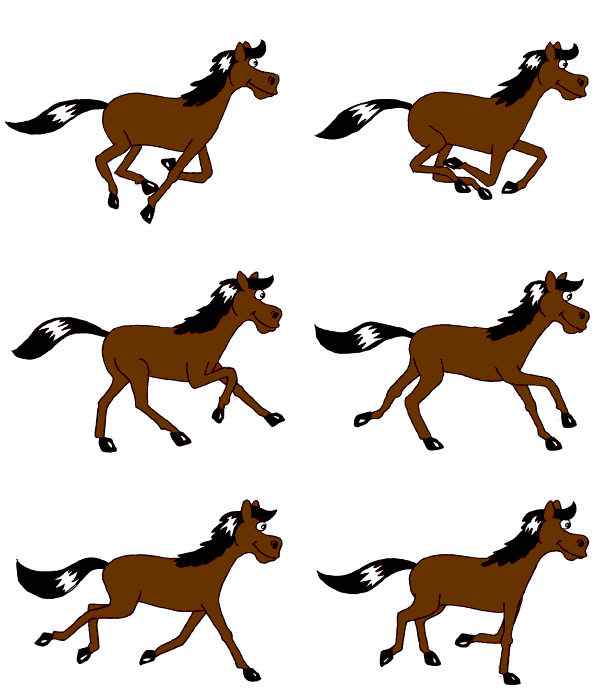
Cartoons appear in many formats and are made with a variety of methods. Traditional paper-and-ink drawings coexist with digital bitmap and vector artwork. Animated cartoons may be hand-drawn frame-by-frame, produced as digital 2D motion, rendered in 3D, or assembled using stop-motion photography. Typical categories include:
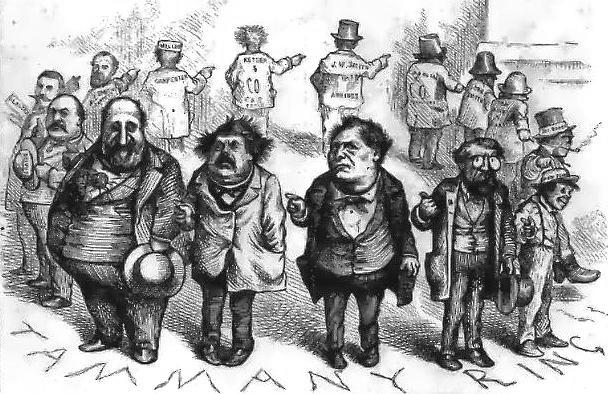
- Editorial or political cartoons: single images that comment on public affairs.
- Comic strips and panels: sequential narrative in newspapers or online.
- Animated cartoons: short films or series intended for children and adults (animated cartoons).
- Caricature and satirical illustration: exaggerated likenesses to lampoon subjects.
History and development
The idea of simplified, humorous imagery dates back centuries in many cultures, appearing in manuscripts, prints and early newspapers. With the rise of mass printing, single-panel and sequential cartoons became a regular feature of periodicals. The advent of motion-picture technology extended the form into animation, creating a separate industry and genres of its own. Over time, cartoons moved from print to radio, television and digital streaming, adapting to new audiences and production tools.
Production and stylistic traits
Production ranges from a lone cartoonist drawing with pen and ink to large animation studios employing teams of writers, storyboard artists, animators, voice actors and sound designers. Stylistic traits often include simplified anatomy, expressive facial features, visual gags, and exaggerated motion. Digital workflows allow reuse of assets, rigging for efficient movement, and compositing techniques that were impractical with analog methods.
Uses, audiences and cultural impact
Cartoons serve many purposes: to amuse, to teach, to criticize, and to sell. Editorial cartoons influence political debate and public opinion; comic strips develop recurring characters and long-form storytelling; animated cartoons shape childhood imagery and global pop culture. They can also be powerful tools in education, public health messaging and advertising due to their strong visual clarity and emotional immediacy.
Distinctions and notable facts
Cartoons differ from photographic and realistic art by intention and technique: they emphasize idea over literal depiction. They are distinct from caricature only in purpose—caricature focuses primarily on exaggerated likeness, while cartoons may present broader narratives or jokes. The genre adapts readily to local cultures and norms, producing a wide range of styles worldwide.
Related articles
Author
AlegsaOnline.com Cartoon: forms, history, techniques and cultural role Leandro Alegsa
URL: https://en.alegsaonline.com/art/17353
Sources
- punch.co.uk : "History of the Cartoon"