
Charlie Hebdo shooting (January 2015, Paris)
January 2015 terrorist attack on the French satirical weekly Charlie Hebdo in Paris that killed 12 people, sparked global debates on free expression, and prompted a large manhunt and later trials.
Overview
On 7 January 2015, armed assailants attacked the Paris offices of the satirical weekly Charlie Hebdo during a morning editorial meeting. The assault resulted in the deaths of 12 people and left others wounded. The killings, carried out with automatic and other firearms, shocked France and prompted immediate national mourning, widespread demonstrations, and an intense international debate about satire, religious offence, and freedom of expression. Contemporary timelines and early reporting detail the chronology of events and responses; see a consolidated timeline here and international reporting summaries here.
Image gallery
10 Images



Attack details
Witnesses reported that multiple masked gunmen entered the publication's premises and opened fire, using high-powered weapons and issuing shouts reported by those at the scene. The assault was rapid and violent, with many rounds fired before the perpetrators fled by car. Emergency services and police units responded immediately; scenes from the attack and the subsequent security response were widely recorded and reported. Technical summaries of the weapons and the sequence of the attack were later published by investigators and security analysts; for equipment and forensic overviews see this technical briefing and specialist analysis here.
Perpetrators and motive
Investigations identified several suspects and established that the assailants stated they were motivated by Charlie Hebdo's publications, which they considered blasphemous. Media and judicial reporting linked the attackers to extremist networks and explored claims of allegiance to international groups. Authorities examined planning, communication, and support networks surrounding the perpetrators; official summaries and case materials provide further context for those inquiries here. Follow-up criminal investigations and prosecutions assessed the roles of co‑conspirators and facilitators and examined the extent of organisational links under official records.
Immediate aftermath and public response
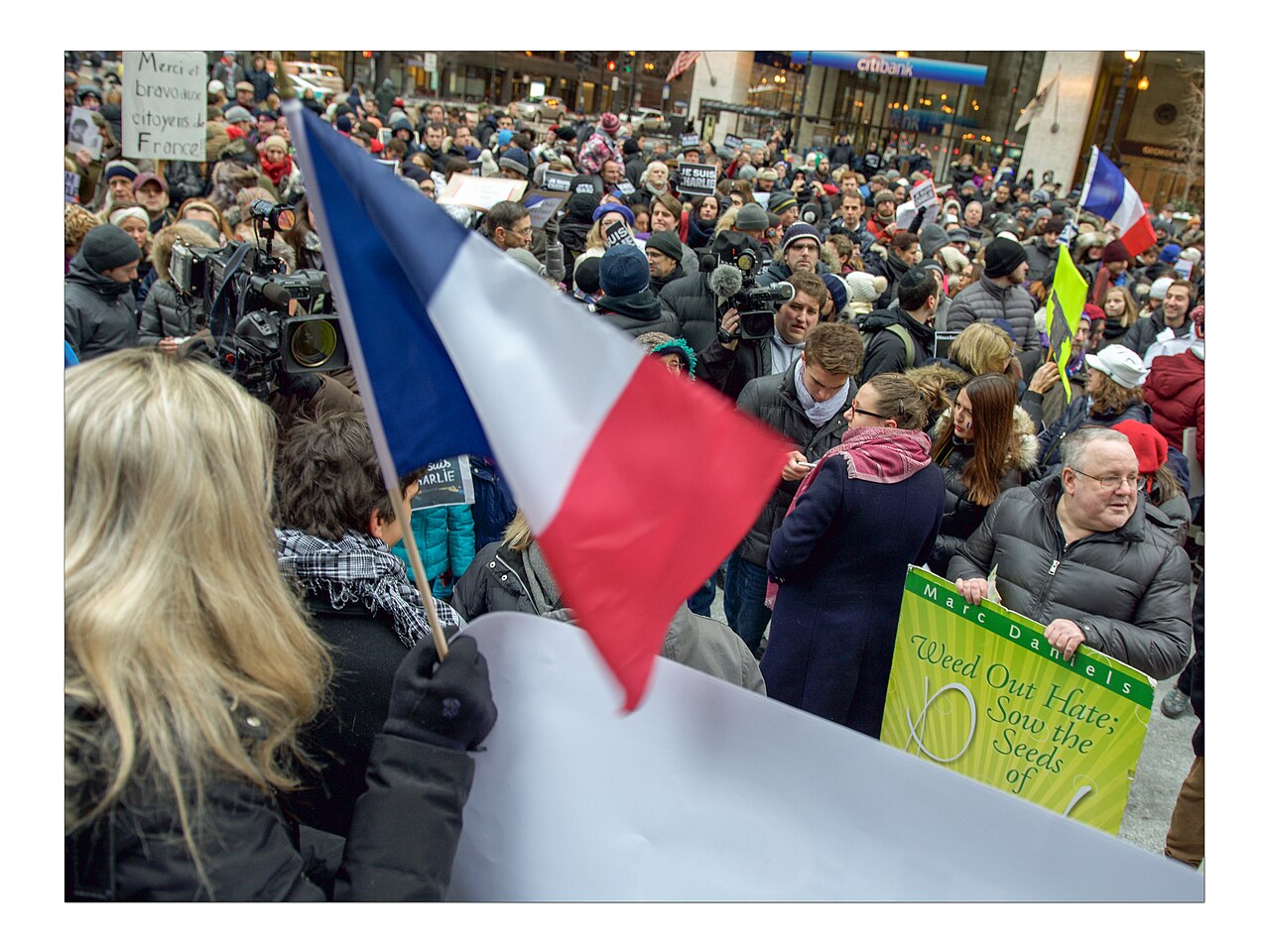
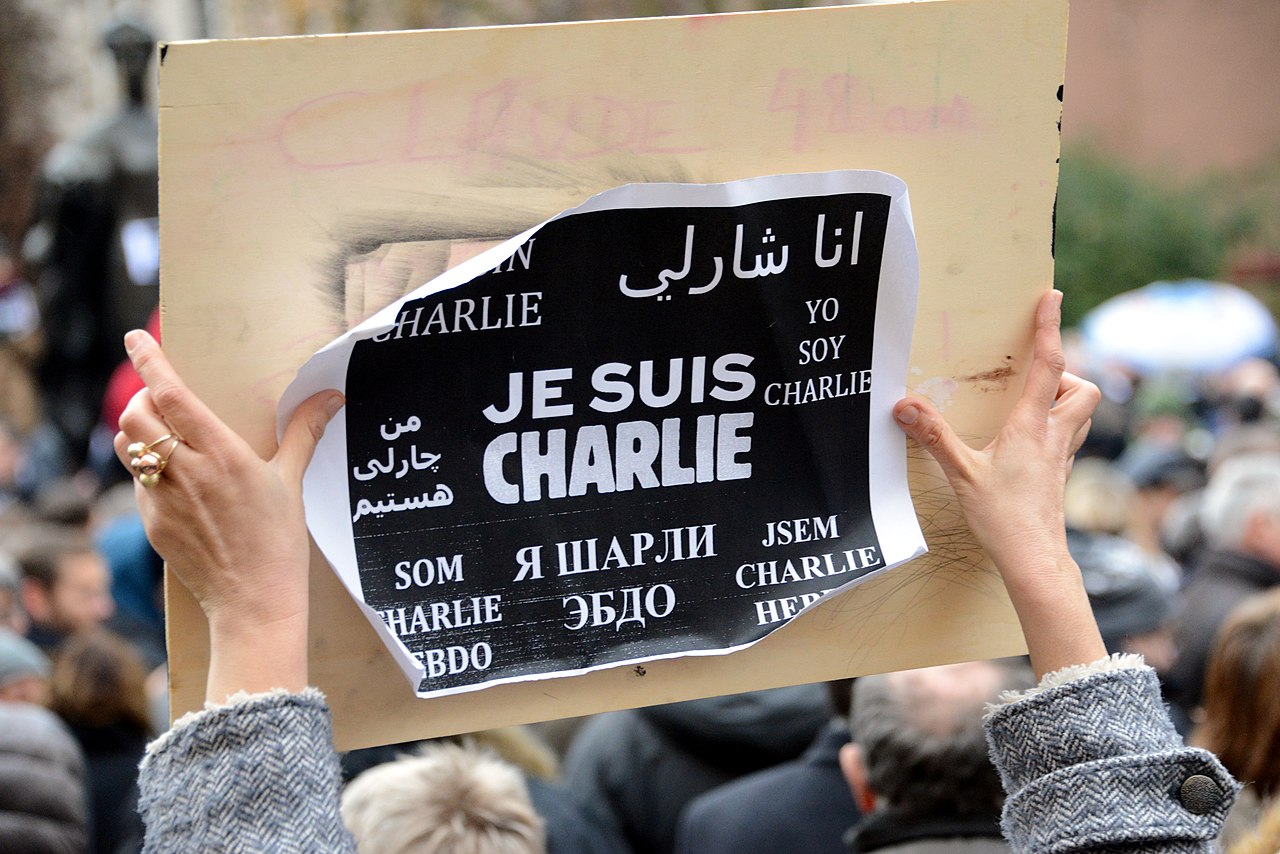
The attack triggered a nationwide manhunt and heightened security measures across France. The killings were followed by related hostage situations in the Paris region that resulted in additional casualties. In the days after the attack, millions attended memorials and a large unity rally in Paris drew national leaders and foreign dignitaries. An outpouring of solidarity appeared online and in print under the slogan and hashtag "Je suis Charlie," used by many to express support for the victims and for the principle of free expression.
Legal, social and political consequences
In the months and years after the attack, law enforcement operations, criminal trials and intelligence reviews addressed both direct perpetrators and those who assisted them. Trials of alleged accomplices and support networks took place in subsequent years, resulting in convictions and sentences in some cases. The incident influenced public debate on counterterrorism, policing, social integration, and the balance between civil liberties and security. It also prompted changes in security practices for media organisations and led some outlets to reassess editorial and safety policies.
International reactions and effects on communities
The attack provoked diverse reactions globally: widespread condemnation, solidarity rallies, and renewed discussion of the limits of satire and the responsibilities of the press. In some countries, the killings also sparked protests and reprisals against places of worship and property, reflecting broader regional tensions. Human rights organisations, press freedom groups and governments weighed in on how to protect journalists while upholding democratic freedoms, generating policy discussions and research on the protection of media workers.
Legacy
The Charlie Hebdo attack has remained an important reference point in discussions of terrorism in Europe, the security of journalists, and the cultural conflicts around depictions of religion. It highlighted vulnerabilities faced by small editorial teams, the speed at which images and opinions circulate on social media, and the complexities of responding to violent ideological extremism within democratic societies. For readers seeking detailed timelines, investigative reporting, or legal documentation, the linked resources above provide entry points to contemporary coverage and follow-up analyses.
- Casualties and injuries: the attack killed 12 people and wounded others.
- Public response: mass demonstrations, international solidarity, and the "Je suis Charlie" slogan.
- Longer-term impact: prosecutions of alleged accomplices, security reviews, and ongoing debates over free expression and protection of the press.
Questions and answers
Q: What happened on 7 January 2015 in Paris?
A: Three gunmen stormed the headquarters of French satirical magazine Charlie Hebdo and killed 12 people, including magazine staff and two police officers.
Q: How were the gunmen armed during the attack?
A: The gunmen were armed with Kalashnikov rifles, a shotgun, and a rocket-propelled grenade launcher.
Q: How many people were wounded during the attack on Charlie Hebdo's headquarters?
A: The attack wounded 11 people.
Q: What was the reason for the protests in Niger?
A: The protests in Niger were in response to Muhammed being on the cover of Charlie Hebdo.
Q: What was the attackers' behavior during the attack on Charlie Hebdo's headquarters?
A: The attackers shouted "Allahu Akbar" and fired up to 50 shots during the attack.
Q: Did the French police catch the attackers?
A: Following a massive manhunt, the French police believe they have located the attackers and are mounting an operation against them.
Q: What hashtag began trending on Twitter after the attack?
A: The hashtag #JeSuisCharlie began trending on Twitter, with people showing support for freedom of speech.
Related articles
Author
AlegsaOnline.com Charlie Hebdo shooting (January 2015, Paris) Leandro Alegsa
URL: https://en.alegsaonline.com/art/18806
Sources
- lemonde.fr : "En images : à 11 h 30, des hommes armés ouvrent le feu rue Nicolas-Appert"
- independent.co.uk : "'10 killed' as shots fired at satirical magazine headquarters"
- newsday.com : "French police ID 3 suspects in attack on newspaper"
- bbc.com : "Manhunt for French magazine gunmen"
- bbc.co.uk : "Gun attack on French magazine Charlie Hebdo kills 11"
- cnn.com : "Charlie Hebdo attack: 12 dead in Paris, manhunt on"
- theguardian.com : "Niger rioters torch churches and attack French firms in Charlie Hebdo protest"
- bbc.co.uk : "Charlie Hebdo attack – latest"
- lepoint.fr : "Attentat à "Charlie Hebdo" : le Raid mène une opération à Reims"
- lci.tf1.fr : lci.tf1.fr
- theatlantic.com : "Look Who's on Al Qaeda's Most-Wanted List"
- liberation.fr : "«Un commando organisé»"
- nbcnews.com : "Confusion as French Hunt Magazine Attack Suspects"
- mirror.co.uk : "Charlie Hebdo Paris shooting: Three men suspected of killing 12 in terror attack 'holed up near Belgium border'"
- ouest-france.fr : ouest-france.fr/attentat-charlie-hebdo-les-suspects-identifies-et-traques-3100041