
Islamic fundamentalism: overview, development, and contemporary forms
Islamic fundamentalism refers to movements that seek a public and legal order based on literalist readings of Islamic scripture and traditions, varying widely in goals and methods.
Islamic fundamentalism is a modern label applied to movements that advocate reshaping society and law according to conservative or literalist interpretations of Islamic texts. Supporters typically emphasize the authority of the Quran and hadith and argue that religious norms should guide public life, education, family law, and moral codes.
Image gallery
1 Image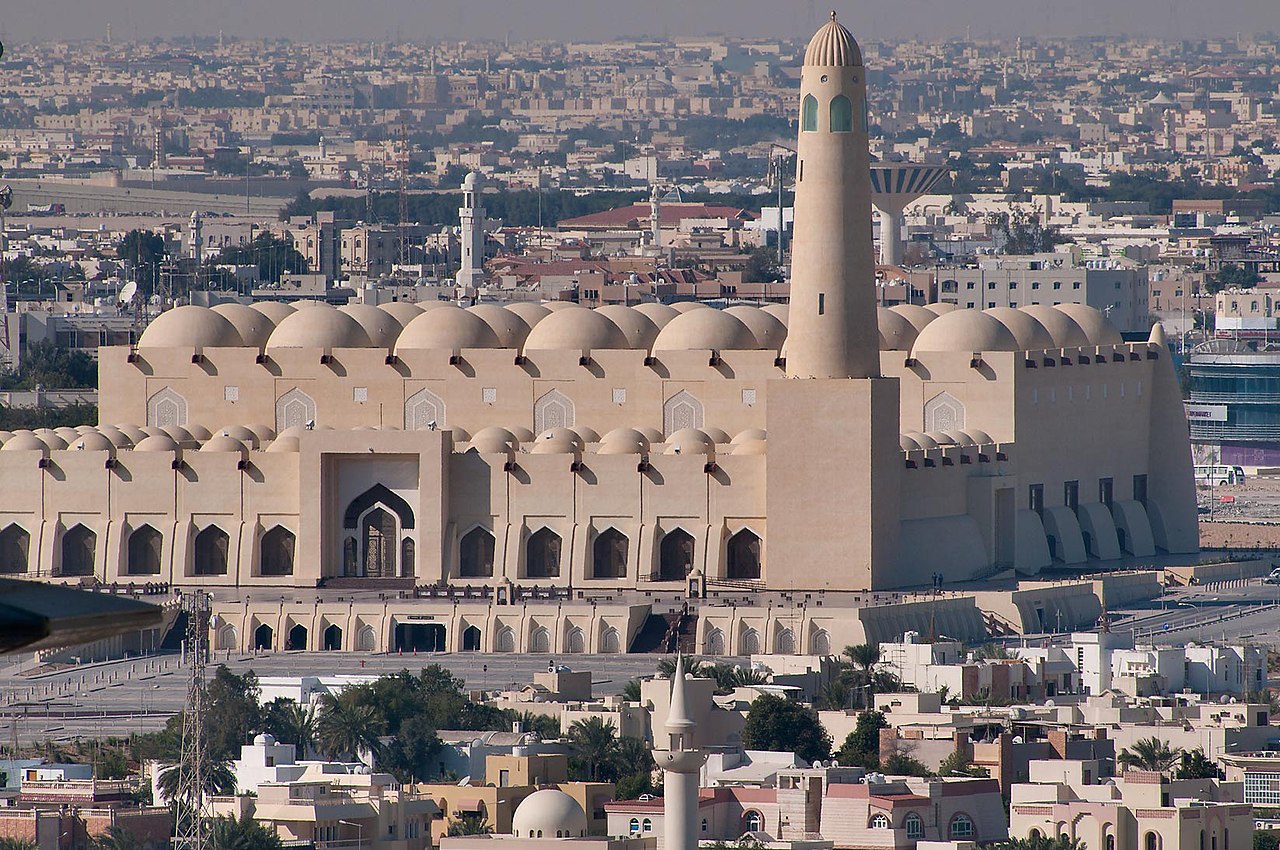
Characteristics
Common features include a desire to recover perceived original practices, distrust of secular modernity, and insistence on the centrality of scripture in politics and law. Movements vary from political parties that pursue change through elections to social groups promoting moral reform, and to militant factions that endorse violence.
History and development
As a coherent phenomenon, Islamic fundamentalism emerged during the modern era as communities confronted colonial rule, rapid social change, and Western political models. Diverse currents—ranging from revivalist scholarship to organized political Islam—responded by proposing religiously grounded alternatives to secular governance.
Variants and distinctions
- Revivalist and reformist: focus on personal faith and social ethics.
- Political Islam (Islamism): seeks to create or influence institutions and law.
- Militant jihadist: employs armed struggle; represents a small but visible minority.
Debates persist over terminology: some scholars prefer "Islamism" for political projects and reserve "fundamentalism" for a broader pattern of scriptural literalism. The label can obscure local variation and the difference between conservative piety and organized political aims.
Contemporary significance lies in diverse outcomes: legal reforms in some states, new political actors, changes in education and public morality, and intense international debates about rights, pluralism, and security. Understanding Islamic fundamentalism requires attention to local history, theology, and politics rather than a single stereotype.
Related articles
Author
AlegsaOnline.com Islamic fundamentalism: overview, development, and contemporary forms Leandro Alegsa
URL: https://en.alegsaonline.com/art/48402