
Chicago Outfit
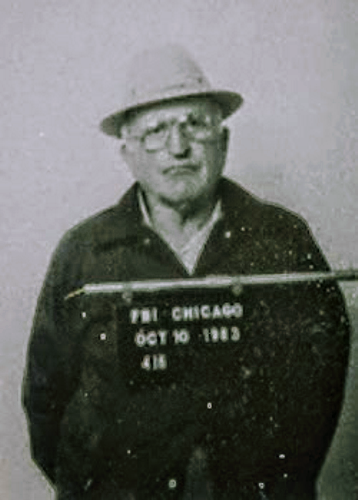
The Chicago Outfit is a long-standing Italian-American organized crime syndicate based in Chicago, notable for its role during Prohibition and later involvement in gambling, labor rackets and political corruption.
Overview
The Chicago Outfit is an Italian-American organized crime syndicate that grew out of immigrant neighborhoods in Chicago, Illinois. Often called the Outfit, the Chicago Mafia, or the Organization, it became one of the most powerful criminal groups in the American Midwest. It is typically considered part of the broader American Mafia tradition, though its structure and operations have reflected the particular economy and politics of Chicago's neighborhoods, especially the city's South Side.
Image gallery
10 Images



Organization and activities
The Outfit's activities have included illegal gambling, loan sharking, extortion, labor racketeering, bookmaking, narcotics trafficking and political influence operations. Rather than operate as a single, rigid family, the Outfit historically functioned through a network of crews and trusted associates who managed territories and illicit enterprises. It also maintained relationships with non-Italian criminals and legitimate businesses to conceal and launder profits.
Historical development
The group traces its rise to the early 20th century and became especially prominent during Prohibition (1920–1933), when control of bootlegging routes and speakeasies produced intense competition and violent conflict. Leaders such as Johnny Torrio and Al Capone centralized operations and expanded influence, giving the Outfit national reach in some illegal markets. After Prohibition, the organization diversified into gambling and labor rackets and continued to wield influence into the mid-20th century.
Notable leaders and eras
- Early organizers and consolidators who established the Outfit's midwest dominance and bootlegging networks.
- Interwar and postwar bosses who shifted emphasis toward gambling, unions and municipal corruption.
- Late 20th-century figures who faced sustained federal prosecution and aggressive state law enforcement.
In recent decades, leadership was often described cautiously by authorities and observers; for example, after 1997 the group was widely reported to be under the influence of figures such as John DiFronzo, though public information about internal succession has been limited.
Decline, law enforcement and legacy
From the 1970s onward, coordinated federal investigations, high-profile prosecutions, and changing economic opportunities reduced the Outfit's dominance. Convictions of key members, enhanced surveillance techniques, and cooperation from former insiders eroded the group's capacity for large-scale, centralized operations. Nevertheless, the Outfit's historical influence on Chicago politics, construction, labor and gambling left a lasting imprint on the region's institutions and public imagination.
Distinctions and notable facts
Unlike some East Coast families, the Chicago Outfit developed a more businesslike reputation, often prioritizing profitable enterprises over public displays of internecine conflict. It also worked with a broader array of partners across ethnic and racial lines when expedient, adapting its methods to local conditions in cities such as those in California and Florida where it occasionally extended influence. For further context on organized crime models and comparisons, see materials linked here and in historical studies (South Side origins, organized crime, American Mafia).
For additional resources and archival materials consult specialized criminal history collections and scholarly works that document the Outfit's evolution, prosecutions and cultural portrayals. Related overviews and primary-source reports remain valuable for understanding how law enforcement and society responded to organized crime in the 20th century and beyond (Chicago, Illinois, Al Capone era, Torrio period).
Related articles
Author
AlegsaOnline.com Chicago Outfit Leandro Alegsa
URL: https://en.alegsaonline.com/art/19515
Sources
- ipsn.org : "Who's Who in Chicago Outfit for 1997 ISPN-97-10-12"