
Chlamydiae: obligate intracellular bacteria – biology, life cycle, and significance
Chlamydiae are an obligate intracellular phylum of bacteria that infect eukaryotic cells. This article explains their life cycle, diversity, clinical importance, diagnosis, and prevention.
Overview
Chlamydiae are a group of bacteria classified at the level of phylum and class, notable for their obligate intracellular lifestyle. Members grow only by infecting eukaryotic host cells and are often smaller than many free-living bacteria and comparable in size to many viruses. Historically placed among atypical Gram-negative organisms, chlamydiae have a compact genome and depend heavily on host resources.
Image gallery
1 Image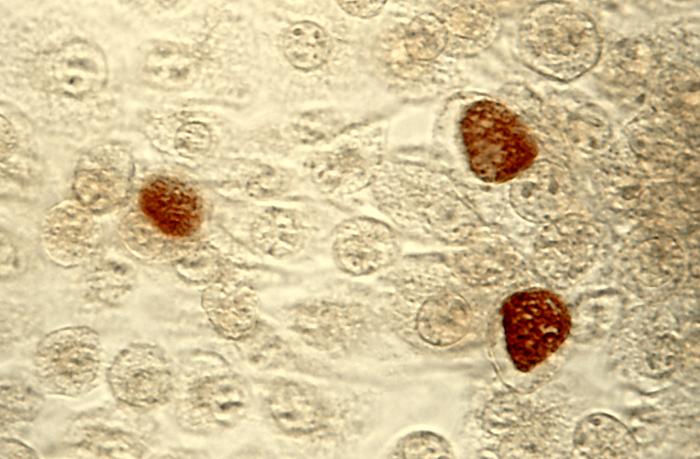
Basic characteristics and life cycle
Chlamydiae exhibit a distinctive biphasic developmental cycle with two major forms: the infectious, metabolically inactive elementary body (EB) and the larger, metabolically active reticulate body (RB). EBs attach to and enter host cells, remain within a membrane-bound inclusion or vacuole, and differentiate into RBs that replicate by binary fission. After replication RBs condense back into EBs and are released to infect new cells. Many species replicate inside inclusion bodies that modify host trafficking pathways.
Taxonomy and diversity
The phylum includes several genera and families that infect a range of hosts, from humans and other vertebrates to protists. Some lineages are well known as human pathogens, while others are environmental chlamydiae recently discovered in water, soil and single-celled eukaryotes. Taxonomic boundaries have been revised as molecular methods reveal greater diversity.
Diseases and importance
- Human health: species cause sexually transmitted infections, respiratory disease and ocular infections that can lead to blindness.
- Veterinary concerns: several species infect birds, livestock and companion animals, with zoonotic potential in some cases.
- Ecological role: environmental chlamydiae influence microbial communities and can infect amoebae and other protists.
Diagnosis, treatment and prevention
Diagnosis commonly relies on nucleic acid amplification tests, culture in cell lines or antigen detection. Chlamydial infections are treated with antibiotics effective against intracellular bacteria, such as tetracyclines or macrolides. Public-health measures include screening programs, partner notification and, for some diseases, vaccination research.
Notable facts and history
Chlamydiae were recognized in the early 20th century as a distinct group of infectious agents. For many years they were thought to lack peptidoglycan, but research has revealed a more complex cell envelope and structures associated with division. Their unusual biology continues to interest researchers in cell biology, immunology and infectious disease. For a concise classification overview see phylum-level resources.
Related articles
Author
AlegsaOnline.com Chlamydiae: obligate intracellular bacteria – biology, life cycle, and significance Leandro Alegsa
URL: https://en.alegsaonline.com/art/19876