
Chlamydia trachomatis: biology, clinical disease, diagnosis and prevention
Chlamydia trachomatis is an obligate intracellular bacterium causing common sexually transmitted infections, ocular trachoma and lymphogranuloma venereum; it has a biphasic life cycle and is diagnosed by NAATs.
Chlamydia trachomatis is a Gram-negative, obligate intracellular bacterium that infects human mucosal epithelial cells and some immune cells. It is one of several species in the genus Chlamydia and is adapted to growth only within host cells. For basic taxonomic context see taxonomic overview.
Image gallery
1 Image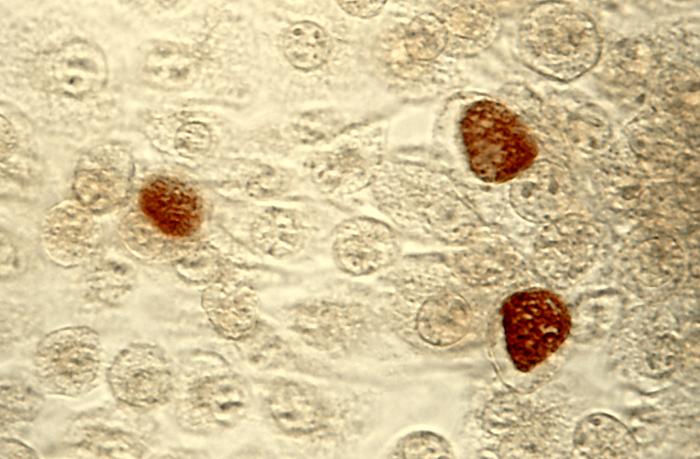
Biology and life cycle
C. trachomatis has a distinctive two-stage developmental cycle: the infectious, extracellular elementary body (EB) that attaches to and enters host cells, and the metabolically active reticulate body (RB) that replicates within a membrane-bound inclusion. The organism has a reduced genome and relies on host-derived ATP and metabolites, which complicates laboratory culture and experimental work. General biology resources are available at reference page.
Clinical manifestations
Different genotypes (historically called serovars) are associated with discrete syndromes. Ocular strains cause trachoma, a chronic conjunctival infection that can lead to scarring and blindness where endemic. Genital strains commonly produce urethritis, cervicitis and proctitis; many infections are asymptomatic, especially in women. A subset of invasive strains causes lymphogranuloma venereum (LGV), characterized by regional lymph node involvement. Clinical summaries and distinctions are discussed at clinical information.
Diagnosis and treatment
Diagnosis relies mainly on nucleic acid amplification tests (NAATs) performed on urine, urethral, cervical, rectal or ocular swabs; NAATs are more sensitive than microscopy or serology for acute infection. Treatment uses antibiotics effective against intracellular bacteria—commonly doxycycline or azithromycin—though specific regimens vary by infection site, pregnancy status and local guidance. Special considerations for neonates, pregnant people and complicated infection should follow specialist advice; see diagnosis and treatment.
Prevention, screening and public health
Control emphasizes safer-sex practices, condom use, routine screening of sexually active at-risk groups, timely treatment, and partner notification to interrupt transmission. In communities affected by trachoma, the WHO-recommended SAFE strategy combines Surgery for advanced disease, Antibiotics to reduce infectious burden, Facial cleanliness and Environmental improvements to limit transmission. Public health guidance and prevention resources appear at prevention guidance.
Epidemiology and research
C. trachomatis is one of the most common bacterial sexually transmitted pathogens worldwide. Ongoing research areas include vaccine development, improved point-of-care diagnostics, and surveillance for changing strain patterns and antimicrobial effectiveness. Understanding this organism requires integration of microbiology, clinical care and public health measures.
- Obligate intracellular lifestyle shapes diagnostics and therapy.
- Asymptomatic infections are common and drive transmission.
- Control combines individual clinical management with population-level interventions.
Related articles
Author
AlegsaOnline.com Chlamydia trachomatis: biology, clinical disease, diagnosis and prevention Leandro Alegsa
URL: https://en.alegsaonline.com/art/19875