
Albigensian Crusade (1209–1229): Causes, Campaigns, and Consequences
A 20-year military and religious campaign launched to suppress Catharism in Languedoc; transformed southern French politics, reduced the Cathar movement, and expanded royal authority.
Overview
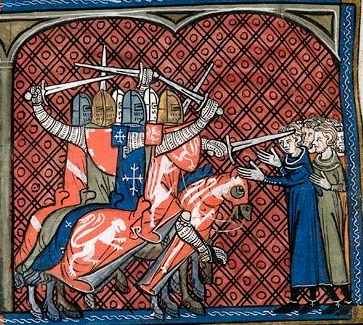
The Albigensian Crusade (1209–1229) was a prolonged military and religious campaign initiated by the papacy to suppress the Cathar movement in the Languedoc region of southern France. Launched under the authority of Pope Innocent III, it combined ecclesiastical condemnation with armed intervention by nobles of the Kingdom of France. The conflict is often described as both a crusade against perceived heresy and as a decisive step in bringing Occitania into the orbit of the northern French crown.
Image gallery
5 Images


Beliefs and Cause
The target of the campaign was Catharism, a Christian dualist movement commonly called the Cathar heresy by contemporary sources. Cathar beliefs varied by region but typically emphasized a sharp contrast between spirit and matter, ascetic practices, and a rejection of many institutional church teachings. The movement’s public visibility, its parallel ecclesiastical structure, and tensions with local bishops prompted escalating papal concern that eventually led to military action.
Major events and course
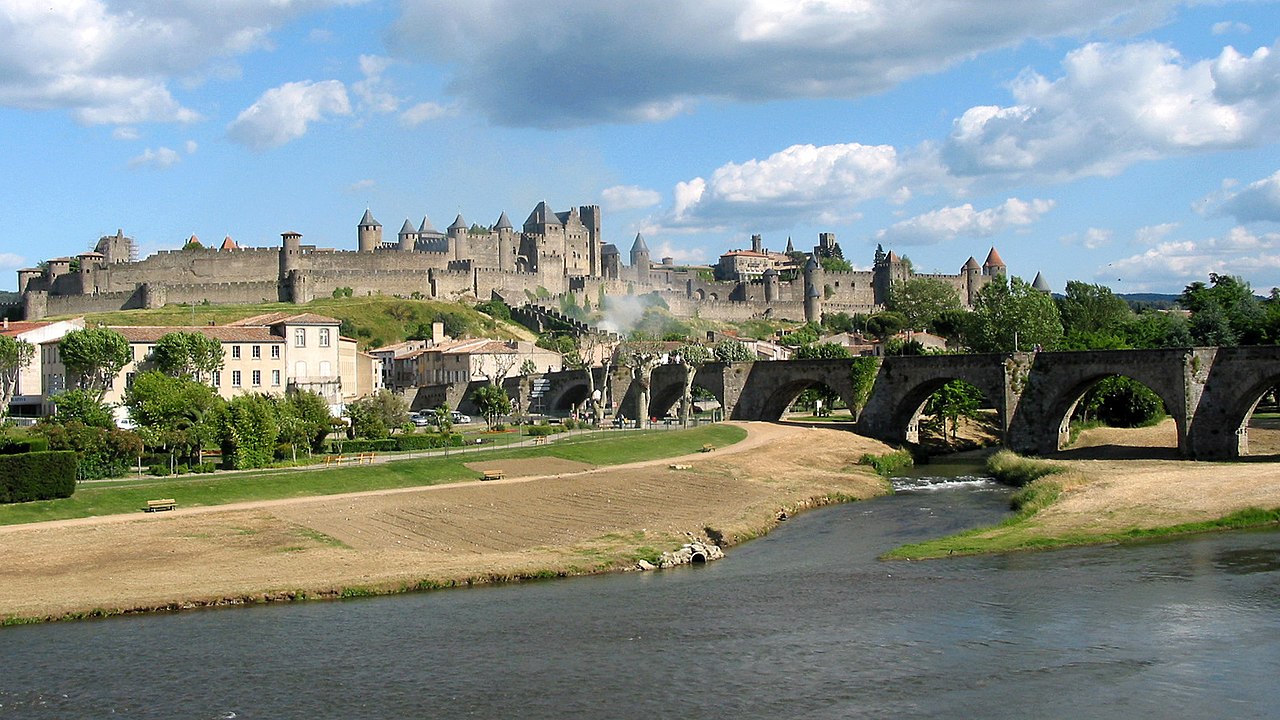
The crusade unfolded through sieges, pitched battles and negotiated settlements. Key episodes included the massacre at Béziers (1209), the capture of Carcassonne (1209), the rise and death of crusader leader Simon de Montfort, and repeated fighting around Toulouse. The campaign culminated in the Treaty of Paris (1229), sometimes called the Treaty of Meaux, which imposed terms of submission on many Occitan lords and curtailed local autonomy.
- 1209: Massacre at Béziers and siege of Carcassonne.
- 1213–1214: Continued military pressure and reorganization of territories.
- 1218: Death of Simon de Montfort during the siege of Toulouse.
- 1229: Treaty of Paris ends large-scale operations and restructures rule in Languedoc.
Leadership, politics, and motives
Although the crusade was proclaimed by the papacy, most fighting was carried out by northern French nobles seeking spiritual reward, land, and influence in the south. Local Occitan rulers, such as Raymond VI and Raymond VII of Toulouse, resisted varying degrees of pressure and cooperation. Motives mixed religious zeal, papal desire for doctrinal uniformity, and secular ambitions for territorial expansion and feudal consolidation.
Consequences and legacy
The Albigensian Crusade greatly weakened the organized Cathar movement, though it did not eradicate all dissent immediately. It accelerated the establishment of mechanisms for policing doctrine, including an expanding inquisitorial process in later decades. Politically, the crusade brought many southern lordships into tighter contact with the northern French monarchy, reshaping feudal alignments and diminishing regional autonomy. Culturally, the violence and political changes contributed to the decline of the distinctive troubadour culture of Occitania.
Historiography and notable controversies
Historians debate the balance of religious and political motives, the scale of violence, and the meanings of episodes such as the reputed order at Béziers often paraphrased as "Kill them all." Contemporary and later accounts vary in tone and reliability, so careful source work is necessary. The Albigensian Crusade remains a significant example of how religious conflict and political ambition intersected in medieval Europe, leaving a long-term imprint on church authority and the map of France.
For further reading on the papal context, regional politics, and doctrinal issues see material associated with Pope Innocent III, studies of Catharism, and histories of the Kingdom of France.
Related articles
Author
AlegsaOnline.com Albigensian Crusade (1209–1229): Causes, Campaigns, and Consequences Leandro Alegsa
URL: https://en.alegsaonline.com/art/2150