
Alexios I Komnenos: Byzantine Emperor and Architect of the Komnenian Recovery
Alexios I Komnenos (1048–1118) restored Byzantine stability after crises of the 11th century, repelled invasions, reformed finances and military, and shaped relations with the First Crusade and later Komnenian rulers.
Overview
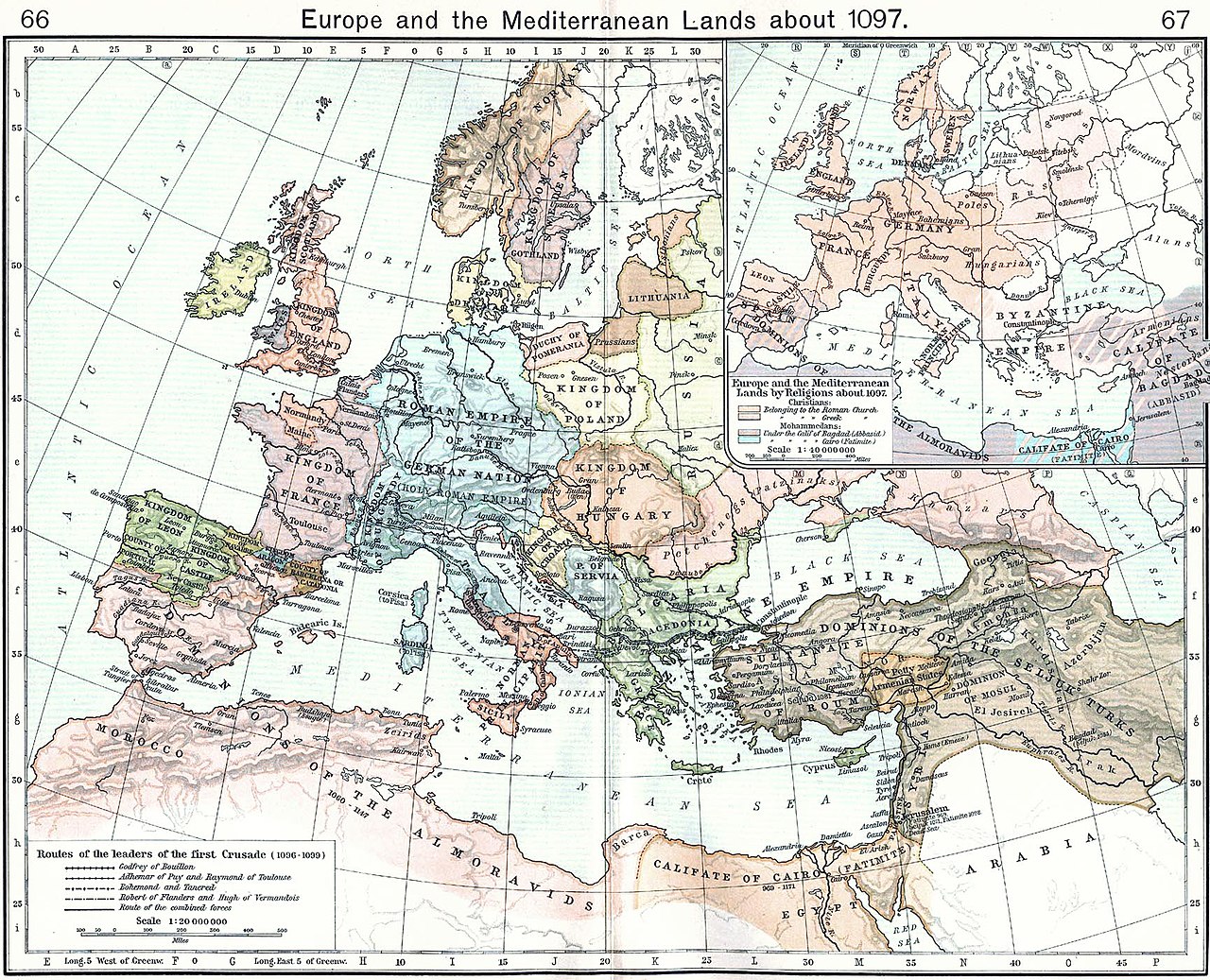
Alexios I Komnenos (born 1048, died August 15, 1118) reigned as Byzantine emperor from 1081 to 1118. His rule marked a turning point after the empire's mid‑11th century upheavals: through military action, administrative and fiscal reforms, and careful diplomacy he initiated what historians call the Komnenian restoration. Primary information about his reign is preserved most fully in the Alexiad, written by his daughter Anna Komnene.
Image gallery
10 Images




Origins and rise to power
Alexios came from the powerful Komnenos family and was the son of John Komnenos and Anna Dalassena, who remained a central figure in court politics. He was related to previous emperors and leveraged family networks to secure the throne in 1081. Contemporary sources record his birth and family background; further biographical detail is available in specialized studies and collections of primary texts (biographical overview).
Military challenges and diplomacy
Early in his reign Alexios faced simultaneous threats: Norman invasions from the west, Pecheneg raids on the Balkans, and the continuing pressure of Seljuk Turks in Anatolia. He fought major engagements (including campaigns against the Normans and the decisive defeat of the Pechenegs in 1091) and used alliances—most notably with steppe cavalry—to stabilize frontiers. When the Seljuk advance imperiled western Asia Minor, Alexios sought assistance from the West; the arrival of Crusader armies in 1096–1099 altered the strategic landscape and facilitated the recovery of some imperial territory, although relations with western leaders were often tense (military context).
Reforms, administration and economy
Alexios reorganized defensive forces, relied on loyal provincial governors and relatives, and implemented fiscal measures to restore the treasury after wartime losses. He introduced monetary reforms to stabilize coinage and levied extraordinary taxes and donations to pay mercenaries and rebuild fortifications. These measures strengthened central authority and set the stage for the economic-political consolidation pursued by his successors (administrative reforms).
Cultural legacy and sources
Anna Komnene's Alexiad is the chief contemporary narrative of Alexios's reign; it mixes eyewitness material with literary aims and family advocacy. Under Alexios the court attracted scholars and craftsmen, and imperial patronage supported a revival of artistic and intellectual activity that continued under the Komnenian dynasty. For introduction and further reading, see general surveys and source collections (further reading).
Importance and succession
By his death in 1118 Alexios had halted a period of decline and built institutions and alliances that allowed the Komnenos dynasty to govern effectively for several decades. He was succeeded by his son John II Komnenos, who inherited a more stable empire and continued the program of territorial recovery and administrative reform.
- Key policies: military reorganization, fiscal consolidation, diplomatic engagement with the West.
- Notable events: campaigns versus Normans, Battle of Levounion (Pechenegs), diplomatic contact leading to the First Crusade.
- Main contemporary source: the Alexiad by Anna Komnene.
Related articles
Author
AlegsaOnline.com Alexios I Komnenos: Byzantine Emperor and Architect of the Komnenian Recovery Leandro Alegsa
URL: https://en.alegsaonline.com/art/2437