
Alamanni (Alemanni) — West Germanic peoples of Alemannia
The Alamanni were a confederation of West Germanic tribes along the Upper Rhine. From late-Roman-era conflicts to medieval incorporation into the Frankish realm, they left linguistic and regional legacies across central Europe.
Overview
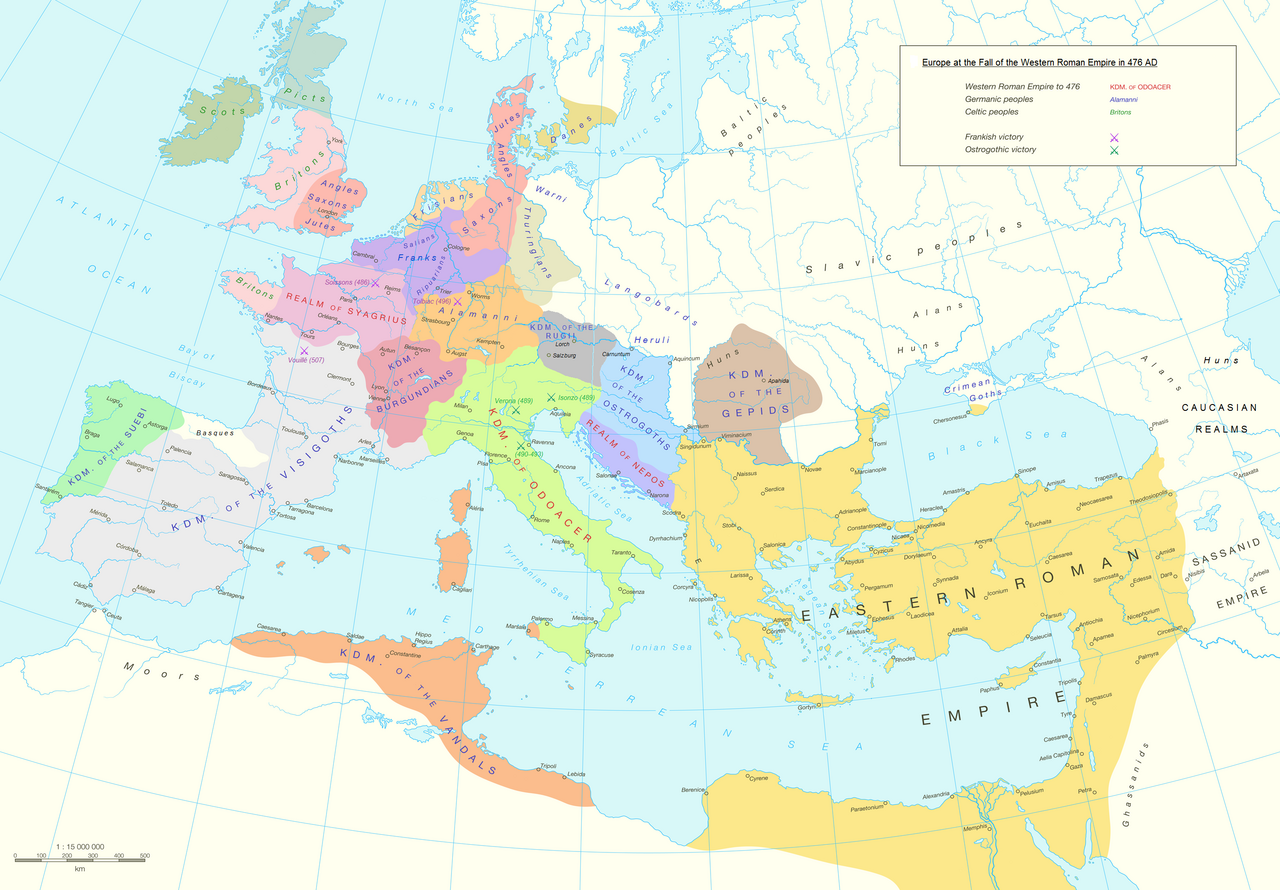
The Alamanni, also written Allemanni or Alemanni, were a loose confederation of West Germanic groups who occupied lands along the upper Rhine and its tributaries. Roman writers used the name for a cluster of tribes that pushed into Roman frontier provinces during the late antiquity period. Their territory, later known as Alemannia, covered parts of what are now southwestern Germany, eastern France, and northern Switzerland.
Image gallery
9 Images




Territory and settlement
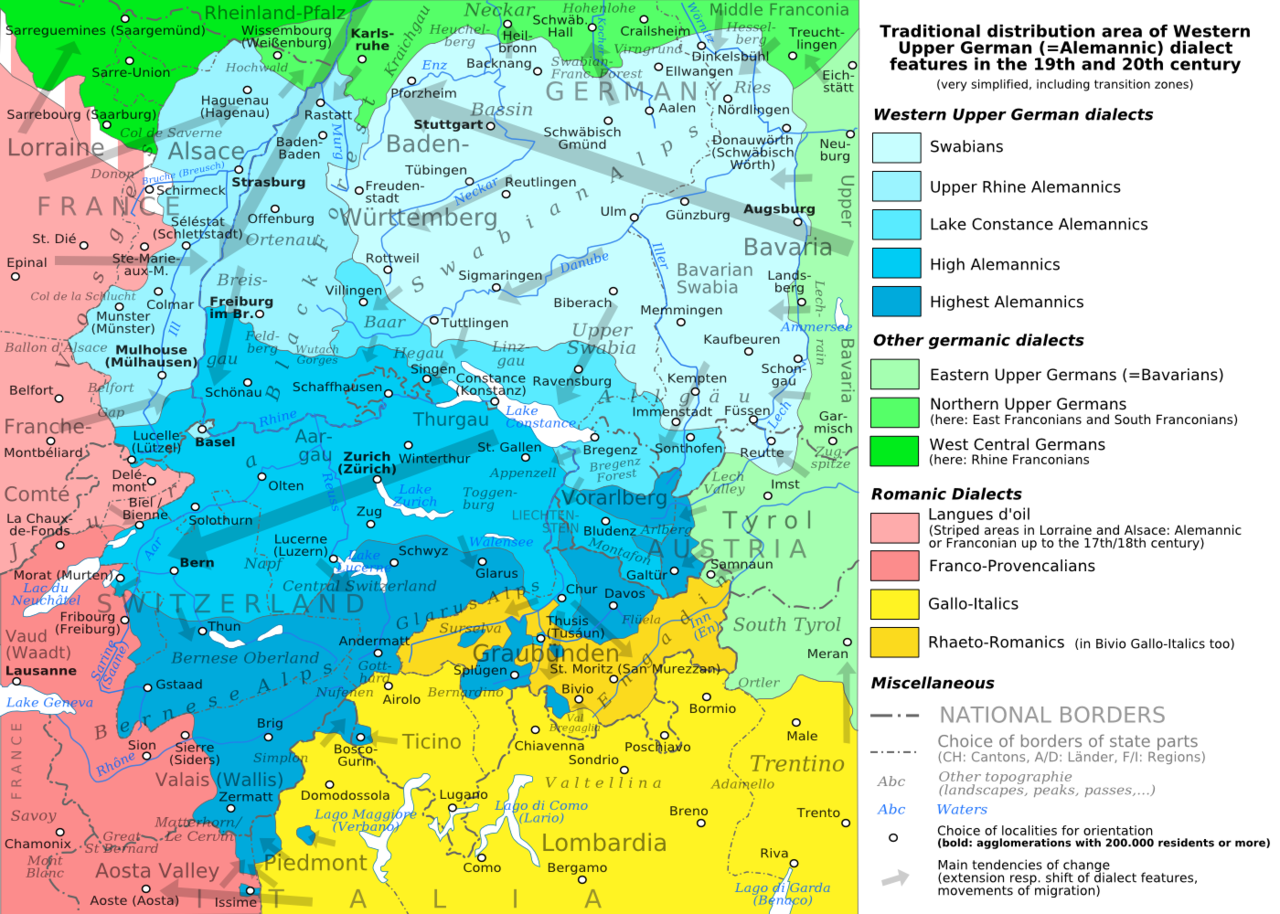
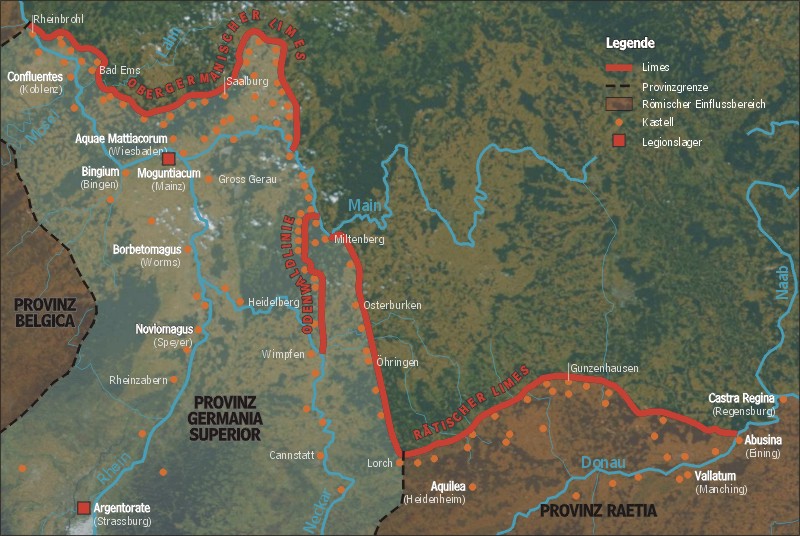
Early medieval sources and archaeology place the Alamanni around river valleys and uplands adjacent to the Rhine, including the region near the upper Main and across the modern borderlands of France and Germany. They expanded into areas of present-day Alsace, parts of Baden, and the Swiss plateau. Rather than a single centralized state, Alemannia functioned as a collection of tribal districts ruled by local chieftains or dukes.
Society, language, and culture
Alamannic society shared many features with other Germanic groups of the period: a heavy emphasis on kinship ties, warrior elites, and agrarian village life. They practiced Germanic paganism until a gradual conversion to Christianity occurred between the late Roman period and the early Middle Ages. Their dialect of German evolved into what scholars call Alemannic German, a group of dialects that survives today in Swiss German, Alsatian, and other varieties.
History and interaction with Rome
From the third century onward the Alamanni were frequently in conflict with the Roman Empire, conducting raids across the Rhine and sometimes settling in border provinces. Roman military responses ranged from punitive expeditions to negotiated truces. One notable episode in late antiquity saw Roman forces under Julian defeat an Alamannic coalition in a major engagement near Strasbourg (Argentoratum), an event often cited in histories of Roman–Germanic relations. Over time, as Roman authority waned in the west, the Alamanni both raided and settled former imperial lands before being gradually incorporated into the expanding Frankish kingdoms.
Legacy and significance
- The name Alemannia gave rise to regional and national terms: it survives in the French and Spanish names for Germany (e.g., Allemagne, Alemania) and in the designation of Alemannic dialects.
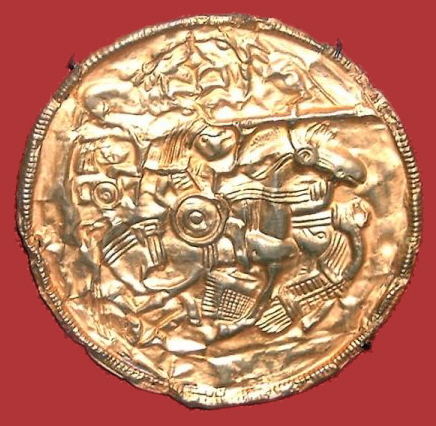
- Archaeological finds—grave goods, weaponry, and dress accessories—help trace material culture and contacts with neighboring peoples and Rome.
- Politically, Alemannia was absorbed into the Frankish realm by the early medieval period, but its cultural imprint endured in local law, place-names, and dialects.
Notable distinctions
Unlike some Germanic federations that produced lasting monarchies, the Alamanni remained comparatively decentralized. Their identity is best understood as a regional, linguistic, and cultural formation rather than a continuous, unified state. Modern interest in the Alamanni covers historical study, linguistic research into Alemannic German, and regional heritage in southwestern Germany, eastern France, and Switzerland.
Related articles
Author
AlegsaOnline.com Alamanni (Alemanni) — West Germanic peoples of Alemannia Leandro Alegsa
URL: https://en.alegsaonline.com/art/1955