
Elam: Ancient civilization of southwestern Iran
Elam was an ancient civilization east of Mesopotamia in what is now southwestern Iran. It developed distinctive language, art and institutions and interacted closely with neighboring Mesopotamian states.
Overview
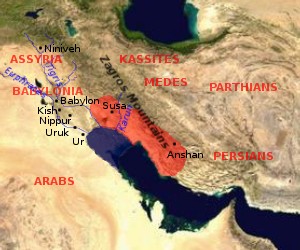
Elam was a long-lived civilization that occupied parts of what is now southwestern Iran and adjacent lowlands. Located immediately east of Mesopotamia, its heartland lay in the plain and foothills that today include Khuzestan and Ilam provinces. Elamite polities existed from the third millennium BCE into the first millennium BCE and repeatedly engaged in diplomacy, trade and warfare with neighboring Mesopotamian states.
Image gallery
10 Images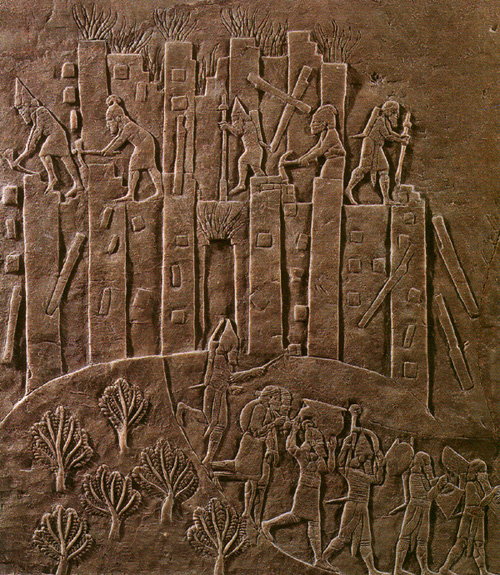


Geography and major centers
The Elamite region combined riverine plains and upland terrain. Its most important urban center was the city of Susa, which served as a political and religious hub for centuries. Other Elamite centers and regions included Anshan in the Zagros foothills and a network of smaller cities and fortified sites. Positioned near the Tigris–Euphrates world and the Persian Gulf, Elam controlled routes for goods and ideas between upland Iran and lowland Mesopotamia.
Language, writing and society
Elamites spoke the Elamite language, which is not Semitic and whose broader family relationships are debated by scholars. From the late third millennium BCE they adopted cuneiform writing adapted from Mesopotamia for administrative records, and at times used a native script known as Linear Elamite. Social organization varied over time between city-state structures and more centralized kingdoms; religion was polytheistic with local deities and temple institutions playing important roles.
History and development
Scholars divide Elamite history into conventional phases (often called Old, Middle and Neo-Elamite), reflecting shifts in political power and external relations. Elam both competed with and influenced Mesopotamian polities—Sumer, Akkad, Assyria and Babylonia—and at times controlled or sacked Mesopotamian cities. In the mid-first millennium BCE Elamite territories were incorporated into the expanding Achaemenid Persian state, after which Elamite institutions continued to affect imperial administration.
Economy, art and material culture
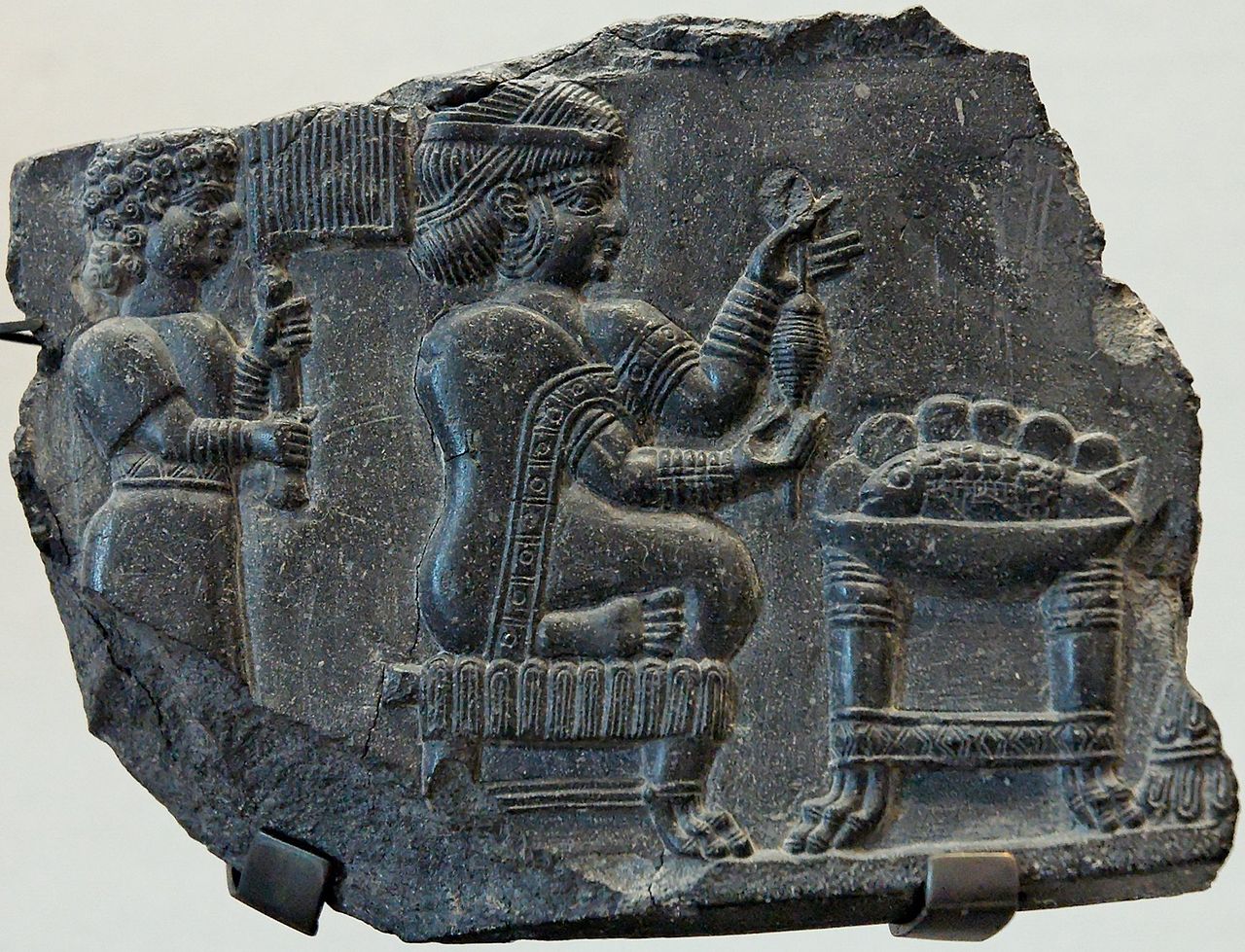
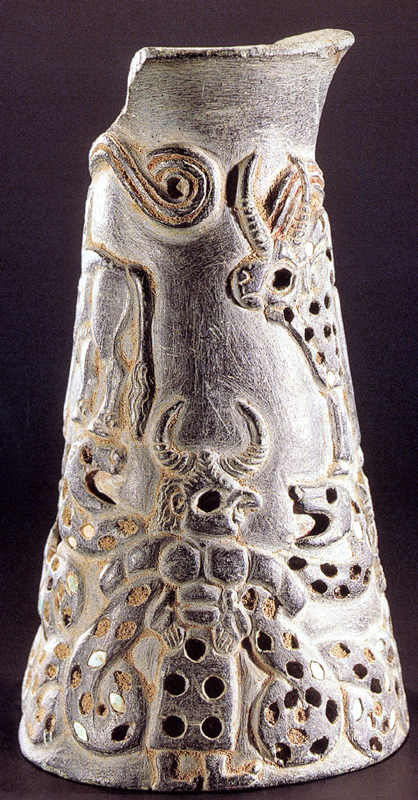
The economy combined irrigated agriculture, pastoralism and long-distance trade. Elamite artisans were noted for metalwork, glyptic art such as cylinder seals, and relief sculpture. Architectural remains at major sites show palaces and temples that mixed local tradition with Mesopotamian models. Archaeological finds have illuminated Elamite craft techniques, administrative practices and religious life.
Legacy and distinctions
Elam is significant for its longevity and for acting as a cultural bridge between the Iranian highlands and Mesopotamia. Its language and scripts are important for understanding ancient Near Eastern communication and administration. For further summaries and resources see regional surveys at Mesopotamian studies and regional overviews of southwestern Iran at Iranian archaeology.
- Major site: Susa — principal political and religious center.
- Language: Elamite — non‑Semitic, written in adapted cuneiform and Linear Elamite.
- Periods: conventional Old, Middle and Neo‑Elamite phases.
Questions and answers
Q: Where was the ancient civilization of Elam located?
A: Elam was located to the east of Mesopotamia, in what is now southwest Iran.
Q: What was the extent of the territory covered by Elam?
A: Elam's territory covered the lowlands of what is now Khuzestan and Ilam Province in Iran, as well as a small part of southern Iraq.
Q: How long did the civilization of Elam last?
A: The civilization of Elam was long-lasting.
Q: Where was the center of Elam located?
A: The center of Elam was located in the far west and southwest of modern-day Iran.
Q: What was the approximate area covered by Elam in Iran?
A: The area covered by Elam in Iran included the lowlands of Khuzestan and Ilam Province.
Q: Where was the southernmost portion of Elam located?
A: The southernmost portion of Elam was located in southern Iraq.
Q: What is the modern-day region that corresponds to the territory once occupied by Elam?
A: The modern-day region that corresponds to the territory once occupied by Elam is southwest Iran.
Related articles
Author
AlegsaOnline.com Elam: Ancient civilization of southwestern Iran Leandro Alegsa
URL: https://en.alegsaonline.com/art/30594