
Euphrates River — Mesopotamia's western watercourse
One of Mesopotamia's two great rivers. The Euphrates rises in eastern Anatolia, passes through Syria and Iraq, joins the Tigris to form the Shatt al-Arab, and has major historical, ecological, and political importance.
Overview
The Euphrates is the western of the two principal rivers that traditionally define Mesopotamia. It rises in the highlands of eastern Anatolia and travels generally southeast through modern Turkey, Syria and Iraq before joining the Tigris to form the Shatt al-Arab estuary and empty into the Persian Gulf. The river is central to the region's geography, climate influence and human settlement patterns; it has been a key source of water, food and transport for millennia. For context on the twin rivers, see the two defining rivers and their role in Mesopotamia.
Image gallery
10 Images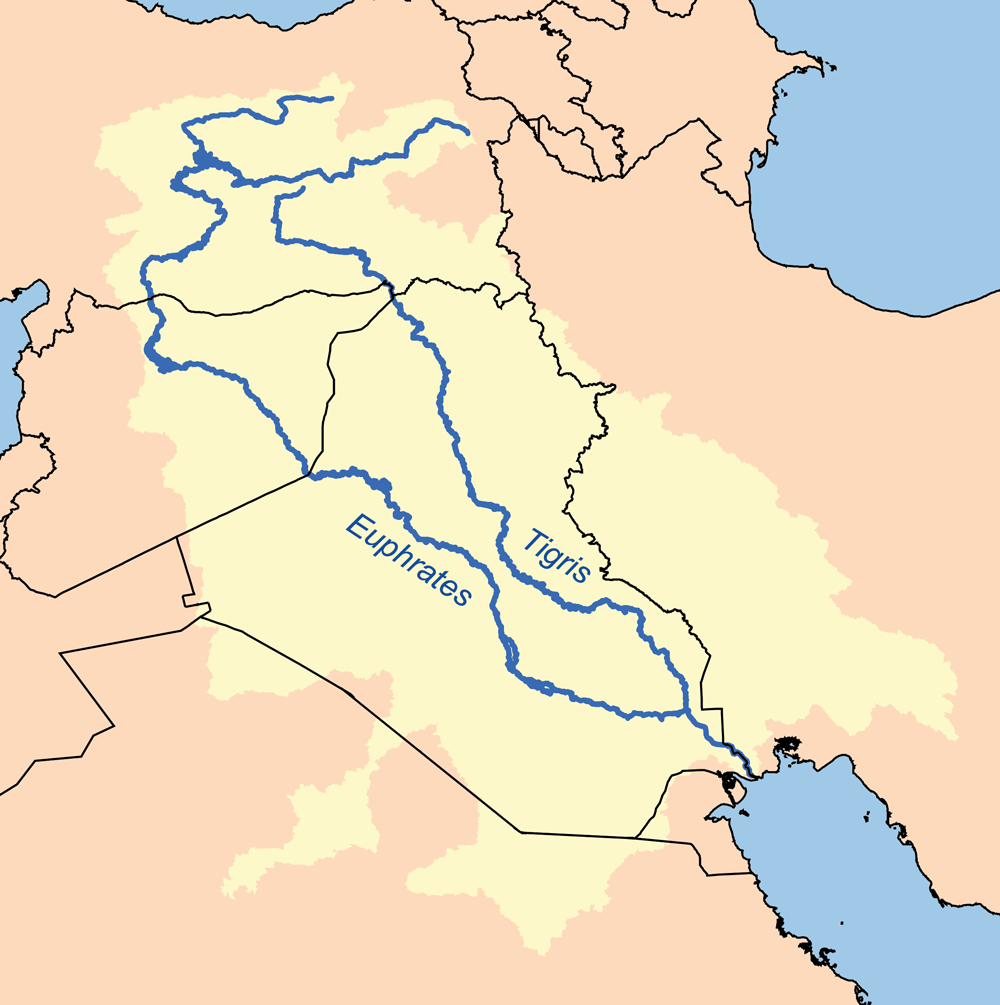




Course and characteristics
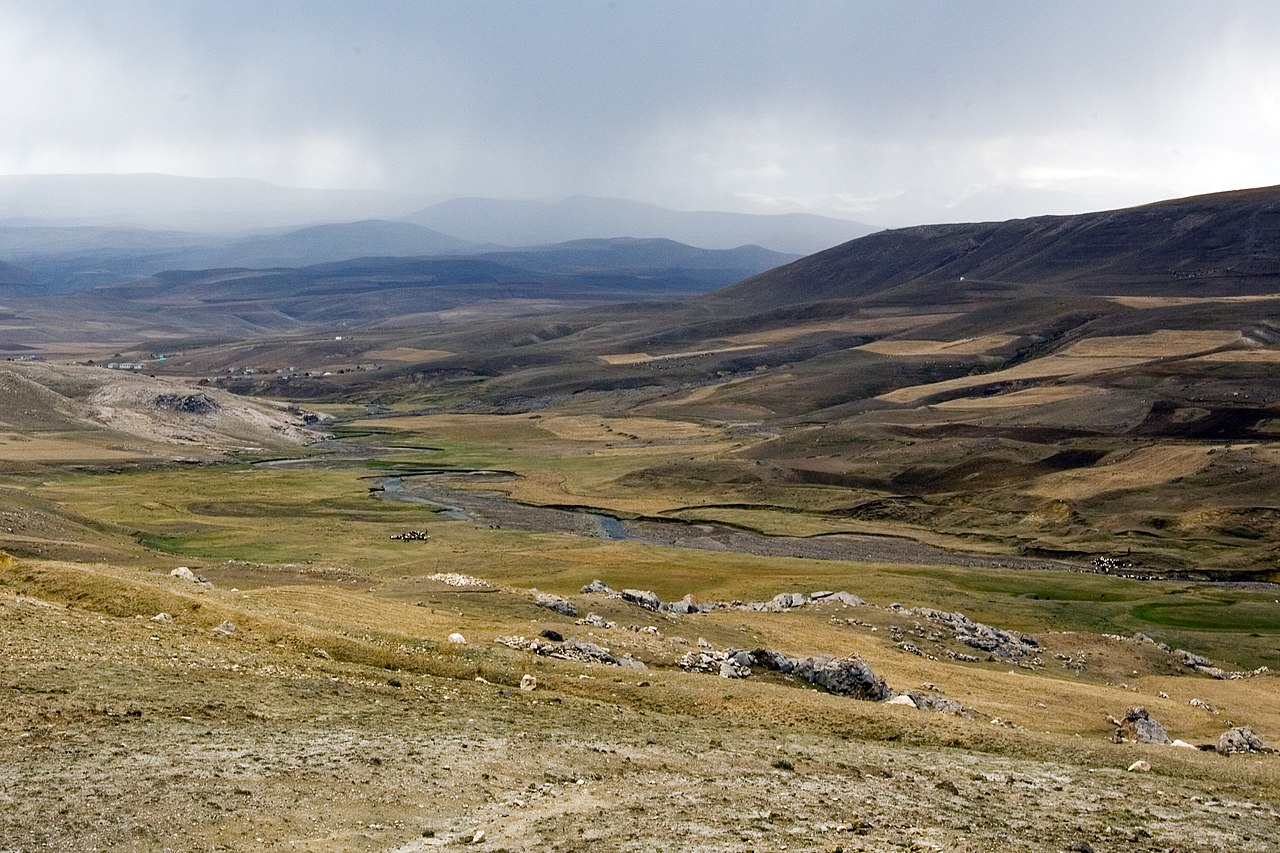
The Euphrates begins as several mountain streams and gains volume from tributaries as it descends into lower plains. In broad terms the river flows through three climatic zones: upland, steppe and alluvial plain. Its channel widens in Syria and Iraq, forming floodplains and seasonal wetlands before the confluence with the Tigris and the final reach toward the Persian Gulf. The river's seasonal variability and sediment load shaped the soils and agriculture of the region.
Tributaries, hydrology and landscape
Important feeder streams and tributaries sustain the Euphrates and influence its timing and depth. The river supports marshes, riverine woodlands and irrigated fields along much of its length. Human-engineered channels and traditional irrigation systems have long modified its flows, while natural flood cycles historically replenished soil fertility.
History and cultural importance
Throughout antiquity the Euphrates formed one side of a fertile corridor where early cities, states and empires emerged. Its waters enabled irrigation agriculture that supported dense populations, trade and cultural exchange. Archaeological sites and ancient urban centers along its banks testify to its central role in the development of writing, law, and complex societies in the broader Mesopotamian region.
Modern infrastructure and political issues
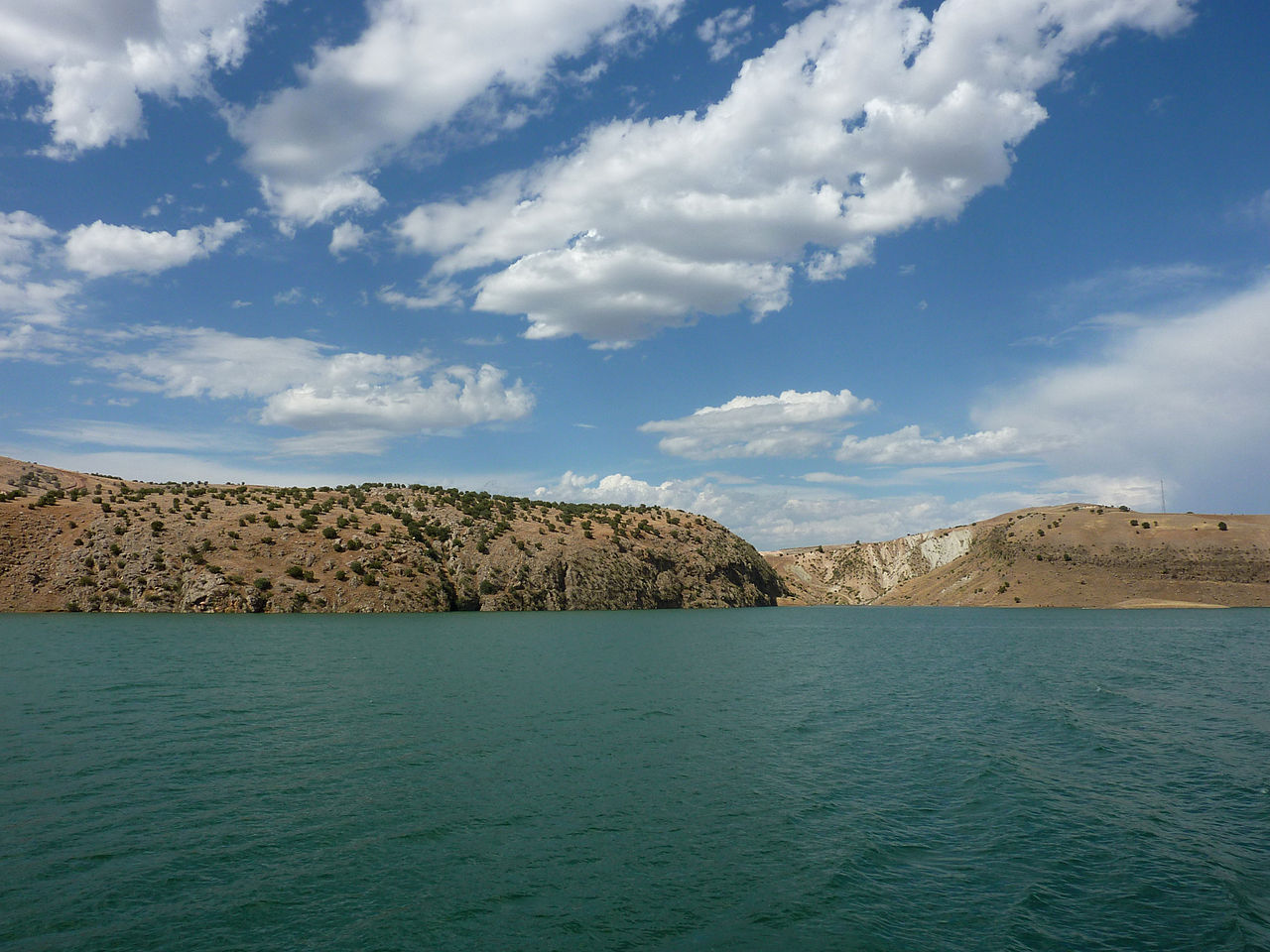
Since the mid-20th century a number of large dams, reservoirs and irrigation projects have been constructed on the Euphrates and its headwaters. Major hydraulic works built by upstream states and riparian governments aim to generate electricity, store water and support agriculture. These dams, many planned or constructed since the 1970s, have altered seasonal flows and storage patterns, created reservoirs and changed downstream water availability. The river is therefore central to international water management discussions and agreements among Turkey, Syria and Iraq.
Environmental effects and contemporary importance
Human control of the Euphrates has had ecological consequences: lower downstream discharges, reduced sediment delivery and altered wetlands. As a result of upstream regulation and increased withdrawals, historically larger outflows reaching the sea have diminished; in many years less water flows toward the Gulf, with consequences for fisheries, marsh ecosystems and salinity in delta areas. The river remains vital for irrigation, drinking water, hydroelectric power and cultural identity in the region.
Further reading
Related articles
Author
AlegsaOnline.com Euphrates River — Mesopotamia's western watercourse Leandro Alegsa
URL: https://en.alegsaonline.com/art/32543