
Cernunnos, the Horned Celtic Deity
Cernunnos is a horned figure from ancient Celtic art, commonly interpreted as a nature, fertility, and underworld-associated deity. He is known from Gallo‑Roman and Iron Age depictions and influences modern paganism.
Cernunnos is the conventional name given by modern scholars to a horned figure that appears in Celtic and Gallo‑Roman art from the late Iron Age and Roman periods in western Europe. The name itself is a Latinized form of a Gaulish word usually translated as "the horned one." Because he appears repeatedly with antlers, wild animals and symbols of wealth, Cernunnos is widely interpreted as a god connected to nature, animals, fertility and, in some contexts, the boundary between life and the underworld.
Image gallery
10 Images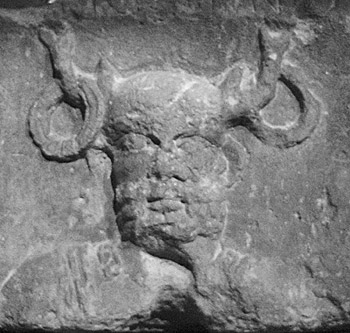


Appearance and attributes
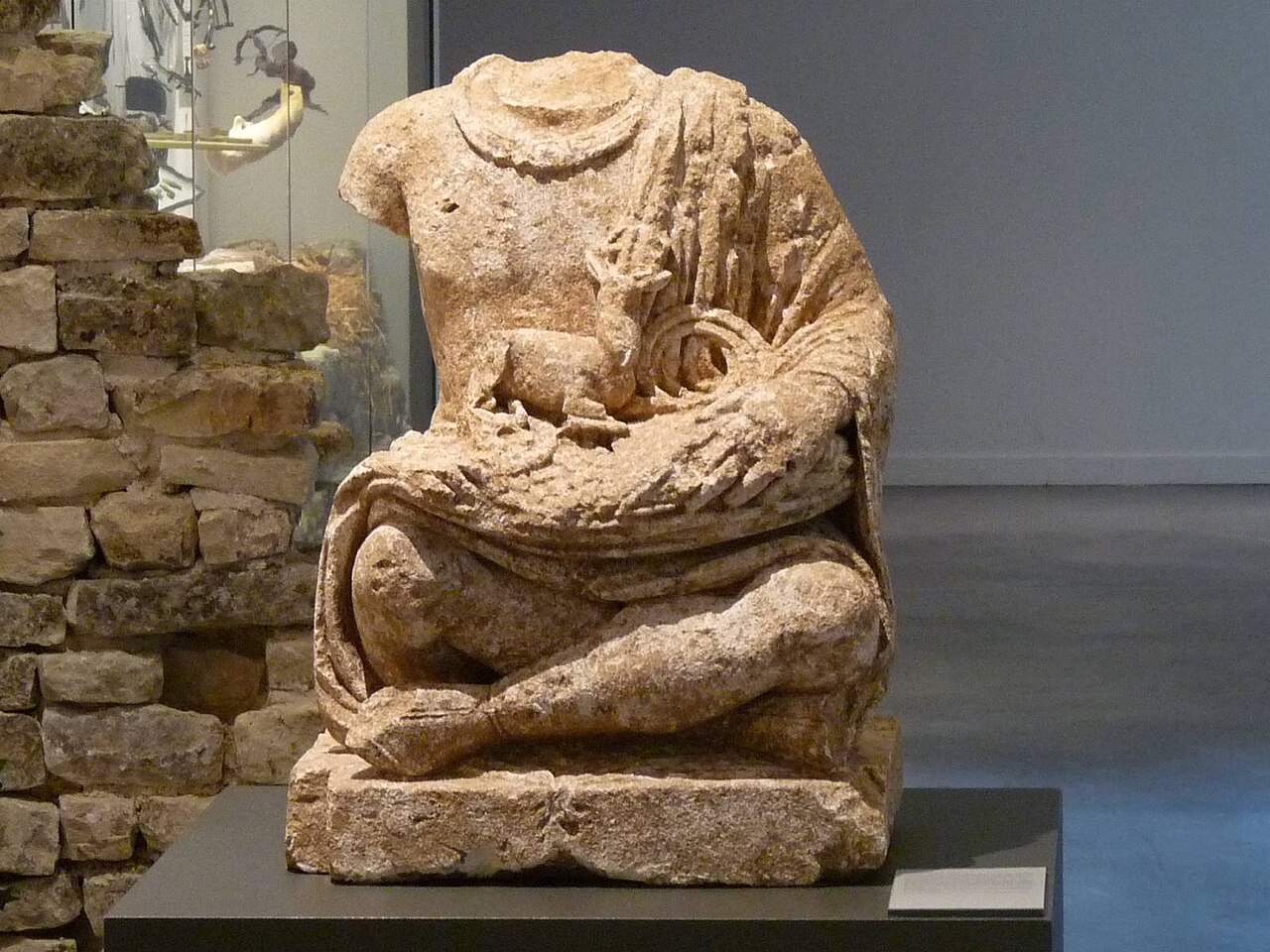
In surviving images the figure designated Cernunnos typically wears antlers and a torc (a metal neck ring). He is sometimes shown seated in a relaxed, cross‑legged posture and is frequently accompanied by a stag, dog or other wild creatures. Other common elements include serpents, a purse or bag (suggesting riches or offerings), and objects such as torcs being held or handled.
- Antlers: central identifying feature, linking him to stags and wild nature.
- Torcs: signify high status, wealth or ritual role.
- Animals: indicate associations with wildlife, hunting and fertility.
- Seated posture: sometimes suggests a mediator or lord of a particular realm.
Archaeological evidence
Evidence for Cernunnos comes from reliefs, metalwork and engraved plates found in regions once occupied by Celtic peoples. The best‑known representation appears on a decorated plate from the Gundestrup Cauldron, an elaborately embossed silver vessel of uncertain local origin but thought to preserve continental Celtic iconography. Similar figures occur on Gallo‑Roman stone reliefs and smaller objects recovered in what is now France, Britain and adjacent areas. No surviving texts explicitly identify a cult or prescribe rites, so interpretations rely on iconography and context.
Meaning, functions and scholarly caution
Scholars infer several overlapping roles for the horned figure: a nature spirit or god of wild animals, a fertility deity because of stag symbolism, and a psychopomp or chthonic aspect connected to wealth and the underworld. Because archaeological representations span local traditions and Roman‑period syncretism, it is uncertain whether all images refer to a single named deity or reflect a shared motif of a horned lord with regional variations.
Later reception and cultural importance
From the 19th century onward the horned figure captured scholarly and popular imagination. In modern neopagan and Wiccan practice Cernunnos (or the Horned God more generally) is often adopted as a symbol of male nature divinity and the wild. Academic caution remains important: historical evidence is fragmentary and iconography can be ambiguous, so reconstructions mix firm observations with cautious inference.
Notable distinctions
While often described simply as "the Celtic god of the hunt" or "lord of the animals," Cernunnos is best understood as a complex, multi‑faceted motif in Celtic art rather than a fully documented single personality with a continuous cult. His image illustrates wider Indo‑European themes of horned deities and reflects the blending of native and Roman religious expressions in ancient Gaul and Britain.
Questions and answers
Q: Who is Cernunnos?
A: Cernunnos is a Pagan Celtic God from the ancient Celtic lands of western Europe.
Q: What animals is Cernunnos linked with?
A: Cernunnos is linked with male animals with horns, especially stags.
Q: Why is Cernunnos linked with fertility?
A: Cernunnos is linked with fertility because he is associated with male animals, particularly stags, which are symbols of fertility.
Q: What is Cernunnos considered as?
A: Cernunnos is also seen as a God of the Underworld.
Q: Where did the information about Cernunnos come from?
A: Everything that we know about Cernunnos comes from two pictures; one from France, and one from Germany.
Q: What is the significance of the pictures of Cernunnos in France and Germany?
A: The pictures of Cernunnos in France and Germany provide us with the only existing information about this ancient Pagan Celtic God.
Q: What are the alternate spellings of Cernunnos?
A: The alternate spellings of Cernunnos are Cernenus and Cern.
Tags
Related articles
Author
AlegsaOnline.com Cernunnos, the Horned Celtic Deity Leandro Alegsa
URL: https://en.alegsaonline.com/art/18208
Sources
- celtnet.org.uk : celtnet.org.uk