
Kettle: history, types, uses, and cultural significance
A kettle is a vessel for heating and boiling water. This article explains types (stovetop, electric), materials, history, common uses, safety and regional differences in consumption and design.
Overview
In kitchens a kettle is a container designed primarily to heat and boil water. Traditional kettles are heated over an open flame or on a cooker, while modern electric models contain their own heating element. The word derives from Latin roots for a deep cooking pan and has been applied to a wide range of vessels used wherever hot water is needed. For more on household contexts see kitchen.
Image gallery
10 Images



Basic characteristics and parts
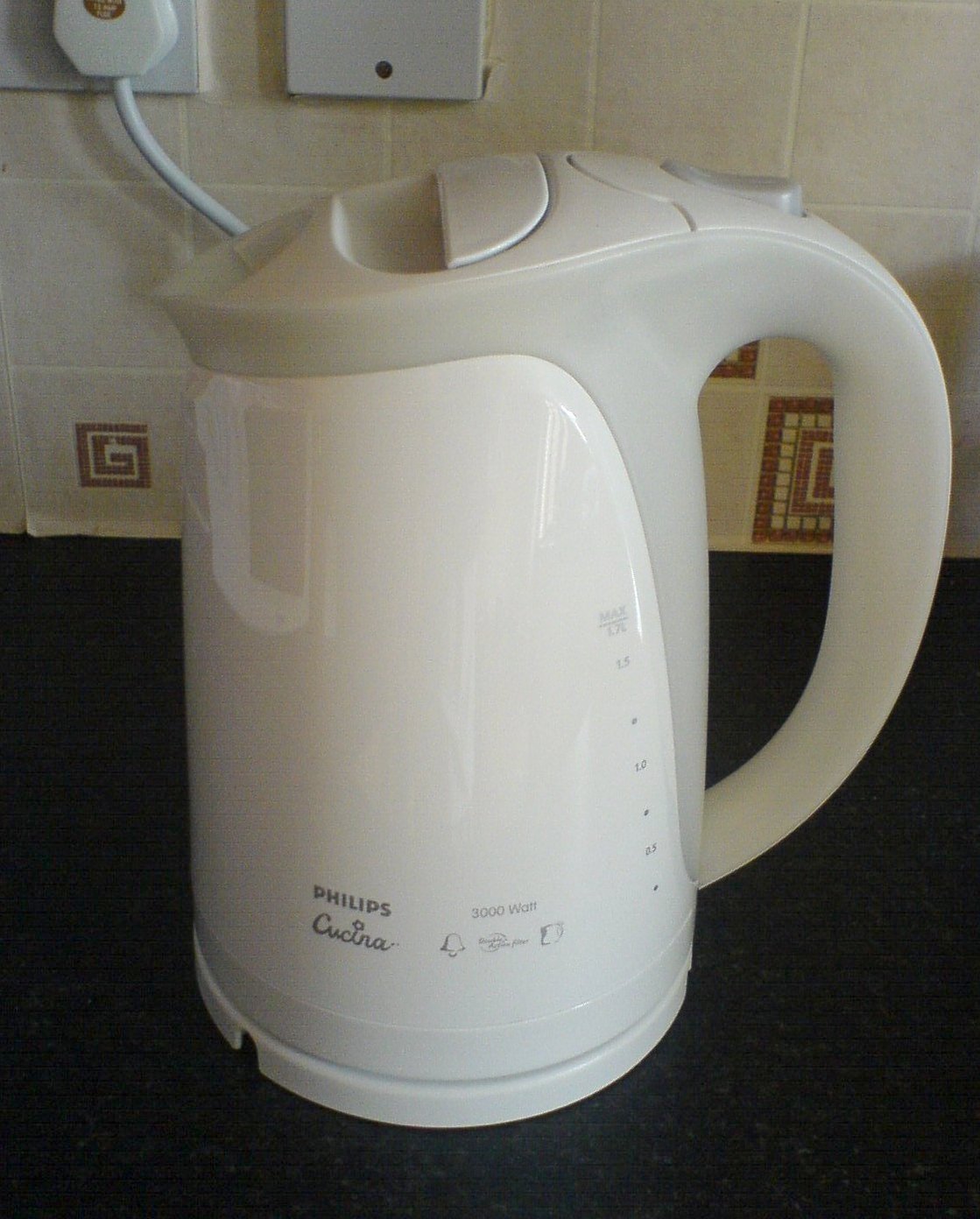
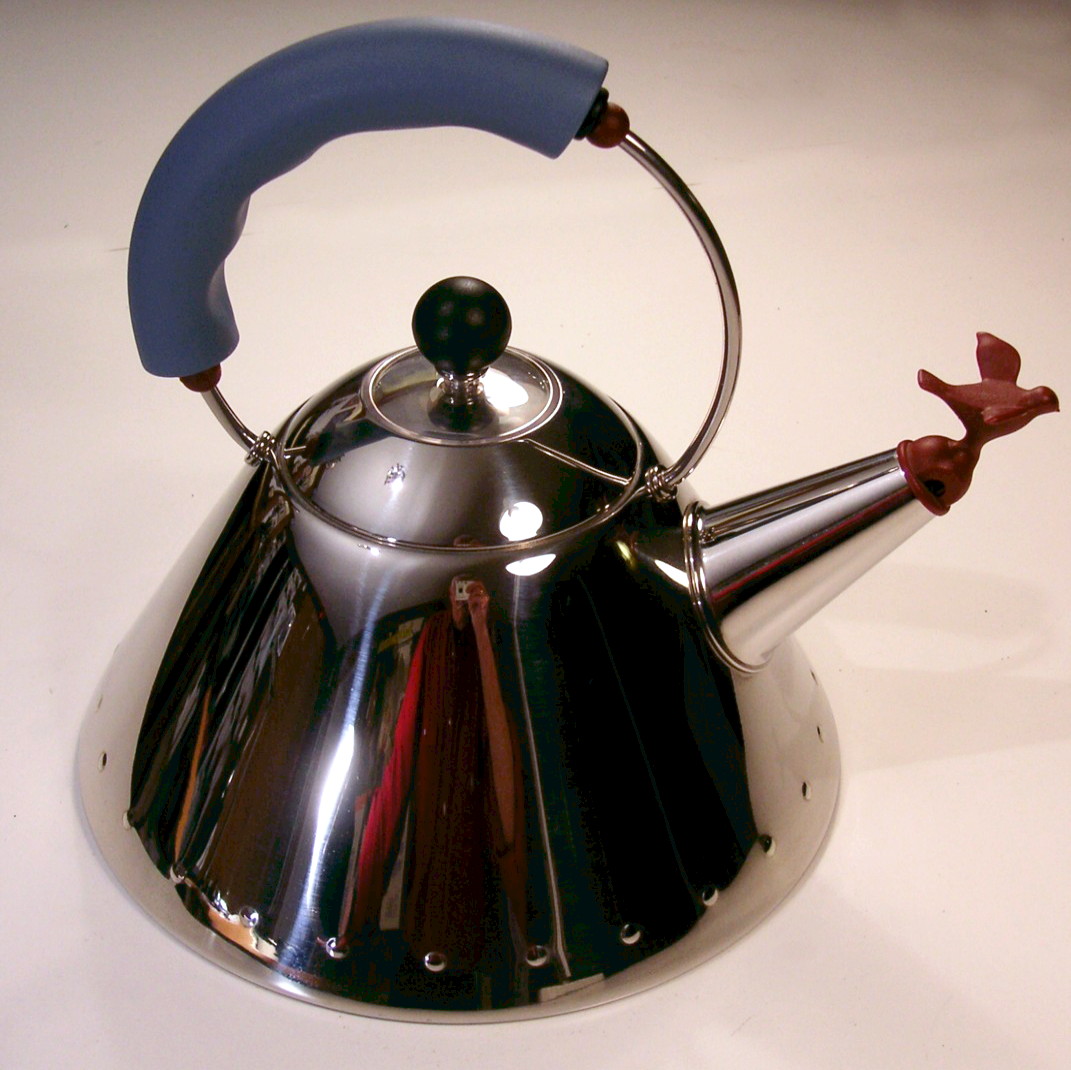
Most kettles share a few common features: a heat-resistant body, a handle, a spout for pouring, and often a lid. Materials vary: metal bodies (stainless steel, iron or earlier copper) conduct heat quickly; ceramic and clay offer different thermal properties and aesthetic choices. Historically many kettles were crafted from copper or iron, while some modern units employ plastic components in non-heated sections. Stovetop types are adapted to sit on a stove or grate, whereas electric versions plug into a mains supply and heat internally.
History and development
Kettles evolved from simple cooking pots hung over fires: small vessels were suspended by a handle from a hook or placed on a rack above the fire. The basic function — heating water — remained constant while materials and designs changed. Early household kettles were often ceramic or clay, then metalwork advanced to produce durable copper and iron kettles. The adoption of stoves and rangetops shifted form and functionality, and later the invention of the electric kettle brought faster heating and automatic shutoff.
Types and examples
- Stovetop kettles: classic whistling or non-whistling models placed on the stove or rangetop to boil water.
- Electric kettles: self-contained units that boil water quickly using a built-in element; popular for speed and convenience.
- Ceramic and clay kettles: traditional in some cultures, used for both heating and serving; sometimes double as decorative pieces.
- Specialized kettles: kettles with filters, pour-over designs for coffee, or insulated models to retain heat.
Uses, cultural notes and regional differences
Kettles are central to beverage preparation (for example tea and instant coffee), sterilizing water for cooking or baby care, and some culinary tasks requiring hot water. They occupy an especially prominent role in British and Commonwealth households, where kettles are ubiquitous appliances; see references to usage in the United Kingdom and across the Commonwealth. In contrast, other regions such as the United States historically relied more on stovetop pots or coffee makers, though electric kettles have become more common worldwide.
Safety, maintenance and selection tips
When choosing a kettle consider material, capacity, heating speed, and safety features like automatic shutoff and boil-dry protection. Regular descaling preserves performance, especially where water hardness is high. For stovetop kettles, a whistling spout warns when water reaches a boil; for electric kettles, look for stable bases and insulated handles. For background on equipment and appliances consult product guides and household resources like ceramic craft references and appliance pages.
Notable fact: Despite simple function, kettles show wide variation in design, reflecting local fuel sources, manufacturing traditions and cultural preferences. For general household appliance information see boiling-related entries and manufacturer guides at kitchen hardware sources.
Questions and answers
Q: What is a kettle?
A: A kettle is a type of pot that is used in a kitchen to make water hot or to boil water.
Q: Where does the word "kettle" come from?
A: The word "kettle" comes from the Latin word catillus, which means "deep pan or dish for cooking."
Q: What were kettles made of in the past?
A: Kettles were made of metal bins like copper in the past.
Q: Where were kettles put in the past?
A: Kettles were put on a rack or a hook above the fire to become hot in the past.
Q: What are kettles made of now?
A: Kettles are now made of metal, ceramic or clay, and some people have electric kettles that are usually plastic or metal and plug into the wall to use electricity to generate heat.
Q: What is the common use of kettles?
A: Kettles are often used to make tea.
Q: Where are kettles more common than other places?
A: Kettles are more common in the United Kingdom and the Commonwealth than other places like the United States.
Related articles
Author
AlegsaOnline.com Kettle: history, types, uses, and cultural significance Leandro Alegsa
URL: https://en.alegsaonline.com/art/53064
Sources
- etymonline.com : "Online Etymology Dictionary"