
Fish farm (aquaculture): methods, species, history and environmental issues
Fish farms (aquaculture) are controlled rearing systems for fish and other aquatic organisms. This article explains methods, common species, history, uses, environmental concerns and management approaches.
Overview
Fish farming, commonly called aquaculture, is the intentional rearing of fish and other aquatic organisms for human consumption, restocking wild populations, or the ornamental trade. Most operations produce food, but scale and purpose range from small family ponds to integrated commercial enterprises.
Image gallery
10 Images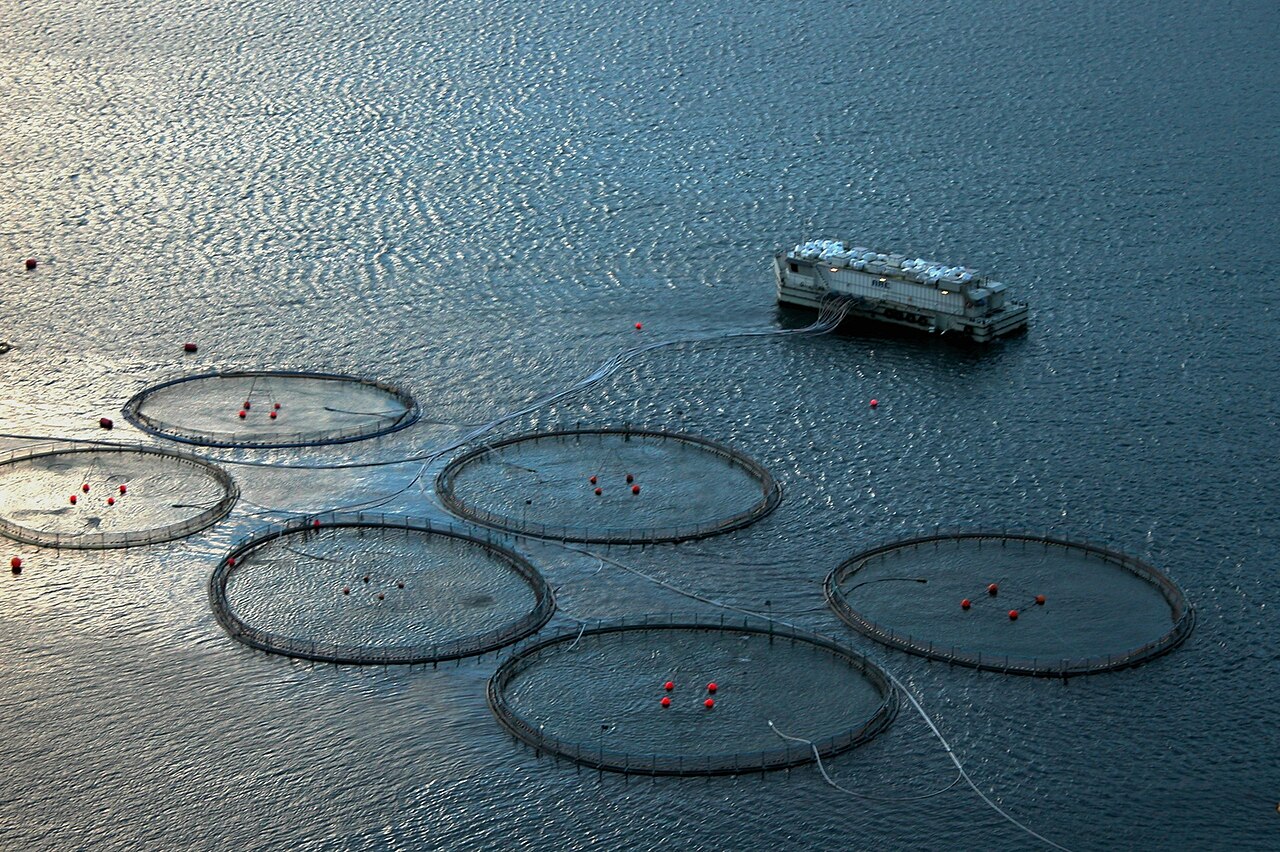


Methods and facilities
Production takes place in diverse facilities. Two broad categories are land-based systems such as tanks, ponds and raceways, and open-water enclosures placed in oceans, lakes or rivers. Technologies differ in water exchange, stocking density, and environmental control: closed systems offer more biosecurity, while open systems rely on natural water bodies.
Common species
Commercial aquaculture commonly produces salmon, carp, tilapia, catfish and cod, among others. Selection depends on climate, local markets and technical capacity; many farms also cultivate shrimp, mussels, oysters and seaweeds for dietary and economic value.
History and development
Managed fish culture has ancient origins, with pond systems recorded in multiple early societies. Industrial-scale aquaculture expanded in the 20th century as selective breeding, formulated feeds and veterinary care improved productivity. In recent decades it has become a major source of the world's seafood supply.
Uses and importance
Aquaculture contributes to food security, employment and export earnings. It can reduce pressure on overfished wild stocks when producers follow sustainable practices. The sector also drives innovation in nutrition, genetics and water treatment technologies that benefit broader food production systems.
Environmental and health concerns
Fish farms pose several challenges. Escapes can affect wild gene pools, high densities may foster disease and the use of chemicals or antibiotics can have downstream effects. Nutrient runoff and habitat alteration are common concerns; consumers and regulators also focus on residue testing and supply-chain transparency.
Management, regulation and best practices
Responsible aquaculture emphasizes careful site selection, biosecurity, improved feed formulations and waste management to limit impacts. Certification programs, licensing and monitoring help raise standards. Ongoing research aims to reduce environmental footprints through closed containment, plant-based feeds and integrated multi-trophic systems.
- Common system types: tanks, ponds, cages, raceways
- Benefits: food production, jobs, innovation
- Key risks: escapes, disease, water quality
Related articles
Author
AlegsaOnline.com Fish farm (aquaculture): methods, species, history and environmental issues Leandro Alegsa
URL: https://en.alegsaonline.com/art/34617