
Drawer (furniture): design, parts, history and uses
A drawer is a sliding storage component in furniture and cabinetry. This article covers its parts, construction, history, common uses, and important distinctions for home and commercial applications.
A drawer is a sliding storage compartment commonly built into furniture, cabinetry and standalone chests. Often found in dressers, desks and kitchen units, a drawer pulls out on runners so contents are accessible while remaining contained when closed. Drawers are a basic element of furniture design and are used for general storage, organization and specialized functions. Many are arranged in stacks within a chest of drawers, while others are single units in a cabinet or table.
Image gallery
7 Images



Characteristics and common features
Typical drawers are wider than they are tall, with a front face that conceals the interior. Construction varies from simple open boxes to complex modules with full-extension slides, soft-close mechanisms and integrated locks. Materials range from solid wood and plywood to metal and plastic. Most drawers incorporate a pull such as a handle or knob; decorative and functional options are numerous and often chosen to match the piece of furniture or its use. See itemized parts below for common terms.
Parts and construction
- Face/front: visible panel that closes the opening and often mounts the hardware.
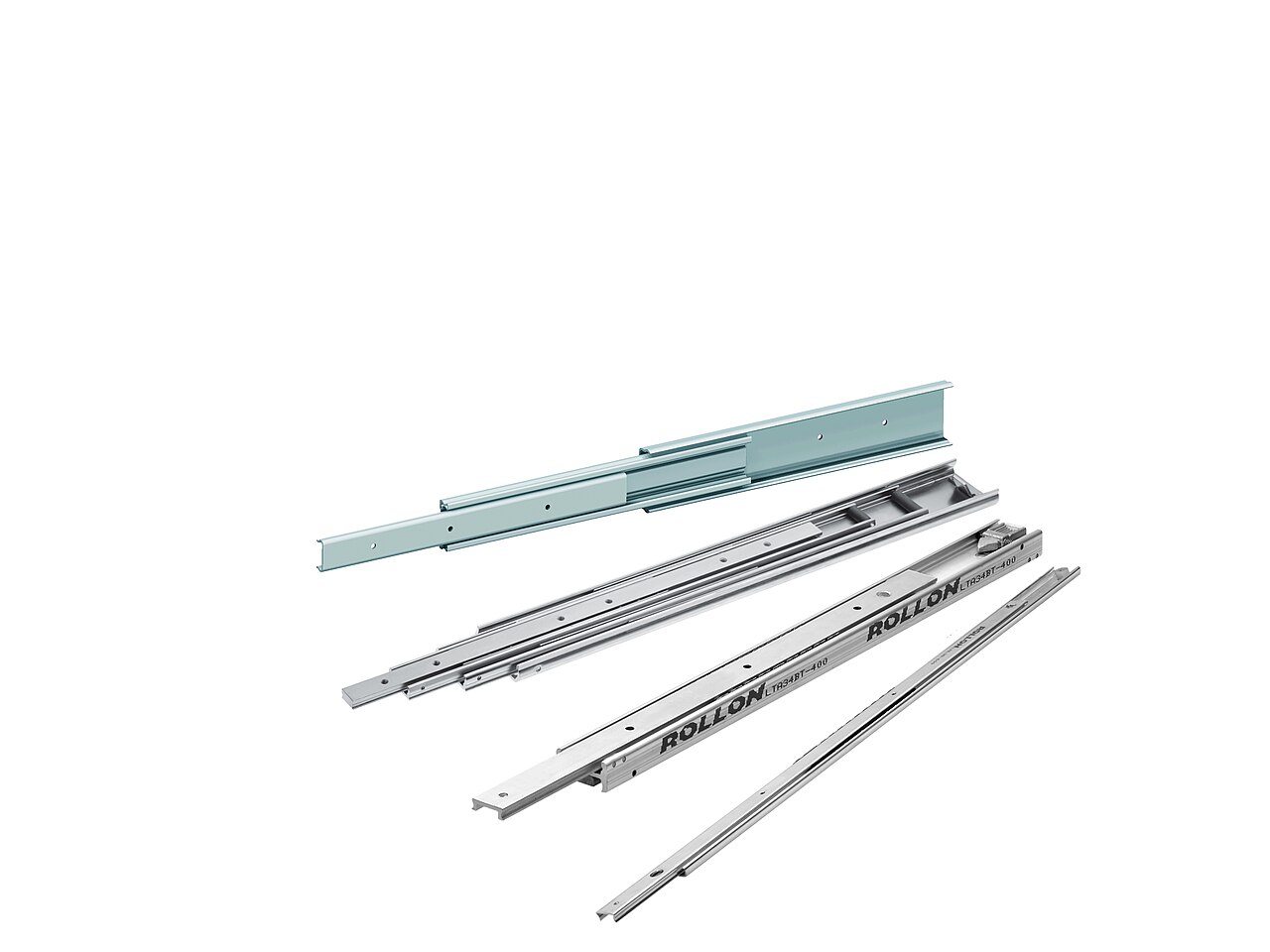
- Slides/runners: elements that guide movement; can be wooden, metal ball-bearing, or roller types.
- Sides, bottom and back: form the enclosure; joinery may include dovetails, dados or butt joints.
- Handles and knobs: used to pull the drawer; many styles and materials exist (handles and knobs).
- Stops and locks: prevent full removal or provide security for contents.
Joinery and slide selection affect load capacity and longevity. Full-extension slides allow the entire interior to be accessed, while partial slides limit travel.
History and evolution
Drawers evolved from early storage chests and cabinets: simple boxes were adapted with sliding compartments as joinery and woodworking advanced. By the 17th and 18th centuries, cabinetmakers were producing multi-drawer chests and desks. Industrial manufacturing in the 19th and 20th centuries standardized sizes and introduced metal slides, improving durability. Modern innovations include soft-close damping, concealed runners and modular inserts for specialized storage.
Uses, variants and practical notes
Drawers serve countless roles: clothing storage in bedrooms, utensil and cutlery organization in kitchens, file drawers in offices, and compartmentalized tool drawers in workshops. Variants include shallow cutlery drawers, deep storage drawers, file-size drawers for hanging folders, and under-bed drawers for space-saving. Safety considerations include weight limits, anti-tip devices on tall furniture, and childproof latches for hazardous contents.
Distinguishing a drawer from a shelf is straightforward: a drawer is a movable box that slides out, while a shelf is a fixed horizontal surface. Removable inserts, dividers and custom liners make drawers adaptable to many needs. For general design guidance and restoration, consult furniture-making or cabinetry resources and manufacturers linked through product and design references.
Author
AlegsaOnline.com Drawer (furniture): design, parts, history and uses Leandro Alegsa
URL: https://en.alegsaonline.com/art/28894