
Canadian Prairies: geography, ecology, history and importance
Region of western Canada dominated by grasslands and mixed landscapes across Alberta, Saskatchewan and Manitoba; covers physical geography, ecology, human history, agriculture and conservation.
Overview
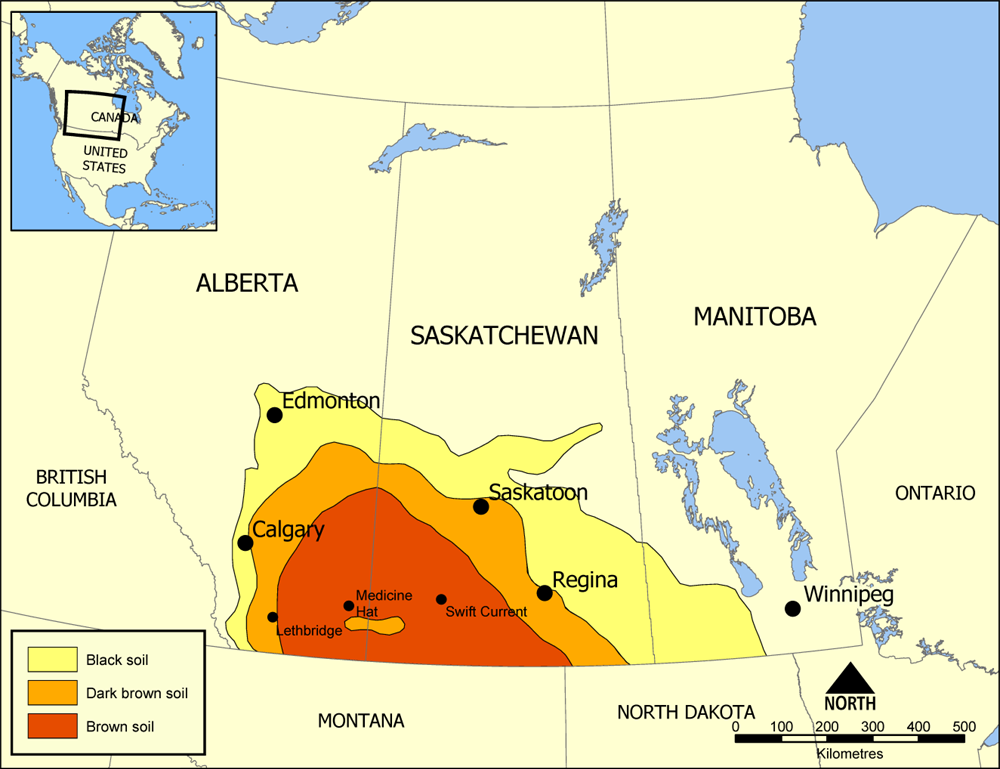
The Canadian Prairies form a broad region in western and central Canada characterized by extensive grasslands, open horizons and an agricultural economy. Common usage calls the area the "Prairie provinces," which principally refers to Alberta, Saskatchewan and Manitoba. The term "prairies" properly describes the temperate grassland ecosystems of the southern parts of these provinces, rather than the whole political territories.
Image gallery
7 Images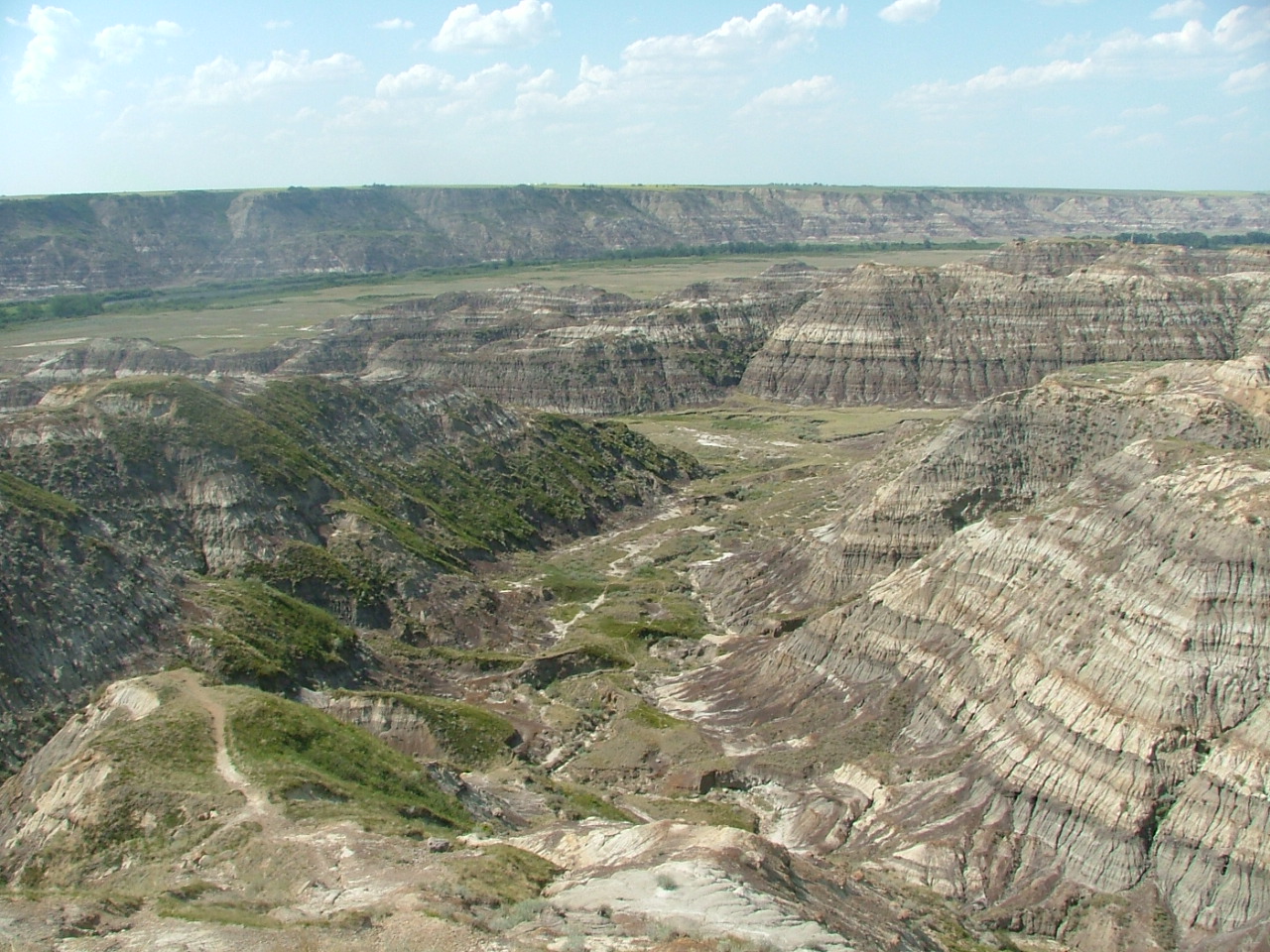




Geography and major features
The region sits on the Canadian Interior Plains and includes a mosaic of landforms: true prairie grasslands in the south, patches of boreal forest to the north, river valleys and wetlands, and in places the eastern edge of the Rocky Mountains. Parts of Manitoba and northern Saskatchewan also reach into the ancient rocks of the Canadian Shield. The word "prairie" in ecological contexts points to grass-dominated ecosystems rather than provincial boundaries (prairie).
Climate and ecology
Climate is continental — cold winters and warm to hot summers — with precipitation decreasing from east to west and from north to south. Native vegetation ranges from mixed-grass and fescue prairie to aspen parkland and boreal forest. These grasslands support a variety of grasses, wildflowers and wildlife, including ground-nesting birds, small mammals and large grazers where habitat remains intact.
History and human settlement
Indigenous peoples, including Plains First Nations and Métis communities, lived and travelled across the grasslands for millennia before European contact. From the late 19th century the Canadian Pacific Railway and immigration policies encouraged large-scale settlement and conversion of native prairie to cropland and pasture. Towns and cities grew around transportation hubs and resource development.
Economy and land use
Agriculture is central: wheat, canola and other cereal and oilseed crops dominate, alongside cattle ranching. Energy and resource sectors — oil and gas in Alberta, potash and other minerals in Saskatchewan and Manitoba — also play large roles. Urban centres support services, manufacturing and research tied to prairie economies.
Conservation, threats and distinctions
Less than 20% of original native prairie remains in a largely continuous state, making conservation a priority. Threats include intensive farming, habitat fragmentation, invasive species and climate change. Distinguishing terms is important: "Prairie provinces" is a political label for the three provinces, while "prairie grasslands" refers to the ecological communities concentrated in the southern portions of those provinces. For regional studies and further reading see resources on the region and its provinces: regional overview, Canada, Alberta, Saskatchewan, Manitoba, prairie ecosystems and the Canadian Shield.
Related articles
Author
AlegsaOnline.com Canadian Prairies: geography, ecology, history and importance Leandro Alegsa
URL: https://en.alegsaonline.com/art/16476