
Manitoba (Canadian province)
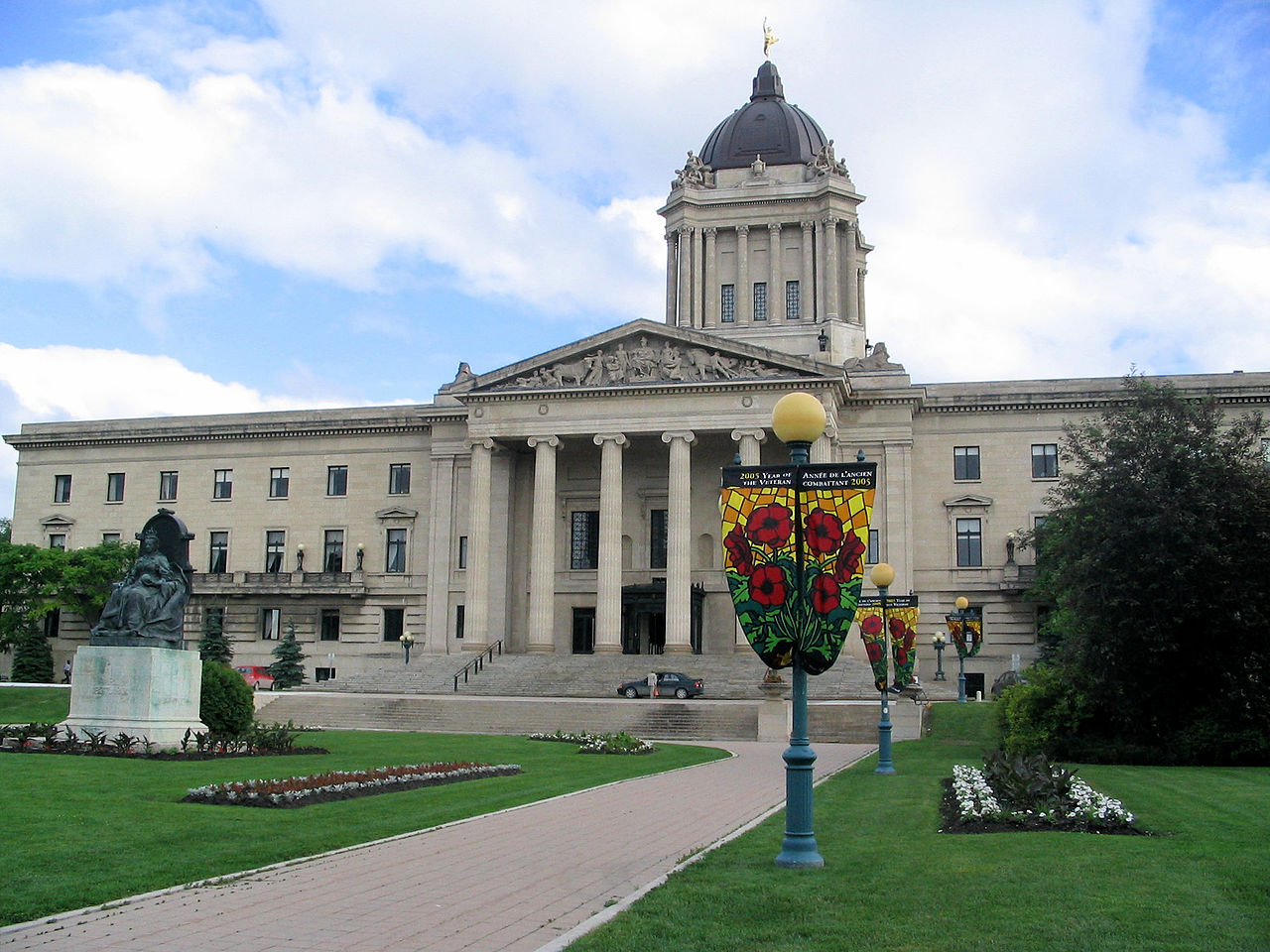
Manitoba is a central Canadian province of plains, forests and lakes. Its capital is Winnipeg; area about 648,000 km² and population roughly 1.38 million (2020).
Overview
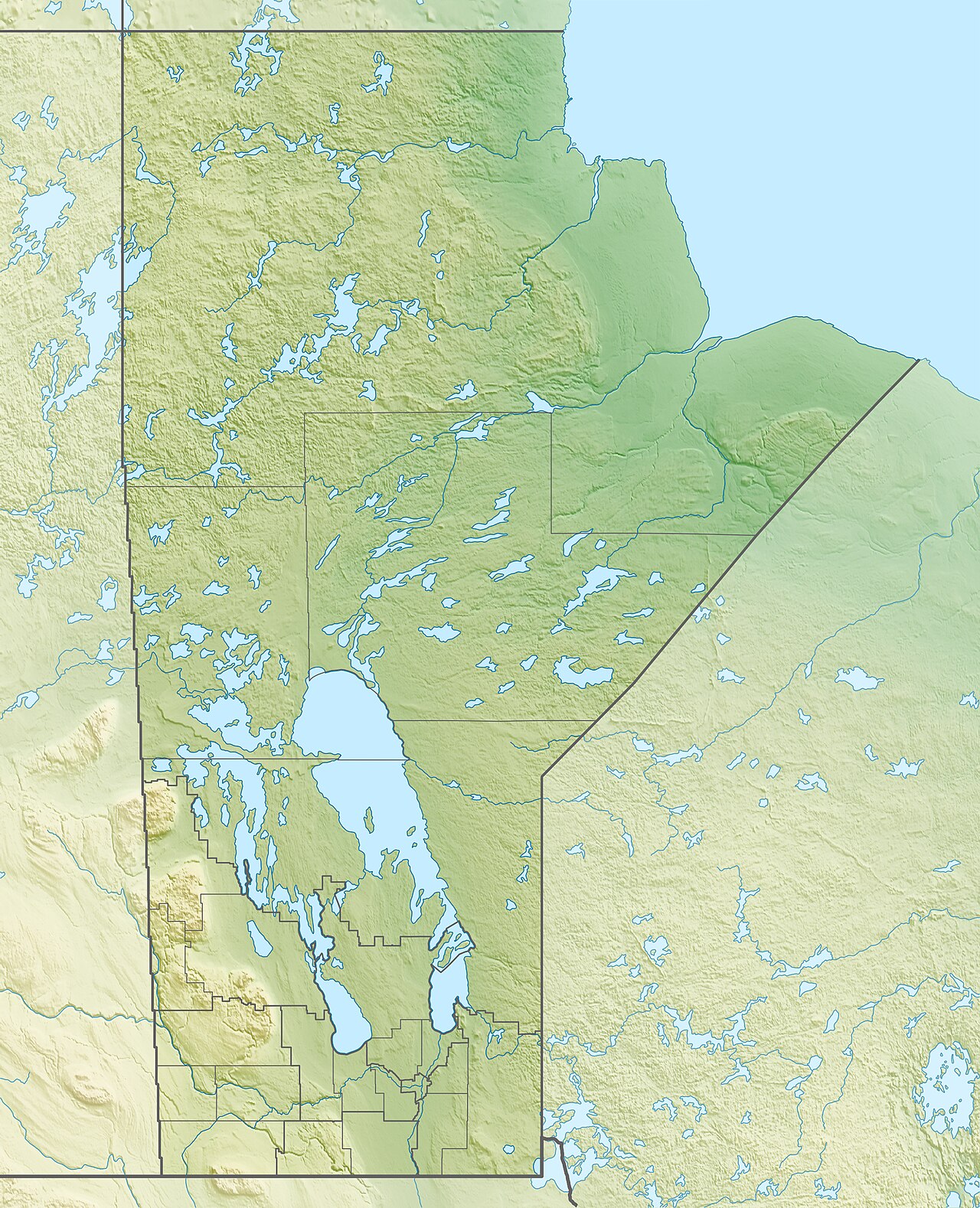
Manitoba is a province in the geographic centre of Canada. It combines prairie, boreal forest and a long Arctic-influenced coastline on Hudson Bay. Manitoba covers roughly 648,000 square kilometres and had an estimated population of about 1.38 million people in 2020. Residents are commonly known as Manitobans.
Image gallery
10 Images





Geography and climate
Manitoba stretches from agricultural plains in the south to forests, lakes and tundra in the north. Lake Winnipeg, one of the largest freshwater lakes in Canada, and many smaller lakes and rivers are prominent landscape features. The province experiences a continental climate: warm summers on the prairies and cold winters, with conditions moderated near large water bodies.
Regions and notable places
- Winnipeg — the provincial capital and largest city, a cultural and transportation hub.
- Interlake — the plain between Lake Winnipeg and Lake Manitoba, known for mixed agriculture.
- Hudson Bay coast and northern tundra — important for wildlife and Indigenous communities.
- National and provincial parks — including areas for recreation, conservation and ecotourism.
History and people
Indigenous peoples, including Cree, Ojibway (Anishinaabe) and Métis, have lived in the region for millennia. European contact brought the fur trade and later settlement; Manitoba entered Canadian Confederation in 1870. The province’s identity reflects Indigenous, Métis and settler histories, languages and cultures, with communities ranging from urban neighbourhoods to remote northern settlements.
Economy and infrastructure
Agriculture (grain and livestock), hydroelectric power, mining and transportation are key economic sectors. Manitoba benefits from extensive freshwater resources that support hydroelectric generation and fisheries. Winnipeg serves as a commercial and logistical centre, with rail and highway links across central Canada and toward ports on Hudson Bay.
Culture and significance
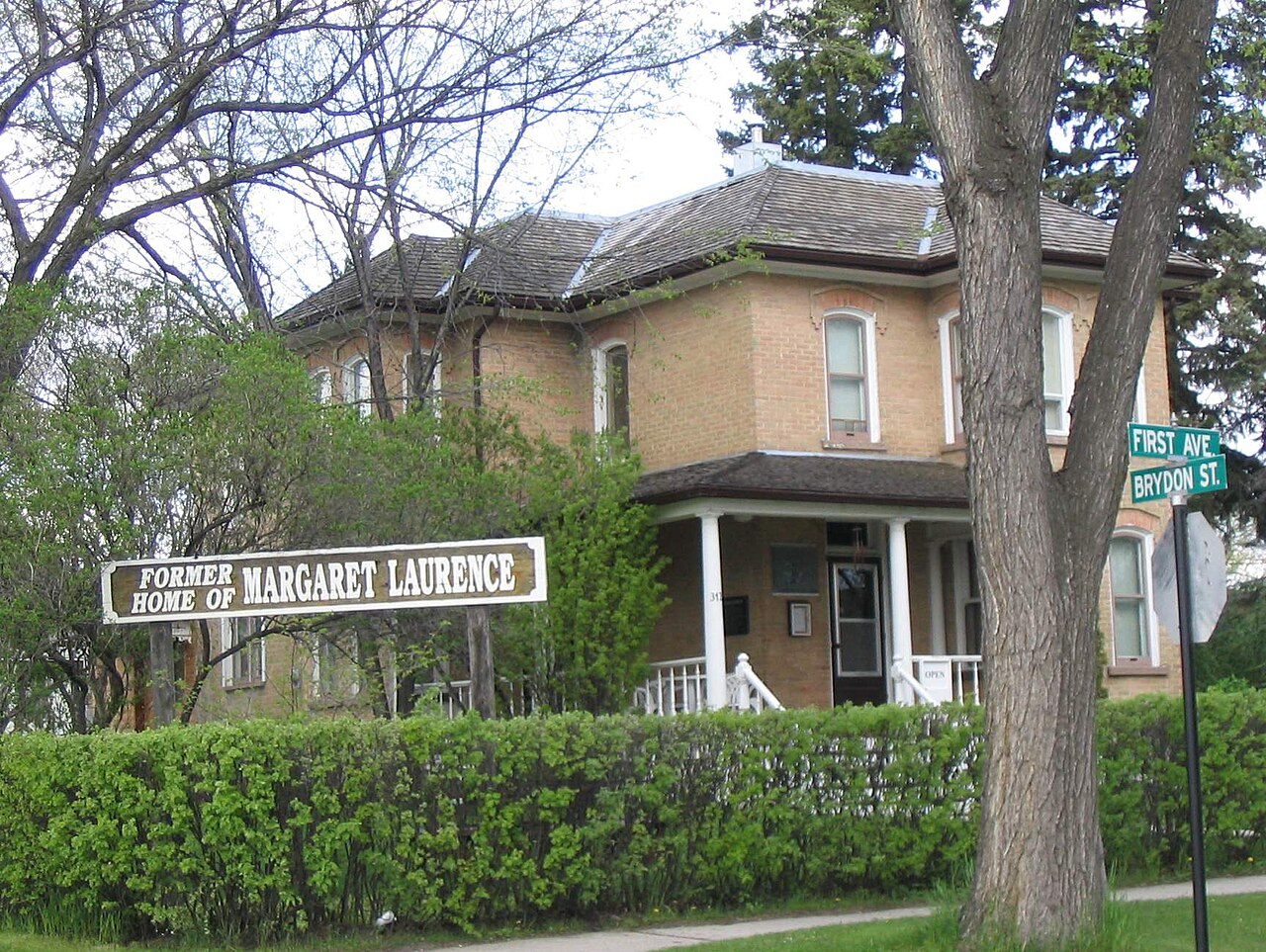
Manitoba hosts festivals, museums, and performing-arts institutions that reflect its cultural diversity. It is known for outdoor recreation — fishing, birdwatching and viewing polar bears and northern lights in the far north — as well as contributions to Canadian music, literature and cuisine. The province’s mix of environments and peoples makes it a notable part of Canada’s geographic and cultural landscape.
Related articles
Author
AlegsaOnline.com Manitoba (Canadian province) Leandro Alegsa
URL: https://en.alegsaonline.com/art/61353
Sources
- www12.statcan.gc.ca : "Population and dwelling counts, for Canada, provinces and territories, 2016 and 2011 censuses" · web.archive.org
- www5.statcan.gc.ca : "Estimates of population, Canada, provinces and territories" · web.archive.org
- slmc.uottawa.ca : "The legal context of Canada's official languages"
- statcan.gc.ca : Gross domestic product, expenditure-based, by province and territory (2015) · webcitation.org