
Cantal (French department)
Cantal, in the Massif Central of Auvergne-Rhône-Alpes, is a rural French department known for its volcanic mountains, pastoral agriculture, Aurillac town and the cheese that bears its name.
Overview
Cantal is a French department located in south-central France. It lies within the administrative Auvergne-Rhône-Alpes region and has its administrative center or prefecture at Aurillac. The department takes its name from the Mounts of Cantal, a distinctive highland area that is part of the Massif Central.
Image gallery
10 Images



Geography and geology
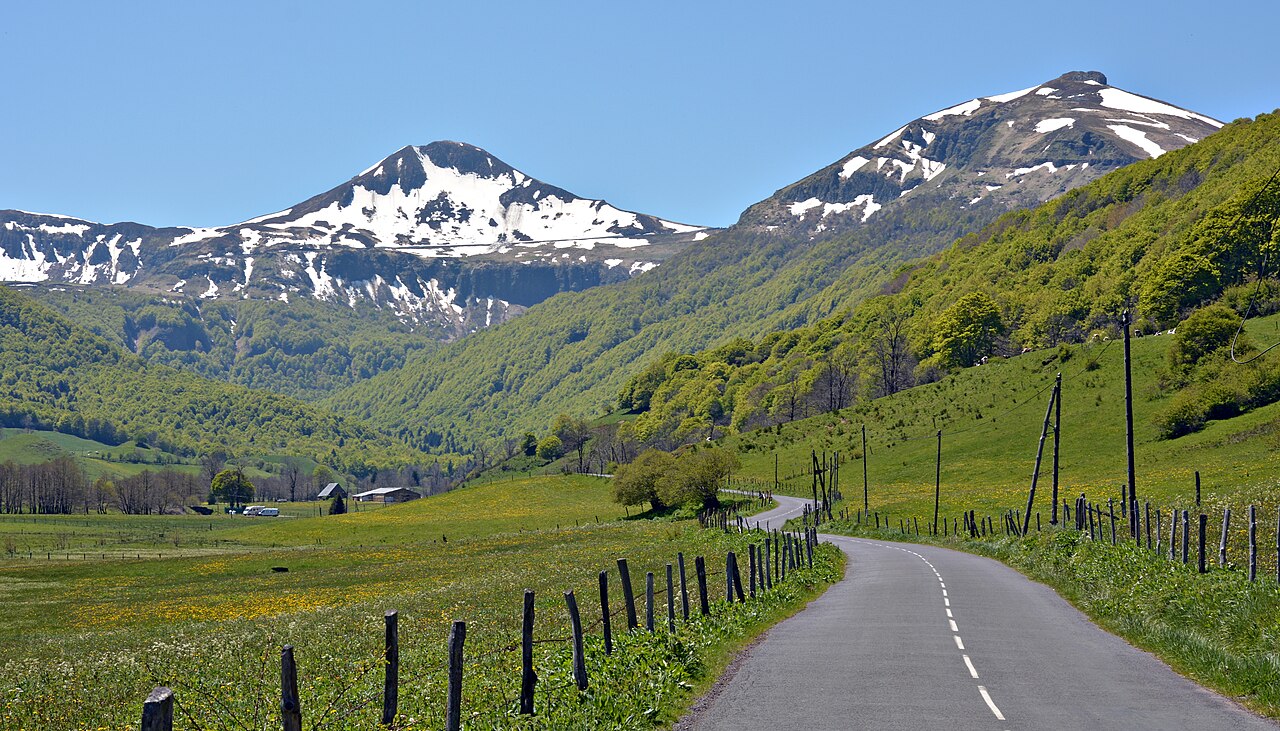
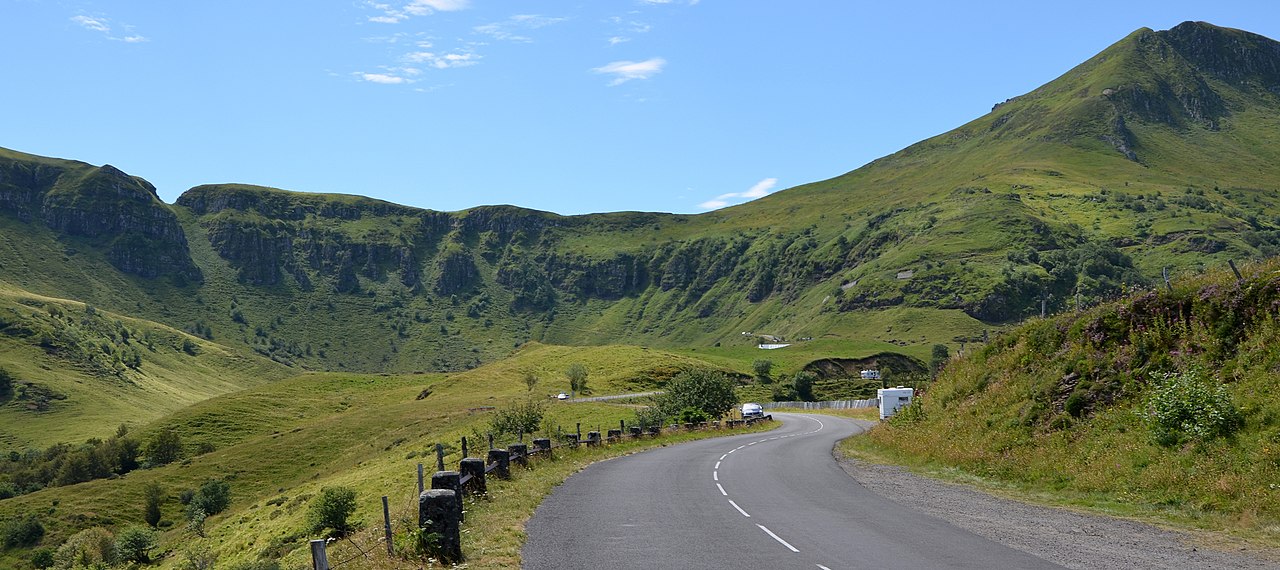
The landscape of Cantal is dominated by ancient volcanic formations. The Mounts of Cantal are the eroded remains of a large, long-extinct volcano, producing rounded peaks, deep valleys and high plateaus. Rivers cut through the uplands to form fertile basins, and the variety of altitudes supports moorland, pastures and coniferous woodlands. Seasonal climates range from cool mountain conditions to milder valley weather, making the area attractive for outdoor activities year-round.
Administration and settlements
Although primarily rural, Cantal contains several market towns and communes clustered around Aurillac, which functions as the department's economic and cultural hub. Other notable local centers serve as focal points for local services, schools and small industries. Administrative divisions reflect France's system of departments, cantons and communes, and local councils manage regional planning and services.
Economy, agriculture and products
Agriculture is the backbone of Cantal's economy. Extensive pastures support cattle rearing and dairy production, from which the well-known Cantal cheese is derived. Small-scale farms produce meat, dairy and mountain crops, and local artisans preserve traditional food and crafts. Tourism linked to nature, gastronomy and heritage has become increasingly important to the local economy.
Culture, tourism and activities
Cultural life centers on festivals, markets and outdoor leisure. Aurillac hosts events and serves as a gateway for visitors to mountain trails, ski slopes and natural parks. Attractions include scenic drives across volcanic plateaus, hiking routes, historic villages and local museums that explain the geology and rural traditions of the area.
Notable facts and distinctions
- Mounts of Cantal: large volcanic massif shaping the region's topography.
- Cultural hub: Aurillac provides administrative services and festivals.
- Local products: rich dairy tradition with Cantal cheese and pastoral farming.
- Outdoor recreation: hiking, winter sports and protected natural areas.
For readers seeking more, local tourism offices and regional conservation organizations provide visitor information, maps and calendars of cultural events. The mixture of geology, rural traditions and compact towns gives Cantal a distinctive character within France's mountainous interior.
Questions and answers
Q: Where is Cantal situated?
A: Cantal is a department situated in south-central France in the Auvergne-Rhône-Alpes region.
Q: Which city serves as its prefecture?
A: Aurillac serves as the prefecture for Cantal.
Q: What is Cantal named after?
A: Cantal is named after the Mounts of Cantal, a range of mountains located in the Massif Central.
Q: Can you tell me which region Cantal belongs to?
A: Cantal belongs to the Auvergne-Rhône-Alpes region.
Q: What kind of mountains can be found in this department?
A: The mountain range found in Cantal is called the Massif Central.
Q: What is the significance of Mounts of Cantal for this department?
A: Cantal is named after the Mounts of Cantal, which are a group of mountains known for their scenic beauty and a popular tourist destination.
Q: What is the administrative status of Cantal?
A: Cantal is a department of France, which has its own administrative structure and is governed by a prefect.
Related articles
Author
AlegsaOnline.com Cantal (French department) Leandro Alegsa
URL: https://en.alegsaonline.com/art/16617
Sources
- cantal.fr : "L'Assemblée"
- insee.fr : "Populations légales 2014 des départements et des collectivités d'outre-mer"
- splaf.free.fr : "Historique du Cantal"
- peakbagger.com : "Plomb du Cantal, France"
- weatherbase.com : "Aurillac, France - Köppen Climate Classification"
- insee.fr : "Régions, départements, arrondissements, cantons et communes"
- legifrance.gouv.fr : "Décret n° 2014-149 du 13 février 2014 portant délimitation des cantons dans le département du Cantal"
- habitants.fr : "Cantal"