
Cañar Province, Ecuador: geography, history, and key features
Cañar is an Andean province of Ecuador with Azogues as its capital. Known for its indigenous Cañari heritage and the Inca site of Ingapirca, it combines highland landscapes, agriculture, and cultural tourism.
Cañar is a province in the southern highlands of Ecuador whose capital and administrative center is the city of Azogues. The region occupies a portion of the Andean mountain range and inter-Andean valleys, producing a mix of mountainous landscapes and lower valley corridors. Its economy blends smallholder agriculture, livestock, artisanal production and services linked to local markets and tourism.
Image gallery
1 Image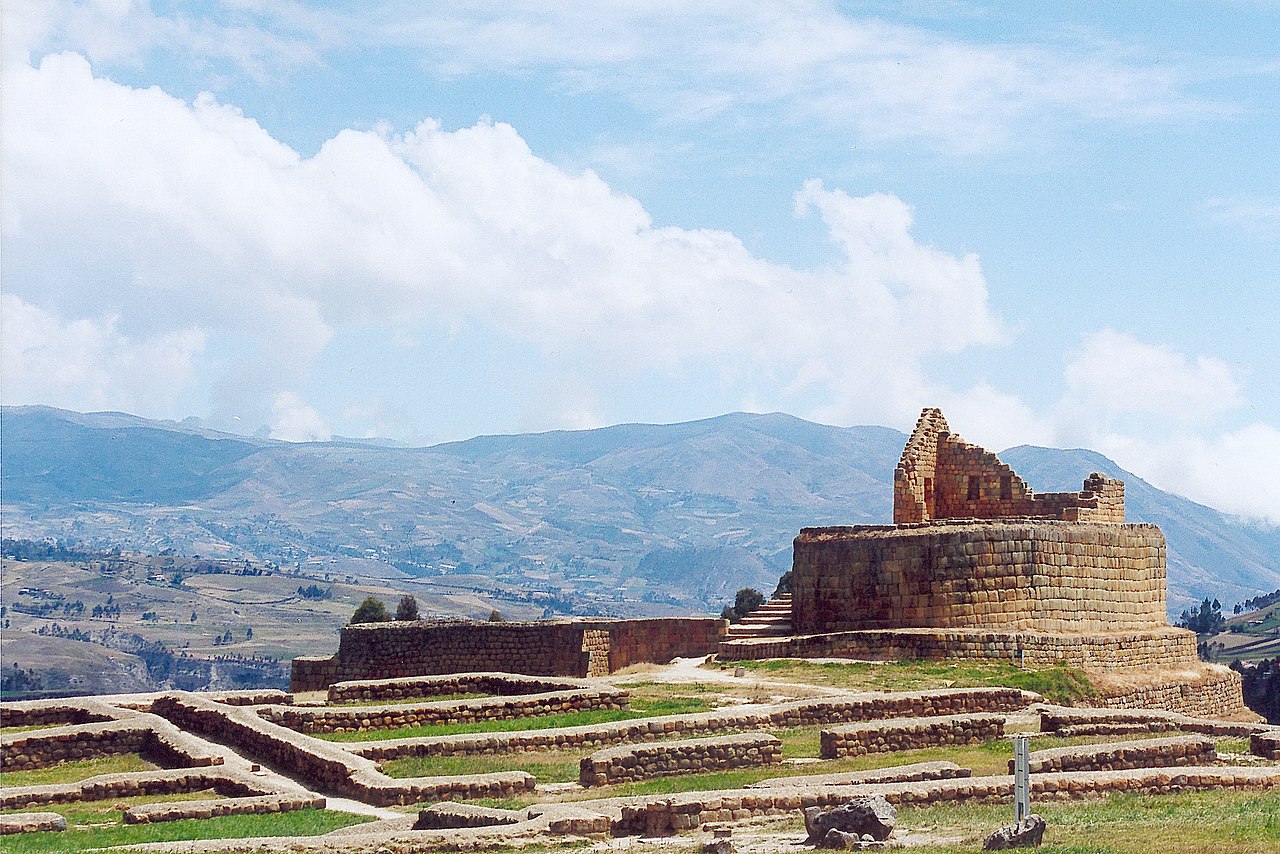
Geography and climate
The province lies in the Andean zone, so elevation varies considerably between communities. Higher zones are cool and suited to tuber and cereal cultivation, while some valleys have milder temperatures and more diverse crops. Weather is controlled largely by altitude: nights can be cold at higher elevations and warmer in valleys. The terrain includes steep slopes, cultivated terraces and river valleys that have shaped settlement and farming patterns for centuries.
History and cultural identity
Cañar takes its name from the indigenous Cañari people who inhabited the area long before the Inca expansion. The Cañari developed complex societies and farming systems in the highlands; later the Inca incorporated the region into their empire. Spanish colonial rule introduced towns, churches and new political structures while indigenous cultural practices persisted. Today, strong local traditions reflect a blend of indigenous and Hispanic influences, and many communities maintain bilingualism in Spanish and native Kichwa (Quechua) or other local languages.
Economy and administration
The province is organized into administrative cantons with Azogues serving as the provincial capital. Most economic activity is rural and agricultural—common crops include potatoes, maize and other Andean staples—supplemented by livestock rearing and small-scale commerce. In recent decades services, construction and tourism have become increasingly important for urban and peri-urban populations.
Tourism and notable sites
Cañar is best known nationally for its archaeological and cultural attractions. The most famous site is Ingapirca, the largest well-preserved Inca architectural complex in Ecuador, which draws visitors interested in pre-Columbian history and Andean archaeology. Other attractions include traditional markets, colonial-era towns and scenic highland landscapes that support hiking and cultural tourism.
Distinctive features
- Strong indigenous heritage tied to the Cañari people and their descendants.
- Presence of Ingapirca, a major archaeological and tourist site.
- A varied highland geography that shapes local agriculture and settlement patterns.
As a province, Cañar represents a crossroads of history, culture and mountain ecology in southern Ecuador. Its communities maintain local traditions while adapting to economic changes, making the province both an important cultural area and a growing destination for visitors interested in Andean heritage.
Related articles
Author
AlegsaOnline.com Cañar Province, Ecuador: geography, history, and key features Leandro Alegsa
URL: https://en.alegsaonline.com/art/16492
Sources
- statoids.com : Cantons of Ecuador
- tools.wmflabs.org : 2°44′S 78°50′W / 2.733°S 78.833°W / -2.733; -78.833