
Cantabria: an overview of the Green Spain region
Cantabria is an autonomous community on Spain's northern coast, known for its Atlantic climate, green landscapes, prehistoric caves and the port city of Santander.
Cantabria is an autonomous community and historical region in northern Spain. It occupies a narrow strip between the Cantabrian Sea (part of the Atlantic) and the Cantabrian Mountains. The community is often called part of "Green Spain" for its lush, temperate landscape and relatively high rainfall compared with central and southern Spain.
Image gallery
10 Images

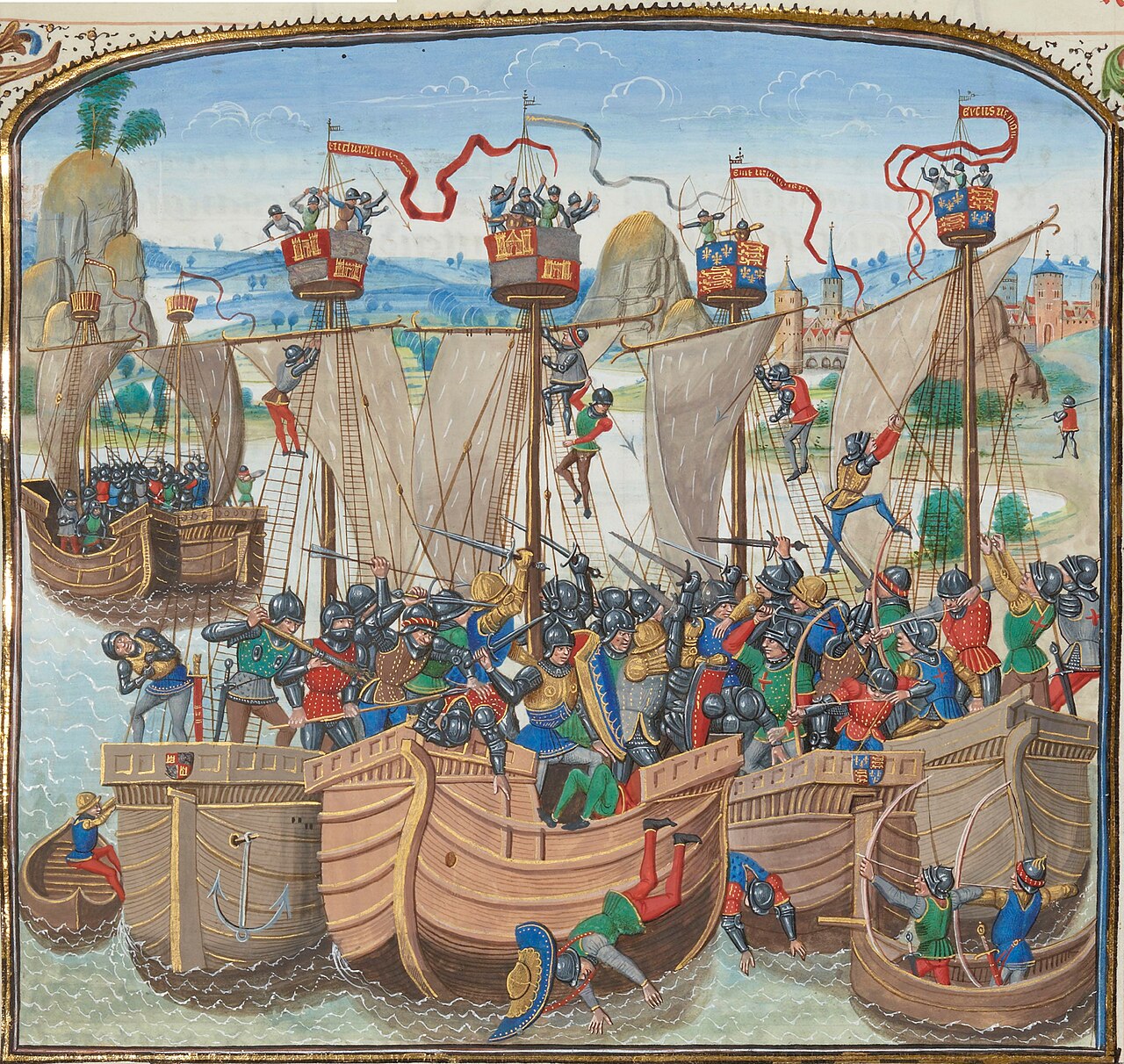


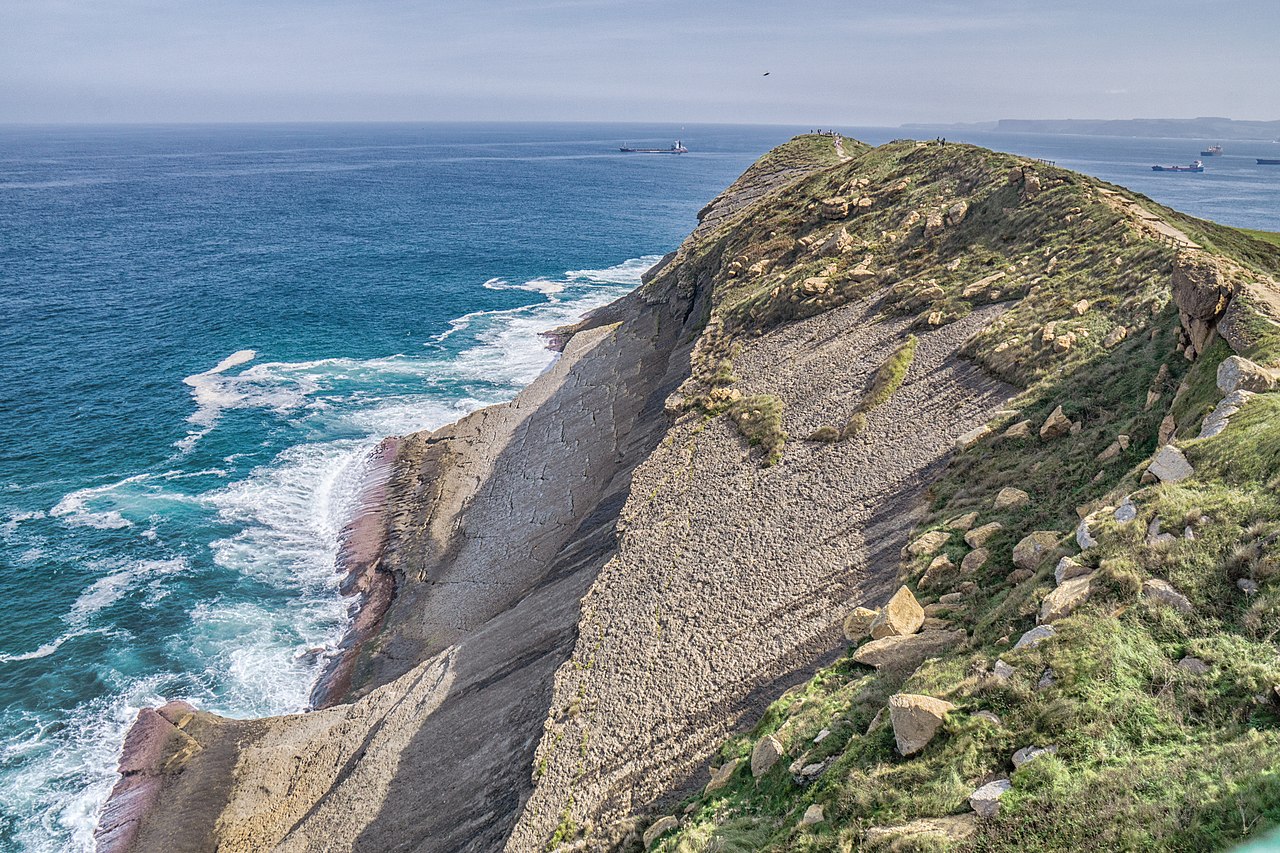
Geography and population
Cantabria's coast and inland mountains create varied scenery: sandy beaches and cliffs on the shore, rivers and valleys inland, and rugged peaks to the south. The region has a small population by Spanish standards — roughly half a million people — concentrated in coastal towns and the capital, Santander, which serves as the main commercial and cultural center. Most inhabitants speak Spanish, with local speech varieties and regional traditions present in villages and towns.
Government and identity
Cantabria is one of Spain's autonomous communities, which gives it self-government in many areas such as education, health and cultural affairs. Its institutions include a regional parliament and an executive that manage local policies and services; for more on administration see the region's official local government resources. Cantabrian identity blends regional customs, festivals and gastronomy with broader Spanish culture.
History and heritage
The area has a rich past from prehistoric settlement to medieval kingdoms. It is famous for Paleolithic cave art, most notably the Altamira caves, which attract attention for their ancient paintings and archaeological importance. Over centuries Cantabria developed maritime traditions, fishing and shipbuilding along its coast, and farming in its valleys and foothills.
Economy, tourism and culture
The economy mixes services, tourism, light industry and agriculture. Santander is an important port and tourist destination, known for its waterfront, beaches and cultural offerings. Rural Cantabria offers hiking in the mountains, coastal resorts, traditional cuisine and historical sites, making it a destination for both nature lovers and cultural tourism.
Notable places and distinctions
- Capital city: Santander, a coastal hub for commerce and tourism.
- Prehistoric sites: caves with Paleolithic art that are significant for archaeology.
- Natural setting: part of the so-called Green Spain belt between sea and mountains.
- Administrative status: an autonomous community with its own institutions; see general information on the region as a region.
Cantabria's combination of green landscapes, coastal culture and historical heritage gives it a distinct place within northern Spain. For general introductions and travel guidance consult Spain-wide overviews and regional visitor information such as those provided in Spanish-language sources and tourist portals (language resources and government pages).
Questions and answers
Q: What region is Cantabria in?
A: Cantabria is a region in the north of Spain.
Q: How many people live in Cantabria?
A: There are 563,000 people living in Cantabria.
Q: What language do most people speak in Cantabria?
A: Most people in Cantabria speak Spanish.
Q: Does Cantabria have autonomy within Spain?
A: Yes, the people of Cantabria have autonomy within Spain, which means they have their own local government and much control over their region.
Q: What is the capital city of Cantabria?
A: The capital city of Cantabria is Santander.
Q: Where is Santander located?
A: Santander is located on the coast of the Cantabrian Sea.
Q: What name has been given to the strip of land between the sea and mountains in northern Spain that includes Cantabria? A: This strip of land has been given the name "Green Spain".
Related articles
Author
AlegsaOnline.com Cantabria: an overview of the Green Spain region Leandro Alegsa
URL: https://en.alegsaonline.com/art/16616