
Camposaurus (Late Triassic neotheropod)
Camposaurus is a fragmentarily known neotheropod dinosaur from the Late Triassic of North America (≈205–210 mya), considered closely related to Coelophysis and placed near the Coelophysidae by several analyses.
Overview
Camposaurus is an extinct genus of early theropod dinosaur known from fragmentary remains dated to the Late Triassic of North America. It is often mentioned in the context of very early neotheropods and has been interpreted as a relative of small-bodied, gracile predators such as Coelophysis. Because its fossil record is incomplete, many aspects of its appearance and ecology remain uncertain, but most researchers agree it represents one of the more ancient members of the neotheropod lineage.
Image gallery
10 Images


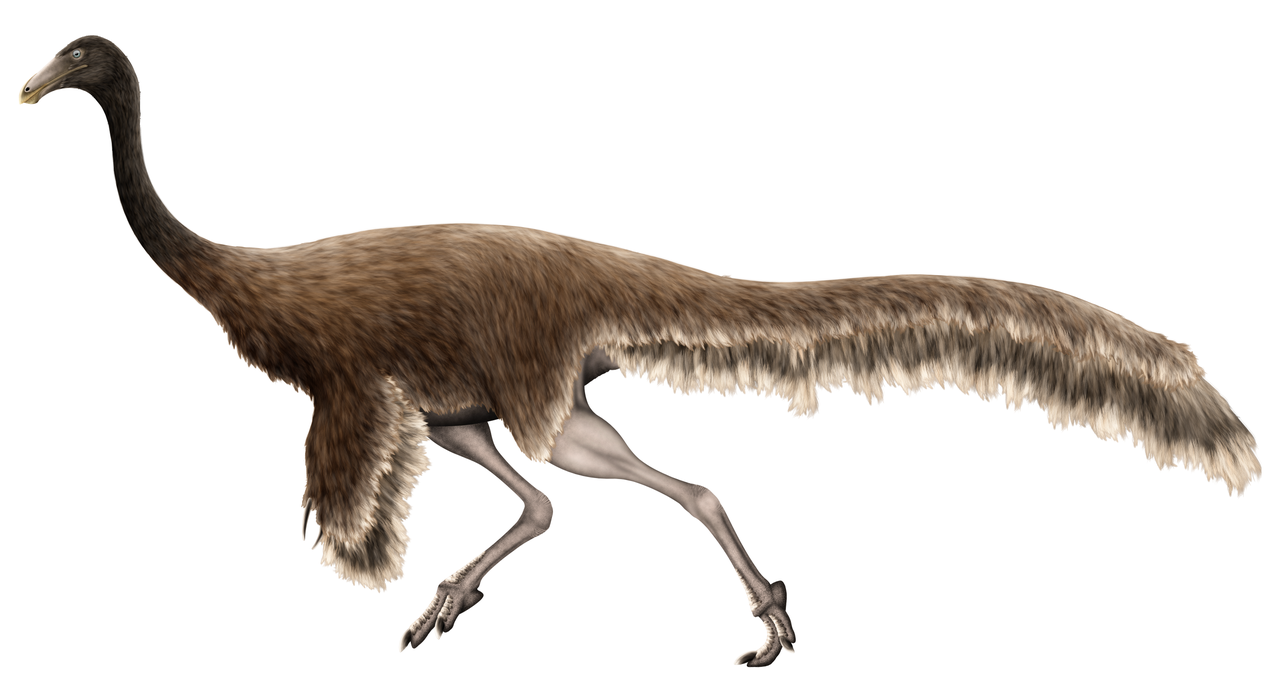


Discovery and naming
The type species, Camposaurus arizoniensis, is described from partial leg bones and associated fragmentary material recovered from Late Triassic strata in western North America. These fossils indicate an animal that lived roughly 205–210 million years ago. Because the preserved elements are limited, early accounts emphasized uncertainty; later anatomical studies examined preserved characters more closely and argued that the remains represent a distinct, diagnosable genus rather than indeterminate material.
Anatomy and distinguishing features
Known bones include portions of the lower hind limb, which preserve characters used in classification. A detailed study by Ezcurra and Brusatte identified two autapomorphies (unique derived traits) in the available material that support the validity of the genus. Comparative work has highlighted similarities in the tibia and ankle region between Camposaurus and some coelophysoid taxa. Because preserved elements are mainly from the leg, reconstructions of overall body size, skull shape and soft-tissue features remain tentative.
Classification and relationships
Phylogenetic analyses consistently place Camposaurus within Neotheropoda, the clade that includes most true theropods. Some studies recover it close to members of the family Coelophysidae; for example, detailed comparisons find affinities with Megapnosaurus (formerly associated with the name Syntarsus) based on tibial and ankle morphology. Other authors emphasize caution because the fragmentary sample can produce unstable placements in different analyses. Several reviews and cladistic studies have used Camposaurus material as evidence for an early diversification of small-bodied theropods in Triassic North America.
Paleobiology and significance
If interpreted as a small, agile predator like its putative relatives, Camposaurus would have been part of Late Triassic ecosystems dominated by basal dinosaurs, archosauriforms and various herbivorous reptiles. Its age makes it one of the earliest known neotheropod occurrences in the fossil record, which is important for understanding the early evolutionary history and geographic spread of theropods. The fragmentary nature of the material also illustrates the wider problem of working with sparse fossil remains from the Triassic, where diagnostic elements are often missing.
Distinctions and notable facts
- Not to be confused with the ornithopod Camptosaurus; the names refer to very different dinosaurs.
- Camposaurus is referenced in broader surveys of Triassic dinosaurs and in works discussing the origins of Neotheropoda; some resources treat the taxon as part of Coelophysidae as reflected in earlier studies (see neotheropod overviews).
- Primary fossil occurrences are reported from North America; sites and stratigraphic information are summarized in regional paleontological literature and databases (North America records).
For further background on early theropods and related taxa consult general references and databases that compile Triassic dinosaur finds (dinosaur resources), original descriptions and subsequent reappraisals, including the study by Ezcurra & Brusatte and comparative works that overlap with taxa such as Megapnosaurus-related fossil material and other coelophysoids. Additional technical details and specimen-level information may be available in specialist papers and museum catalogs (tibial anatomy comparisons and Coelophysis context).
Questions and answers
Q: What is Camposaurus?
A: Camposaurus is a dinosaur from the Late Triassic of North America and is a relative of Coelophysis.
Q: How old are Camposaurus fossils?
A: Camposaurus fossils date back to 205-210 million years ago.
Q: What is the relationship between Coelophysis and Camposaurus?
A: Camposaurus is a relative of Coelophysis.
Q: What unique features did Ezcurra and Brusatte discover in Camposaurus arizoniensis?
A: Ezcurra and Brusatte discovered two unique features in Camposaurus arizoniensis, which meant that it was a valid genus and species.
Q: What is the closest known relative of Camposaurus?
A: Based on phylogenetic analysis, Camposaurus' closest known relative is Megapnosaurus rhodensis.
Q: What similarities do Camposaurus and Megapnosaurus rhodensis share?
A: Camposaurus and Megapnosaurus rhodensis share similarities in the tibia and ankle.
Q: In what family was Camposaurus put by Spielman et al. (2007)?
A: Camposaurus was put in the family Coelophysidae by Spielman et al. (2007).
Related articles
Author
AlegsaOnline.com Camposaurus (Late Triassic neotheropod) Leandro Alegsa
URL: https://en.alegsaonline.com/art/16400