
Christmas decoration: types, history, symbols and modern practice
Overview of Christmas decorations: common types, plants, colours, historical origins, cultural variations, uses in homes and public spaces, and contemporary trends toward sustainability and design.
Overview
Christmas decoration refers to the objects and displays people use to mark the holiday season. They range from simple home ornaments to large public installations and express religious, cultural, seasonal and commercial meanings. Decorations appear indoors and outdoors and may be temporary seasonal displays in private homes, churches and community spaces, or permanent motifs that recur each year. For background on the holiday itself, see holiday and Christmas.
Image gallery
10 Images




Common types and elements
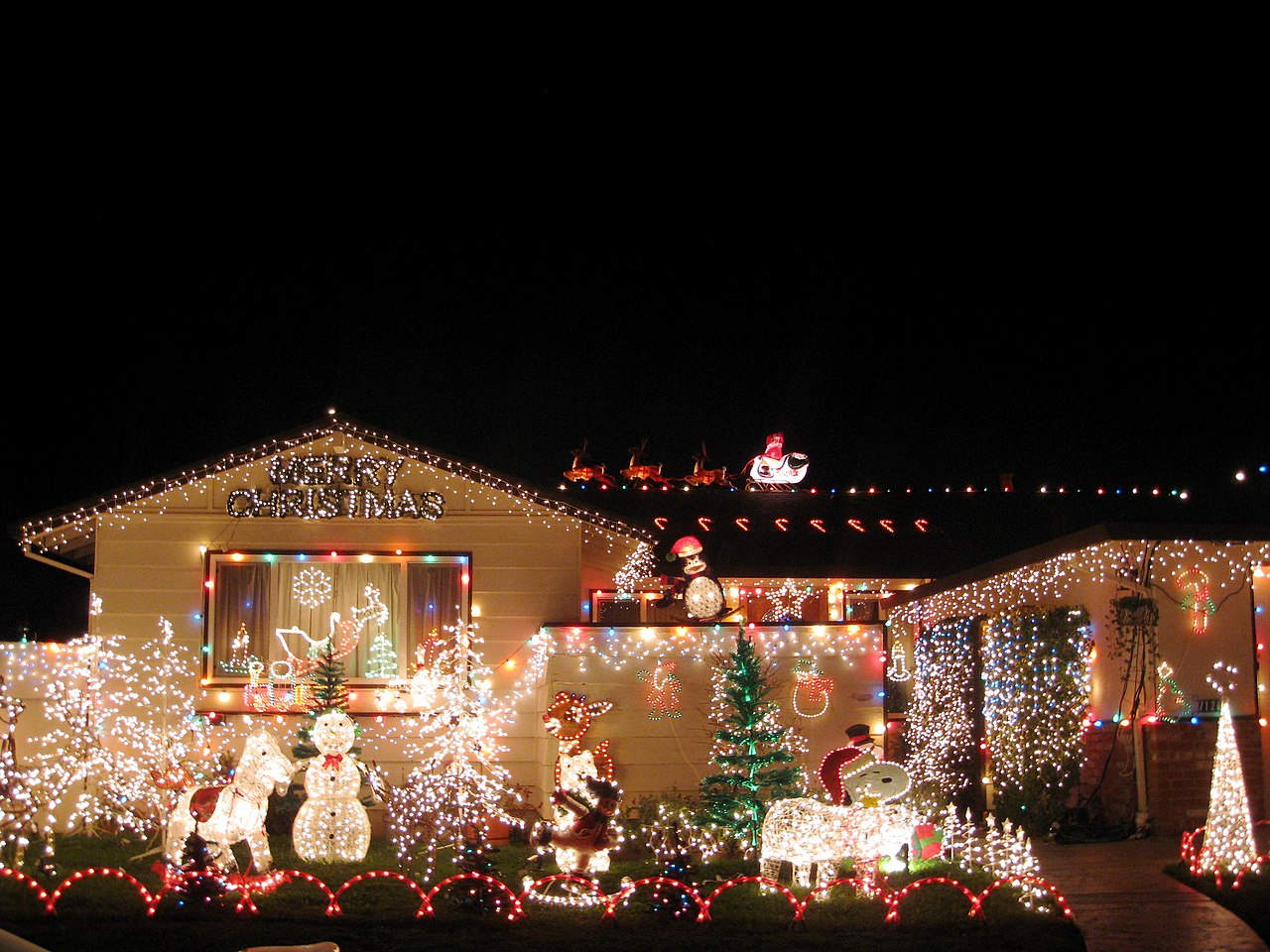
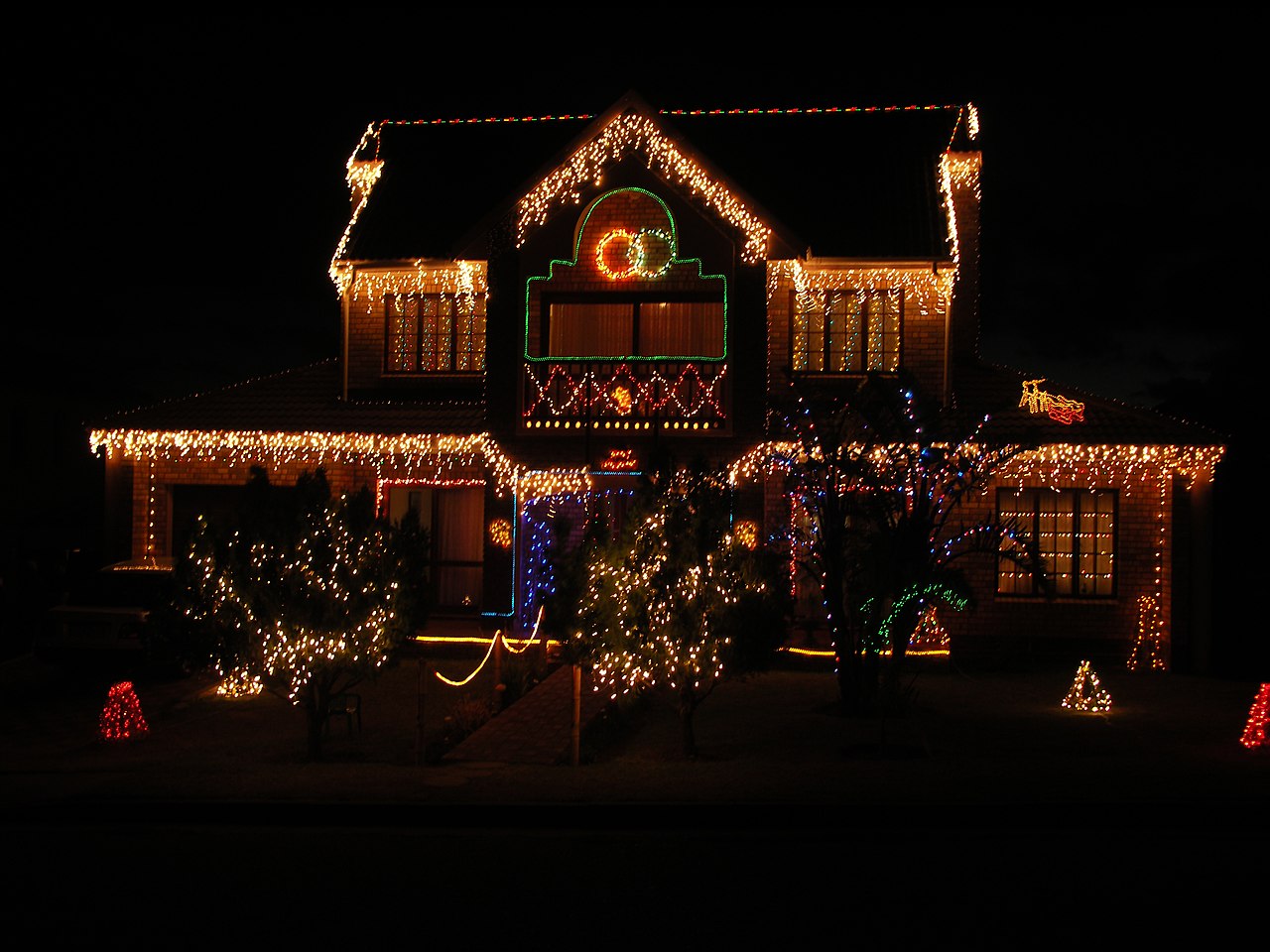
Typical decorations include lighting, greenery, figurines and symbolic ornaments. Lighting is among the most visible elements, used on trees, eaves and streets; strands of lights and illuminated figures are widely used as both indoor and outdoor décor (lights). A central feature in many households is the decorated tree (Christmas tree), often an evergreen (evergreen) conifer or an artificial substitute.
- Greenery and wreaths made from holly (holly), ivy and other foliage.
- Seasonal flowering plants such as red amaryllis and the Christmas cactus.
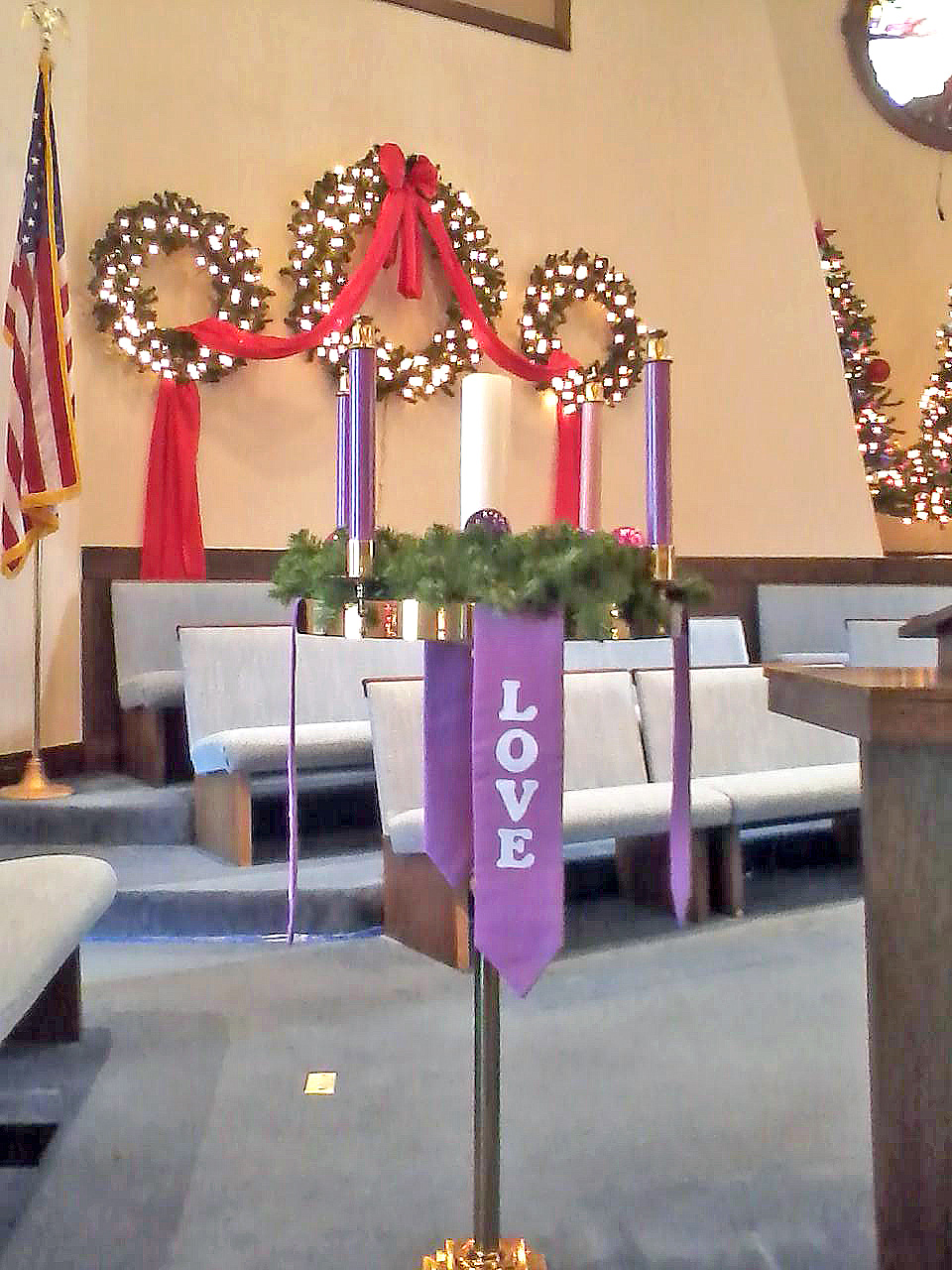
- Hanging traditions like mistletoe (mistletoe) and advent wreaths.
- Figurines and scenes including nativity figures (representing baby Jesus), Santa Claus (Santa), and the star of Bethlehem (star).
Colours, symbols and seasonal motifs
Colour palettes and symbols play a strong role. Traditional colours are green, red and white — green from evergreens, white suggesting snow (snow), and red associated with holly berries and religious symbolism. Metallics such as gold and silver are often used for ornaments and tinsel. Winter imagery like snowflakes and snowmen appear alongside explicitly religious or secular icons, reflecting both seasonal and cultural influences (winter symbols).
History and cultural variation
Decorative practices have evolved over centuries, blending pre-Christian winter customs, Christian liturgical observance and later commercial and folk traditions. Different cultures emphasize distinct elements: some prioritize nativity scenes and candlelight, others brightly lit street displays and animated Santas. Local craft traditions, climate and available materials shape regional styles; for example, evergreen wreaths and candle-lit windows are more common in temperate regions, while other areas adapt motifs to local flora and community tastes (cultural variations).
Uses, display contexts and contemporary trends
Decorations are used to mark family rituals, create communal atmosphere, attract shoppers and express cultural identity. Public displays—hung from street lamps or in town squares—can become focal events, while private decorations often reflect personal or religious priorities. In recent decades, trends include energy-efficient LEDs, DIY and handcrafted ornaments, and growing interest in sustainable materials and reduced waste. These shifts respond to environmental concerns and changing tastes, but the basic functions—celebration, remembrance and shared aesthetics—remain constant.
Notable distinctions and practical considerations
When choosing decorations people balance tradition, safety and longevity. Indoor items may prioritize tradition and sentiment, while outdoor installations emphasize weather resistance and visibility. Some communities regulate large public displays for safety and environmental impact. Whether simple greenery, elaborate tableaux or modern light shows, Christmas decorations form an adaptable visual language that communicates history, belief and seasonal joy.
More on the holiday · About Christmas · Cultural styles · Lighting types · Holly · Mistletoe · Christmas trees · Evergreen traditions · Snow motifs · Gold and metal ornaments · Silver and tinsel · Nativity figures · Santa imagery · Star symbolism · Winter icons · Snowman motifs
Questions and answers
Q: What is a Christmas decoration?
A: A Christmas decoration is any type of decoration used for the holiday of Christmas.
Q: What types of decorations are used for Christmas?
A: Different types of decorations are used depending on the traditions of each culture.
Q: Where are Christmas decorations often displayed?
A: Christmas decorations are often displayed both inside and outside homes, as well as in public areas such as streetlights and community spaces.
Q: What are some popular holiday plants used for Christmas decorations?
A: Some popular holiday plants used for Christmas decorations include holly, mistletoe, ivy, red amaryllis, and Christmas cactus.
Q: What is usually added to Christmas trees as decorations?
A: Christmas trees are usually decorated with ornaments.
Q: What are the traditional colors of Christmas?
A: The traditional colors of Christmas are green (evergreen), white (snow), and red.
Q: What are some typical symbols used for Christmas decorations?
A: Typical symbols used for Christmas decorations include baby Jesus, Santa Claus, and the star of Bethlehem. Symbols of winter such as snowflakes and snowmen are also commonly used.
Related articles
Author
AlegsaOnline.com Christmas decoration: types, history, symbols and modern practice Leandro Alegsa
URL: https://en.alegsaonline.com/art/20150