
Children's Day (Japan)
A national holiday on May 5 celebrating children’s health, happiness, and individuality. Known for carp streamers, samurai dolls, traditional foods and ties to older seasonal festivals.
Overview
Children's Day in Japan is observed on May 5 and is a national holiday established after World War II. It honors the well‑being and growth of children and encourages respect for their individual personalities. The day falls within Golden Week, a cluster of public holidays in late April and early May.
Image gallery
10 Images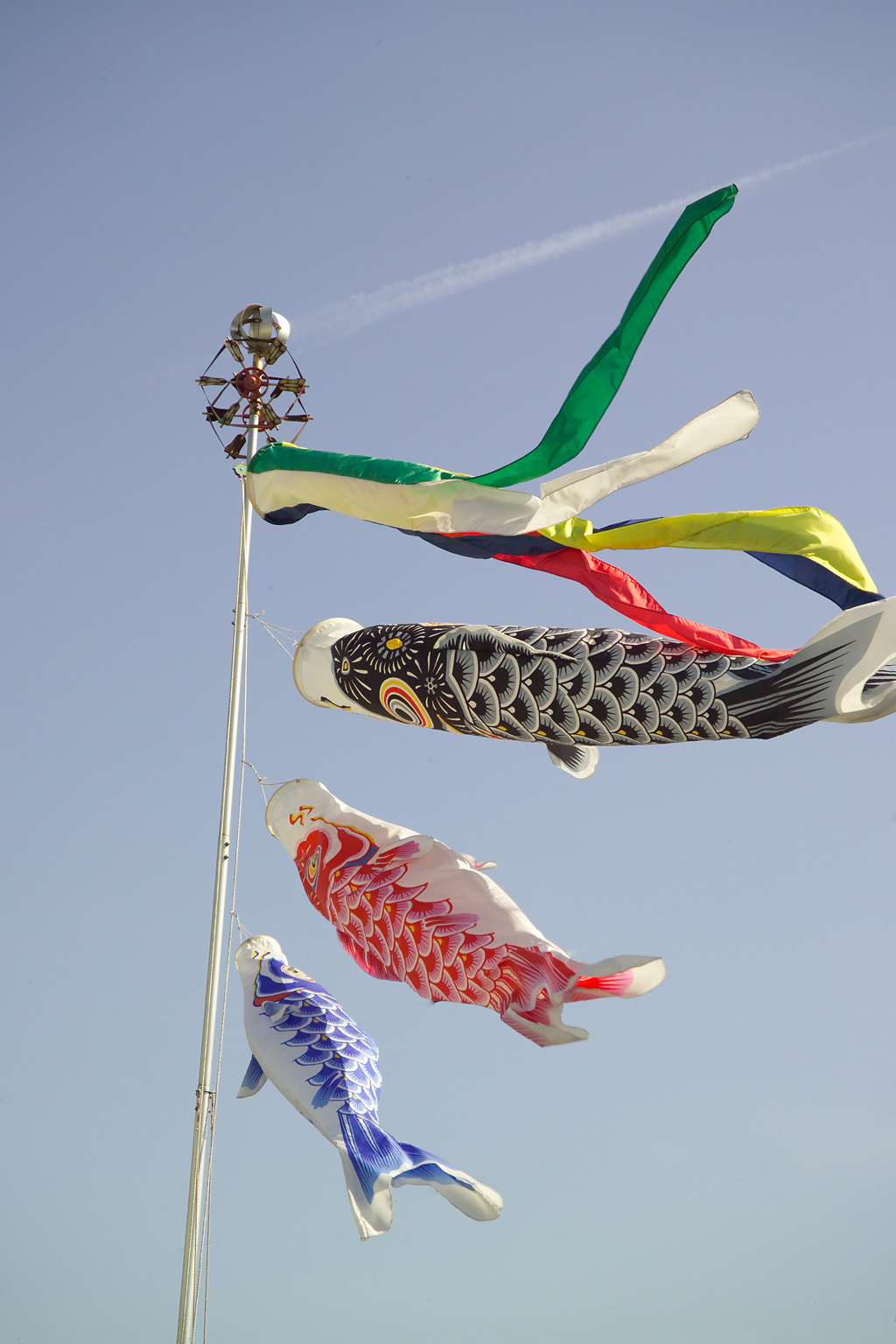




Origins and development
The festival traces back to ancient seasonal observances known as the five seasonal festivals (gosekku), which came to Japan from East Asia. One of these, Tango no Sekku, was held in the fifth month and over centuries took on meanings connected with boys, warrior customs and household rites. After 1948, the government renamed the holiday to Kodomo no Hi (Children's Day) to include all children and to emphasize their rights and happiness rather than a gendered celebration.
Common customs and symbols
- Koinobori — brightly colored carp-shaped windsocks flown outside homes to symbolize strength and perseverance.
- Gogatsu ningyō — display of samurai dolls, helmets (kabuto) and other martial-themed ornaments representing protection and courage.
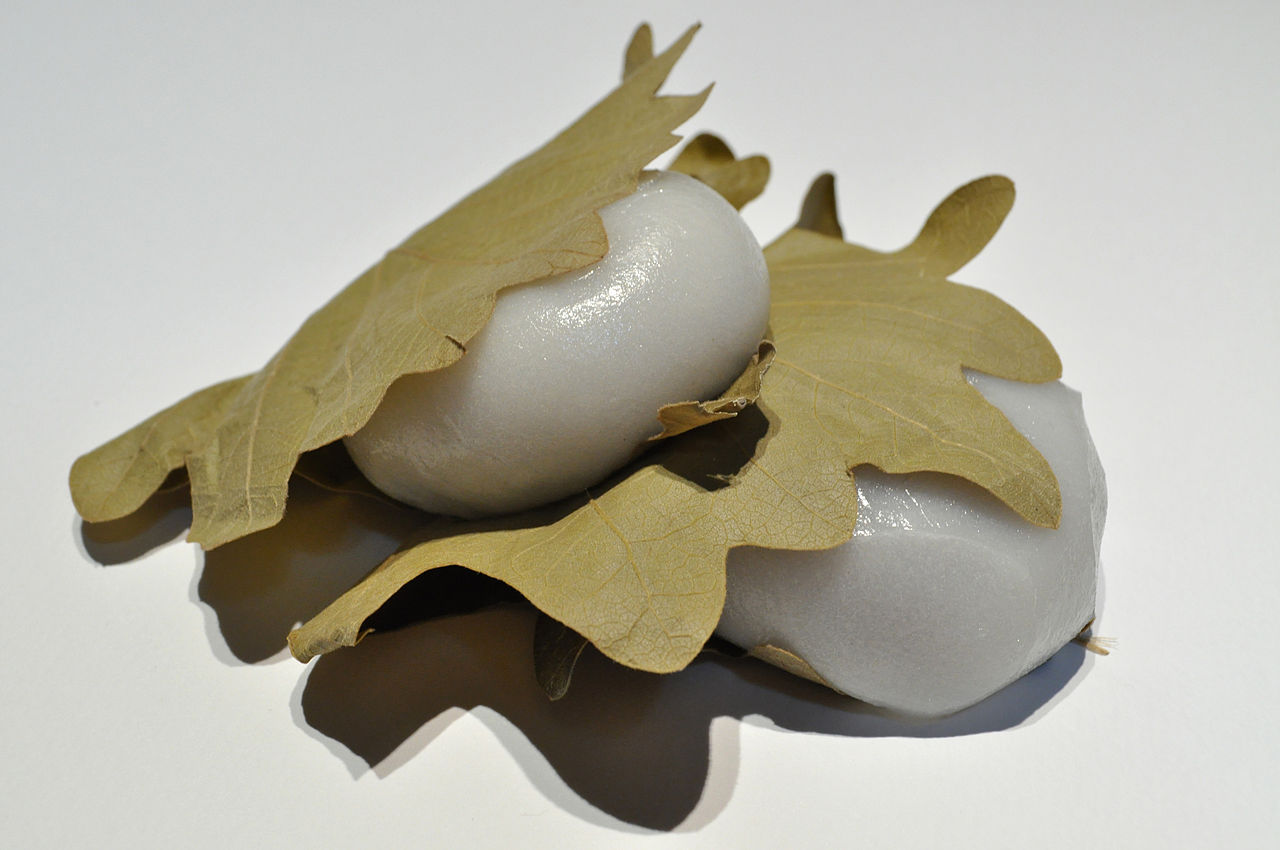
- Traditional foods — such as kashiwa mochi (oak-wrapped rice cakes) and chimaki (wrapped rice dumplings), associated with seasonal taste and good fortune.
- Iris rituals — use of iris leaves or baths said to ward off illness and bring vitality.
Meaning and modern practice
Many of the festival’s motifs—carp, helmets, irises—carry symbolic weight: the carp for persistence, the kabuto for protection, and the oak leaves for family continuity. Today the holiday is celebrated both at home and in public spaces: communities hold events, museums present exhibits, and schools often teach the holiday’s traditions. Commercial and creative variations have also emerged, making the day visible in contemporary culture.
Distinctions and notable facts
Children's Day is distinct from Hinamatsuri (Girl’s Day) on March 3, which centers on female children and ornamental doll displays. The postwar renaming transformed a once male-focused festival into an inclusive celebration for all children, reflecting broader social emphasis on child welfare and rights in modern Japan.
Related articles
Author
AlegsaOnline.com Children's Day (Japan) Leandro Alegsa
URL: https://en.alegsaonline.com/art/19669
Sources
- books.google.com : "Koi-nobori"
- ginkoya.com : Boy's Day
- web-japan.org : Children's Day
- ginkoya.com : Girl's Day
- janmstore.com : "Koinobori: Celebrating the Spirit of Boys Day"