
Campervan — Self-contained vans for travel and accommodation
Campervans are road vehicles adapted to provide transport and living space. This article explains types, common fittings, history, uses, and key legal and practical distinctions.
Overview
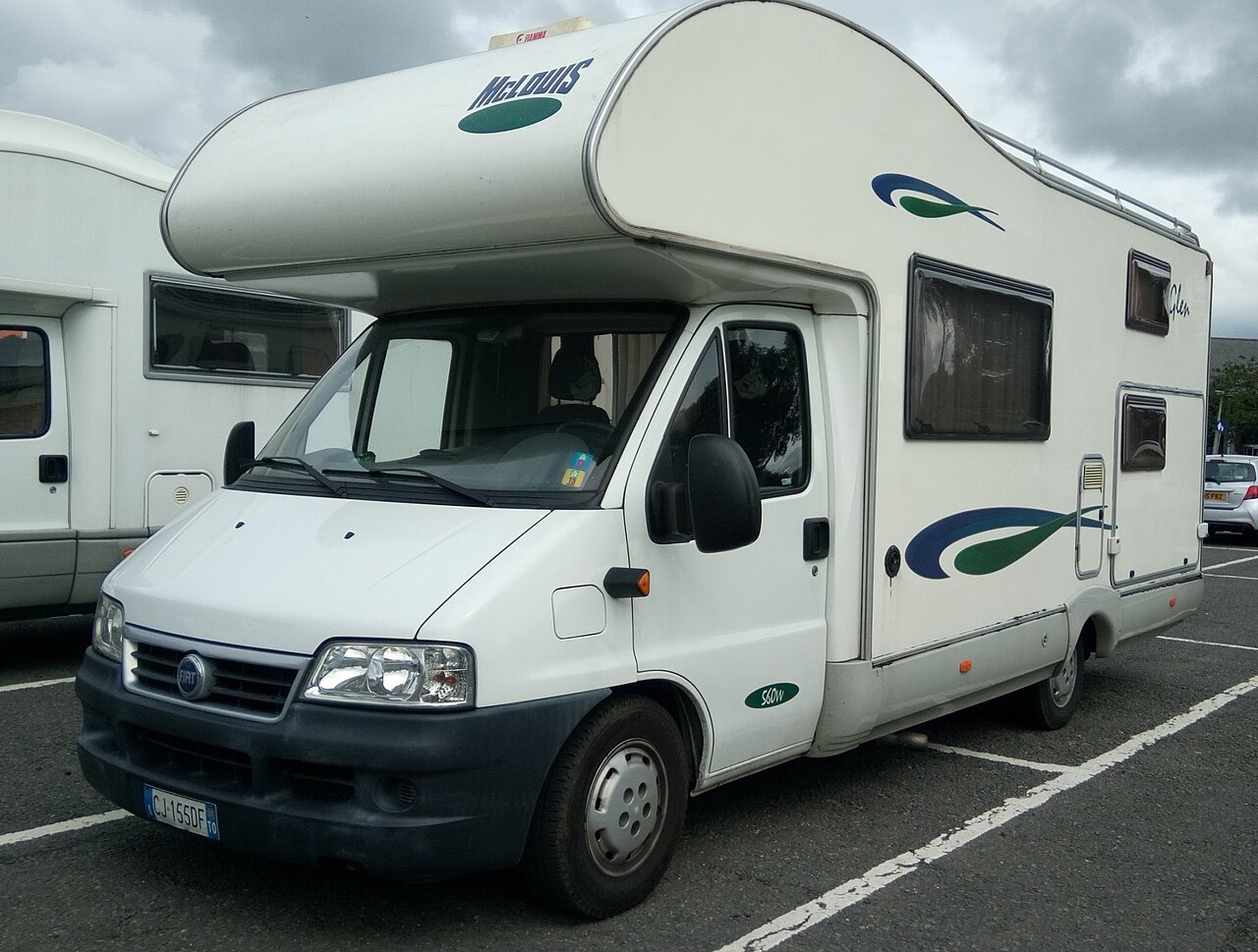
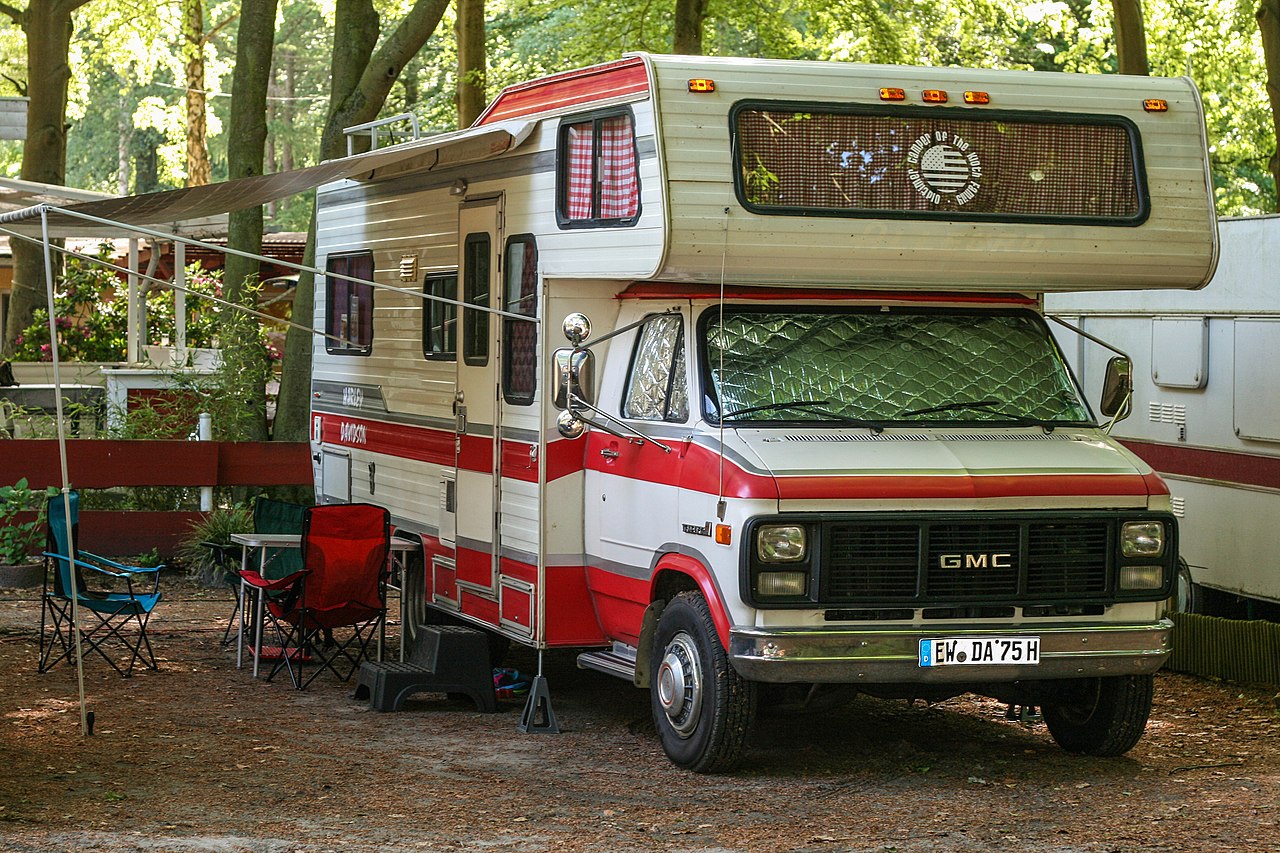
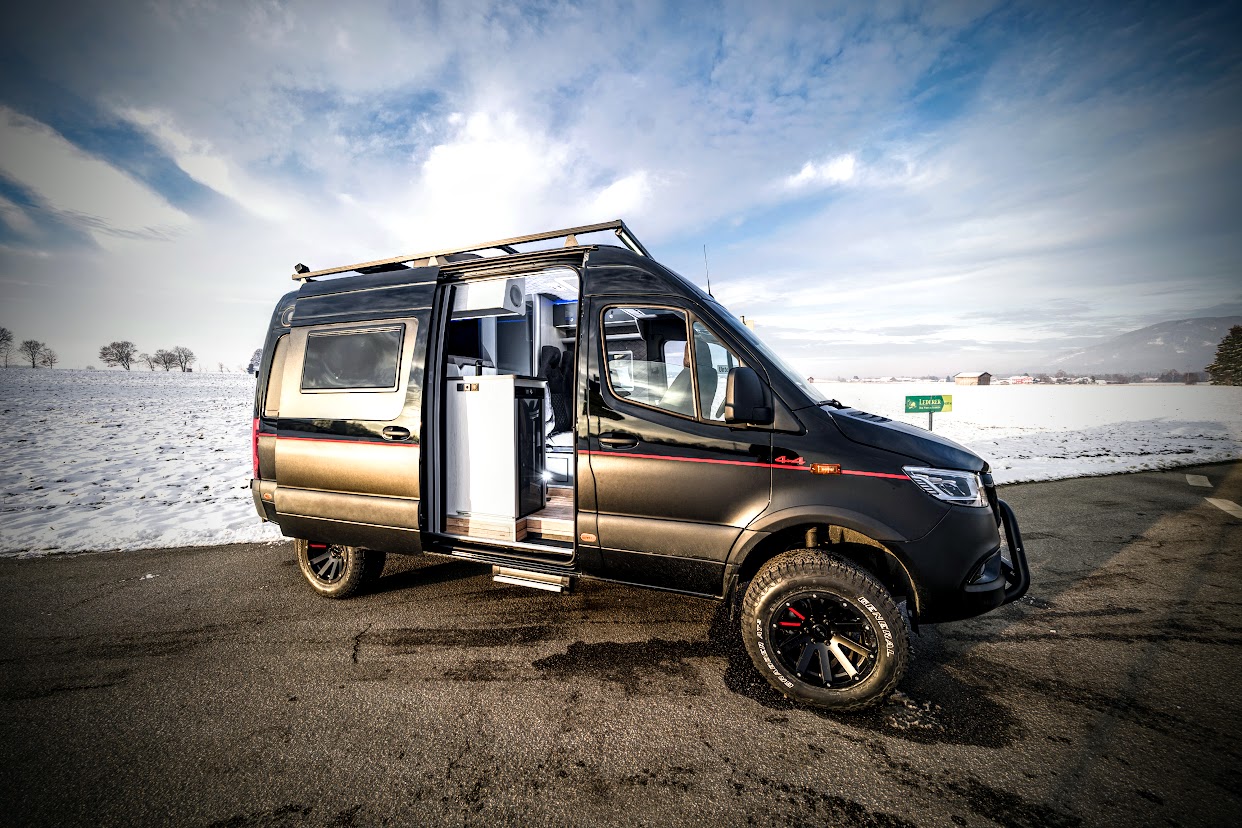
A campervan is a self-propelled vehicle that combines road transport with sleeping and basic living accommodation. Typically based on commercial vans, campervans range from simple conversions with a mattress and storage to fully fitted vehicles that include cooking, washing and entertainment facilities. Conventions and sizes differ by market: in the United States larger motorhomes are common, while in Europe compact van-based conversions are popular for their maneuverability and fuel efficiency.
Image gallery
10 Images


Design and common equipment
Although designs vary, most campervans share several characteristic elements and systems. Typical interior components include seating that converts to a bed, compact kitchens, and storage solutions. Many campervans also install domestic conveniences such as a small refrigerator, a sink and sometimes a hot-water shower. Entertainment systems such as televisions or radios are optional and often modular.
- Sleeping: fixed or fold-away beds and insulated walls.
- Cooking: portable stoves or built-in hob, sink, and a water tank.
- Power: 12 V leisure batteries, shore power hookup, and increasingly solar panels.
- Sanitation: portable toilets, cassette toilets, or small onboard showers.
History and development
Campervans evolved from early 20th-century touring and motorcaravan experiments into a distinct sector of recreational vehicles. Post-war popularity of compact vans and iconic models from European manufacturers encouraged DIY conversions and factory-built campervans. Over time, better insulation, integrated utilities and purpose-built interiors transformed them from improvised sleeping vans into comfortable small homes on wheels.
Uses, culture and examples
People use campervans for weekend breaks, long road trips, and as a lifestyle choice in the "van life" movement that emphasizes mobility and minimalism. They are common rentals for vacationers, practical bases for outdoor sports, and a popular solution for remote or seasonal work that requires travel. Manufacturers and independent converters offer a wide spectrum of options from minimalist off-grid vans to luxury coachbuilt models.
Types, legal distinctions and practical considerations
Campervans are often classified by size and conversion type: small panel-van conversions, pop-top models with elevating roofs, coachbuilt units with fixed living modules, and larger motorhomes. Legal rules vary: licensing, vehicle classification, and weight restrictions affect where and how a campervan can be driven and parked. Prospective owners should consider fuel economy, maintenance of the base vehicle, insurance conditions, and local regulations governing overnight stays.
Notable facts and advice
Modern campervans balance comfort and compactness. When choosing or converting a van, prioritize insulation, ventilation, secure storage, and adequate power for lights and appliances. For sustainable travel, many owners add solar charging and efficient heating. Whether for occasional trips or full-time living, campervans provide a flexible way to combine mobility with a private living space.
Further reading and resources: see manufacturer guides, conversion manuals and regional campervan associations for detailed specifications and legal guidance. For more technical or regional information consult specialist sites via the links above and dedicated conversion communities.
Transport | Vans | United States | Europe | Refrigerator | Televisions
Tags
Related articles
Author
AlegsaOnline.com Campervan — Self-contained vans for travel and accommodation Leandro Alegsa
URL: https://en.alegsaonline.com/art/16387